
Introduction
Modern agriculture often relies on commercially manufactured fertilizers and plant supplements to encourage growth. Korean Natural Farming (KNF) takes a fundamentally different approach. Instead of purchasing bottled nutrients, it encourages farmers to work with naturally occurring microorganisms and plant compounds already present in the local environment.
Developed in South Korea during the 1960s by agricultural educator Dr. Cho Han Kyu, Korean Natural Farming combines traditional agricultural knowledge with careful observation of natural ecosystems. Today, it is practiced by home gardeners, market growers, and commercial farms across every inhabited continent, particularly by growers seeking lower-input and biologically active production systems.
Among the best-known techniques in Korean Natural Farming is Fermented Plant Juice (FPJ). Made by fermenting vigorously growing plant material with sugar, FPJ is designed to capture water-soluble plant compounds produced during periods of rapid growth. When prepared correctly and used appropriately, it becomes one of several inputs that KNF practitioners use as part of a broader biological farming system.
Although FPJ has gained popularity among organic gardeners, it is important to understand both its potential benefits and its limitations. It should be viewed as a supplemental biological input rather than a replacement for healthy soil, compost, or balanced plant nutrition.
What Is Korean Natural Farming?
Korean Natural Farming is a low-input agricultural philosophy that emphasizes working with natural biological processes instead of relying heavily on synthetic fertilizers and pesticides.
Its core principles include:
- Encouraging beneficial microorganisms.
- Recycling local natural materials.
- Building healthy soil biology.
- Reducing production costs.
- Improving long-term soil fertility.
- Supporting resilient plant growth.
Rather than treating plants as isolated organisms, KNF views the soil, microorganisms, plants, insects, and surrounding environment as an interconnected living system.
What Is Fermented Plant Juice (FPJ)?
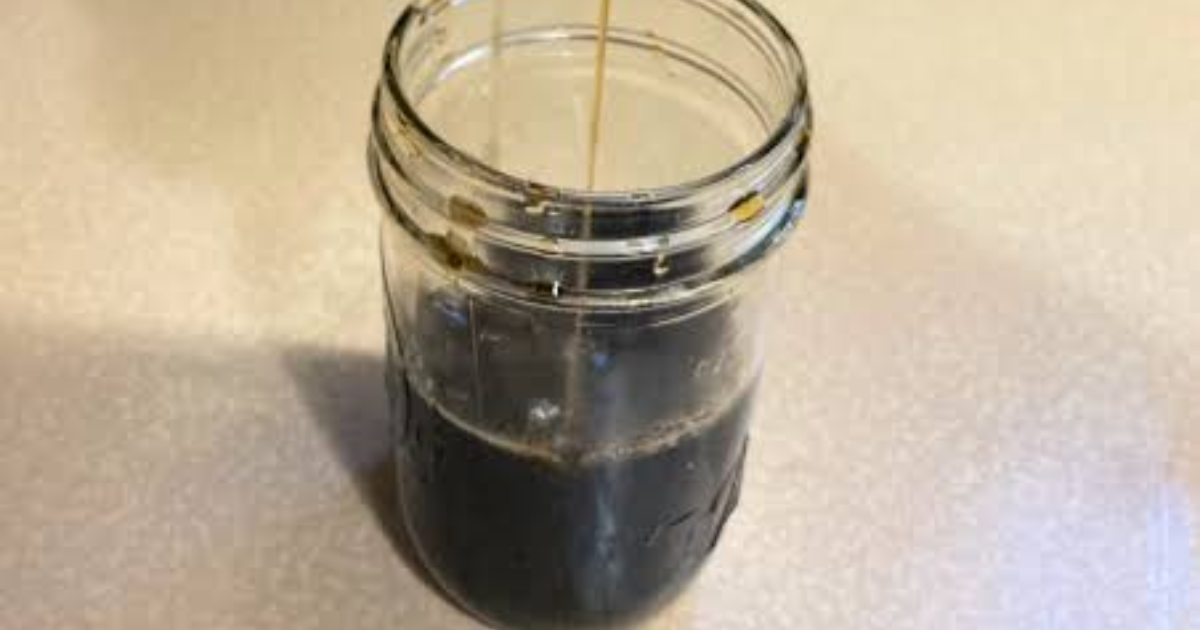
Fermented Plant Juice is a liquid produced by combining freshly harvested plant material with brown sugar, allowing natural fermentation to extract soluble compounds from the plant tissues.
Unlike compost tea, FPJ is not primarily intended to culture microorganisms.
Instead, the sugar draws moisture from the plant cells through osmosis, creating a concentrated liquid that contains naturally occurring plant compounds dissolved in the extracted sap.
The finished liquid is then diluted heavily before application.
Why Sugar Is Used
Brown sugar plays several important roles.
It helps:
- Draw plant sap from the tissues.
- Preserve the extracted liquid.
- Support naturally occurring fermentation.
- Reduce spoilage during preparation.
Brown sugar is traditionally preferred because it is less refined than white sugar and contains small amounts of minerals, although both can create the osmotic effect needed for extraction.
Choosing the Right Plants
In Korean Natural Farming, plant selection is intentional.
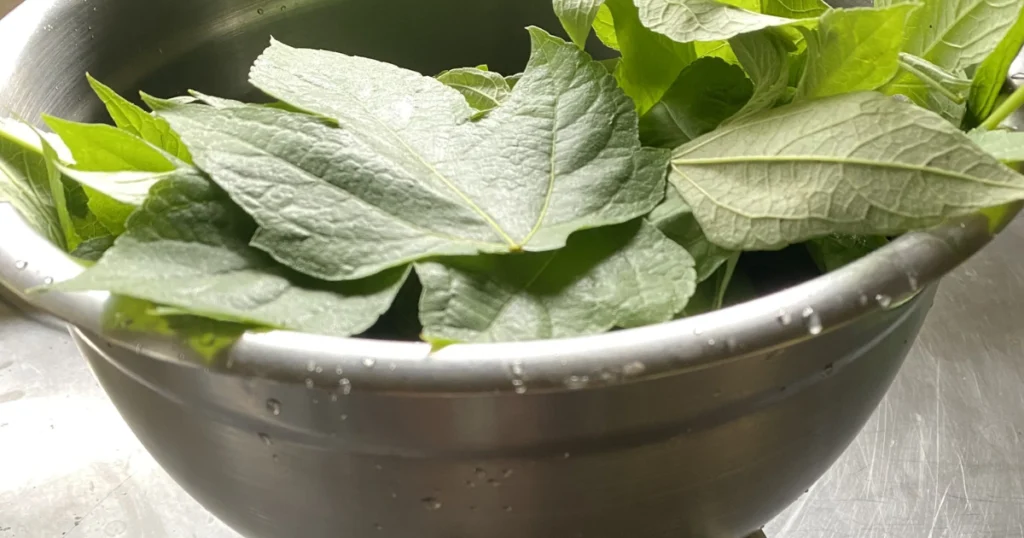
Growers typically harvest plants during periods of vigorous growth, when tissues are actively producing sugars, enzymes, amino acids, and other metabolites.
Common choices include:
- Young grasses.
- Mugwort.
- Comfrey.
- Sweet potato vines.
- Pumpkin shoots.
- Bamboo shoots.
- Nettles.
- Fast-growing local weeds.
Different plants may be selected depending on local availability and the intended stage of crop growth.
KNF emphasizes using healthy, pesticide-free plants collected from clean environments.
How FPJ Is Made
Although individual recipes vary slightly, the traditional process generally follows these steps:
- Harvest fresh, actively growing plant material.
- Chop it into small pieces.
- Mix with approximately an equal weight of brown sugar.
- Place the mixture into a clean container without tightly compacting it.
- Cover with breathable cloth or paper to allow gas exchange while excluding insects.
- Leave to ferment in a cool, shaded location for several days.
- Strain the liquid and store it in a clean container.
The exact fermentation time varies with temperature and environmental conditions.
What Happens During Fermentation?
Several biological processes occur simultaneously.
The sugar draws moisture from plant cells through osmosis.
Naturally occurring microorganisms present on the plant surfaces begin fermenting available sugars.
The extracted liquid becomes rich in water-soluble compounds originating from the plant tissues.
Unlike decomposition, successful FPJ fermentation should produce a pleasant sweet or fruity aroma rather than a foul odor.
How Is FPJ Used?
Fermented Plant Juice is almost never applied directly.
Instead, it is heavily diluted with water before use.
Common application methods include:
- Soil drenches.
- Foliar sprays.
- Irrigation systems.
Application rates vary among KNF practitioners, and growers generally follow established Korean Natural Farming guidelines for dilution.
Overly concentrated applications may stress plants rather than benefit them.
What Does FPJ Actually Provide?
One of the biggest misconceptions surrounding FPJ is that it functions like a conventional fertilizer.
It does not supply large quantities of nitrogen, phosphorus, or potassium comparable to commercial fertilizers.
Instead, FPJ contains relatively small amounts of dissolved plant-derived compounds, including:
- Sugars.
- Organic acids.
- Amino acids.
- Naturally occurring enzymes.
- Various plant metabolites.
The exact composition depends entirely on the plant species used, growing conditions, harvest timing, and fermentation process.
Because these variables differ widely, FPJ cannot be considered a standardized fertilizer.
Scientific Research on FPJ
Scientific interest in Korean Natural Farming has increased over the past two decades.
Some studies suggest that biological farming systems incorporating fermented plant extracts, composts, and microbial inoculants may support healthy plant growth under certain conditions.
However, it is often difficult to isolate the effects of FPJ alone because Korean Natural Farming uses multiple biological inputs together.
Researchers generally agree that:
- Healthy soil remains the foundation of productive agriculture.
- Organic matter and soil biology are critical for long-term fertility.
- More research is needed to fully understand the individual contributions of specific KNF preparations.
Gardeners should therefore view FPJ as one possible component of a broader soil-health strategy rather than a guaranteed growth enhancer.
Benefits Reported by Growers
Many experienced KNF practitioners report that FPJ may help support:
- Active vegetative growth.
- Healthy leaf development.
- Recovery after transplanting.
- Overall plant vigor.
- Biological farming systems.
These observations are largely based on practical farming experience, though responses vary depending on crop, climate, soil, and overall management.
FPJ Is Only One Part of Korean Natural Farming
Fermented Plant Juice receives significant attention online, but it represents only one preparation within the larger KNF system.
Other commonly used inputs include:
- Indigenous Microorganisms (IMO).
- Fermented Fruit Juice (FFJ).
- Fish Amino Acid (FAA).
- Water-Soluble Calcium (WCA).
- Water-Soluble Calcium Phosphate (WCP).
- Oriental Herbal Nutrient (OHN).
- Lactic Acid Bacteria Serum (LAB).
Each preparation serves a different purpose within the farming system.
Common Misconceptions
FPJ Is a Miracle Fertilizer
FPJ is not a substitute for balanced plant nutrition.
Healthy soil, compost, and appropriate fertilization remain essential.
Any Plant Can Be Used
Although many plants are suitable, KNF traditionally favors vigorous, healthy species harvested at specific growth stages.
Stronger Is Better
Applying overly concentrated FPJ does not necessarily improve plant growth and may increase plant stress.
Always follow recommended dilution rates.
Fermentation Means Rotting
Successful fermentation differs from decay.
Properly prepared FPJ should smell pleasantly sweet or mildly fermented—not putrid.
Practical Tips
- Harvest plants early in the morning when they are fresh.
- Use clean containers throughout the process.
- Choose healthy, pesticide-free plant material.
- Store finished FPJ in a cool, dark location.
- Label containers with preparation dates.
- Always dilute before application.
- Continue building soil with compost and organic matter alongside FPJ.
Common Mistakes
Using Diseased Plants
Only vigorous, healthy plant material should be used.
Sealing Containers Airtight
Fermentation produces gases that require ventilation.
Allowing Water into the Mixture
Excess moisture may encourage undesirable microbial growth.
Expecting Immediate Results
FPJ is intended to support biological growing systems rather than produce dramatic overnight changes.
Frequently Asked Questions
What is Fermented Plant Juice?
Fermented Plant Juice is a Korean Natural Farming preparation made by extracting plant sap through fermentation with brown sugar.
Is FPJ a fertilizer?
Not in the conventional sense. It contains relatively small amounts of plant-derived compounds and is generally used as a supplemental biological input rather than a primary nutrient source.
Which plants are best for making FPJ?
Fast-growing, healthy plants such as comfrey, nettles, mugwort, grasses, and other vigorous local species are commonly used.
Can FPJ replace compost?
No. Compost remains one of the most important sources of long-term soil organic matter and fertility.
Is Korean Natural Farming organic?
Many KNF practices align well with organic principles, but certification depends on local organic standards and regulations rather than the farming method alone.
Conclusion
Fermented Plant Juice illustrates one of the central ideas behind Korean Natural Farming: healthy plants begin with healthy biological systems rather than simply adding more fertilizer. By capturing naturally occurring plant compounds through a simple fermentation process, FPJ offers gardeners and farmers another tool for supporting plant growth while working in harmony with natural processes.
At the same time, it is important to view FPJ realistically. It is not a miracle product or a replacement for fertile soil, compost, and sound horticultural practices. Used as part of a balanced Korean Natural Farming approach, however, it represents a fascinating blend of traditional agricultural knowledge and modern interest in sustainable, biologically based gardening.
Internal Linking
Learn why healthy soil is the foundation of every productive garden:
https://secretsofthegreengarden.com/why-not-leave-bare-soil-winter/
Discover why late-summer feeding requires a different approach:
https://secretsofthegreengarden.com/august-garden-feeding/
See how ancient olla irrigation conserves water naturally:
https://secretsofthegreengarden.com/olla-irrigation-clay-pot-watering/
Learn how to propagate healthy plants from cuttings:
https://secretsofthegreengarden.com/propagation-from-cuttings/
Recommended External Sources
- Food and Agriculture Organization of the United Nations (FAO): https://www.fao.org
- Rural Development Administration (Republic of Korea): https://www.rda.go.kr
- Sustainable Agriculture Research and Education (SARE): https://www.sare.org