
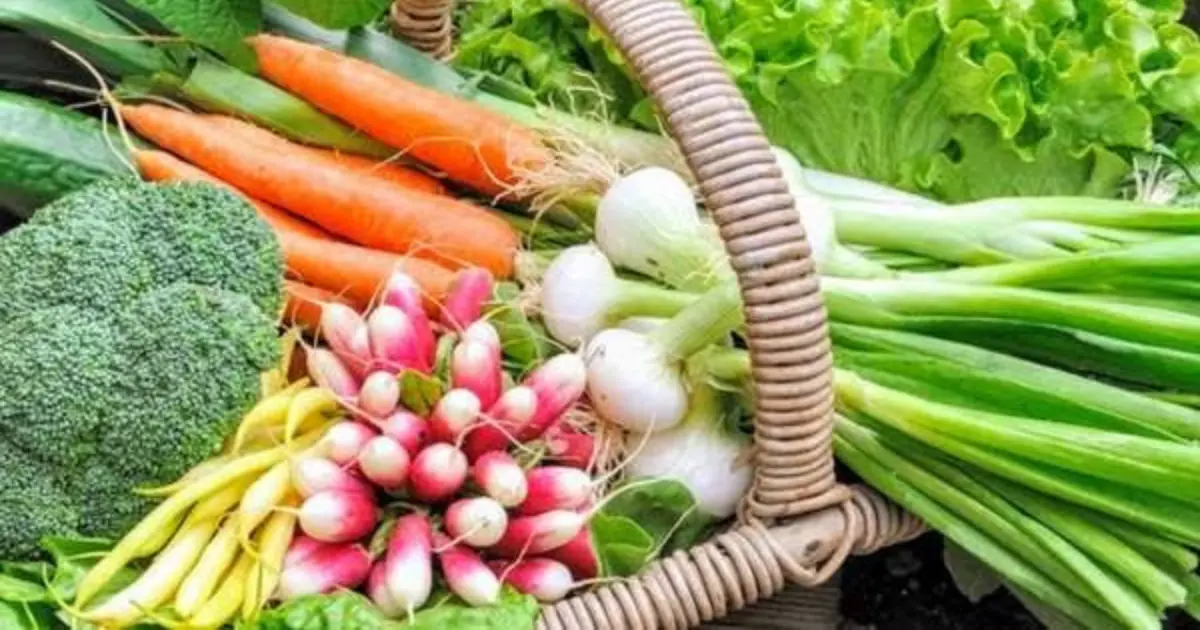
Many gardeners believe vegetables need full sun to produce a good harvest. While crops like tomatoes, peppers, and corn thrive with six or more hours of direct sunlight, several vegetables actually perform very well in partial shade. In fact, some leafy greens benefit from cooler conditions, producing tender leaves and remaining productive longer during warm weather.
If your garden receives only a few hours of sunlight each day, you can still enjoy a productive harvest by choosing the right crops.
Can Vegetables Grow in Shade?
Yes. While no vegetable grows in complete darkness, many leafy vegetables and herbs thrive with 2 to 5 hours of direct sunlight or bright filtered light throughout the day.
Shade-tolerant vegetables often:
- Produce fewer signs of heat stress.
- Bolt more slowly.
- Develop tender leaves.
- Require less frequent watering.
- Continue producing during hot summers.
Understanding which crops tolerate shade helps you make the most of every corner of your garden.
1. Swiss Chard
Swiss chard is one of the most adaptable leafy vegetables for partially shaded gardens.
Light Requirements
- About 4 hours of direct sunlight daily.
Why It Performs Well
Swiss chard tolerates shade better than many vegetables while continuing to produce colorful, nutritious leaves throughout the growing season.
Growing Tips
- Harvest outer leaves regularly.
- Keep the soil consistently moist.
- Apply compost before planting.
2. Kale
Kale is a cool-season vegetable that often benefits from reduced afternoon sun.
Light Requirements
- 3 to 5 hours of sunlight.
Why It Performs Well
Partial shade can help reduce heat stress and slow bolting, especially during late spring and summer.
Growing Tips
- Pick older leaves first.
- Water deeply during dry periods.
- Mulch to keep roots cool.
3. Parsley
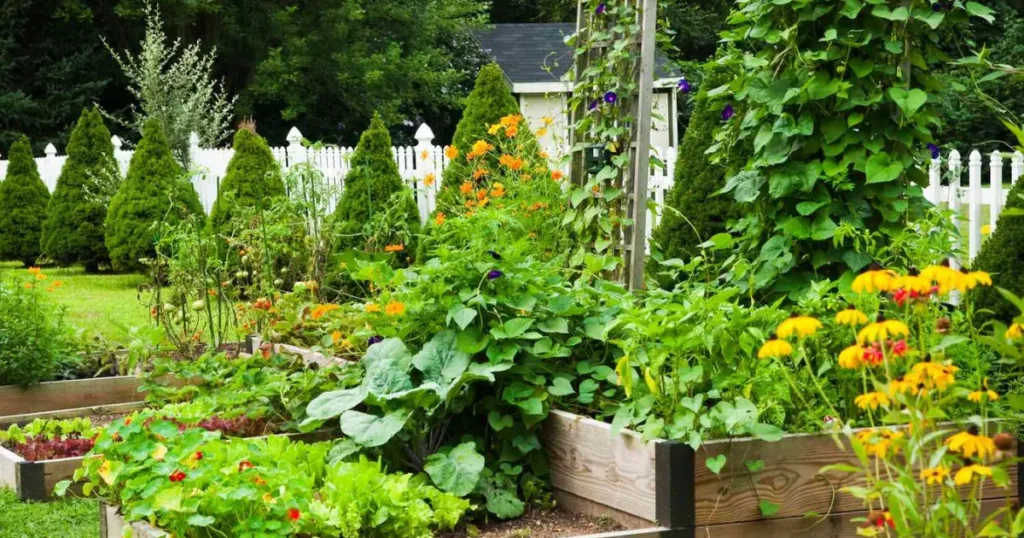
Although commonly grown as an herb, parsley also performs well in partially shaded gardens.
Light Requirements
- 3 to 4 hours of sunlight.
Why It Performs Well
Growth may be slightly slower than in full sun, but the leaves remain tender and flavorful.
Growing Tips
- Harvest outer stems regularly.
- Keep the soil evenly moist.
- Feed occasionally with compost.
4. Chives
Chives are reliable perennial herbs that adapt well to a wide range of growing conditions.
Light Requirements
- Around 3 to 4 hours of sunlight.
Why They Perform Well
Even with partial shade, chives continue producing fresh leaves throughout much of the growing season.
Growing Tips
- Cut leaves about 2 inches above the soil.
- Divide mature clumps every few years.
- Remove flower stalks if leaf production slows.
5. Spinach
Spinach is one of the best vegetables for cooler, shaded areas.
Light Requirements
- 3 to 4 hours of sunlight.
Why It Performs Well
Shade helps delay bolting, allowing spinach to remain productive longer as temperatures rise.
Growing Tips
- Harvest young leaves frequently.
- Water consistently.
- Grow during spring and fall for best results.
6. Arugula
Arugula develops a milder flavor when grown with some afternoon shade.
Light Requirements
- 2 to 3 hours of sunlight.
Why It Performs Well
Reduced heat slows flowering and helps prevent the leaves from becoming overly spicy or bitter.
Growing Tips
- Sow seeds every few weeks for continuous harvests.
- Harvest leaves while young.
- Keep the soil evenly moist.
7. Lettuce
Lettuce is one of the most rewarding vegetables for shaded gardens.
Light Requirements
- 2 to 4 hours of sunlight.
Why It Performs Well
Partial shade protects lettuce from intense summer heat and helps prevent premature bolting.
Growing Tips
- Harvest outer leaves as needed.
- Mulch around plants to conserve moisture.
- Succession plant every two to three weeks for continuous harvests.
Bonus: Mint
Although technically an herb rather than a vegetable, mint thrives in partial shade and grows vigorously.
Light Requirements
- 2 to 4 hours of sunlight.
Growing Tips
Because mint spreads rapidly, grow it in a container to prevent it from taking over nearby planting areas.
Tips for Growing Vegetables in Shade
Even shade-tolerant crops need proper care to perform well.
For the best results:
- Choose areas that receive morning sunlight whenever possible.
- Improve soil with compost before planting.
- Water consistently, especially during dry weather.
- Space plants properly to improve air circulation.
- Remove weeds that compete for moisture and nutrients.
Healthy soil often makes an even bigger difference than sunlight alone.
Vegetables That Usually Need Full Sun
Some vegetables require at least 6 to 8 hours of direct sunlight for strong growth and good yields.
These include:
- Tomatoes
- Peppers
- Corn
- Eggplant
- Cucumbers
- Squash
- Melons
If your garden is mostly shaded, leafy greens and herbs are generally more productive choices.
Frequently Asked Questions
How many hours of sunlight count as partial shade?
Partial shade usually means about 2 to 5 hours of direct sunlight each day or bright filtered light throughout the day.
Can lettuce grow without full sun?
Yes. Lettuce often performs better with some afternoon shade because cooler temperatures help delay bolting.
Does kale grow well in shade?
Kale grows successfully in partial shade, especially during warm weather when reduced sunlight helps prevent heat stress.
Which herb grows best in shade?
Parsley, chives, and mint are among the easiest herbs to grow in partially shaded gardens.
Will vegetables grow in complete shade?
Very few edible plants thrive in full shade. Most shade-tolerant vegetables still require at least a few hours of direct sunlight or bright indirect light each day.
Final Thoughts
Growing shade-tolerant vegetables allows gardeners to make productive use of spaces that receive limited sunlight. Crops such as lettuce, spinach, kale, Swiss chard, parsley, chives, and arugula can all produce excellent harvests with only a few hours of sun each day.
By choosing the right varieties, improving your soil, and maintaining consistent moisture, even partially shaded gardens can provide fresh, healthy vegetables throughout much of the growing season.
Internal Linking Suggestions
Consider linking this article to related content on secretsofthegreengarden.com, such as:
- How to Grow Herbs Indoors All Year Long
- The Three Sisters Garden Method: Why Corn, Beans, and Squash Still Grow Better Together
- Summer Tomato Pruning: Essential Cuts for Healthier Plants and Bigger Harvests
Recommended External Sources
For additional gardening guidance, consult:
- University of Minnesota Extension
- Royal Horticultural Society (RHS)
- USDA Natural Resources Conservation Service
Primary Keyword: shade-tolerant vegetables
Related Keywords: vegetables that grow in shade, partial shade vegetables, leafy greens, shade gardening, cool-season vegetables, growing lettuce, growing spinach, vegetable garden tips.
Meta Description: Discover seven shade-tolerant vegetables that grow well with limited sunlight, including lettuce, spinach, kale, Swiss chard, parsley, chives, and arugula, plus expert growing tips for a productive garden.