
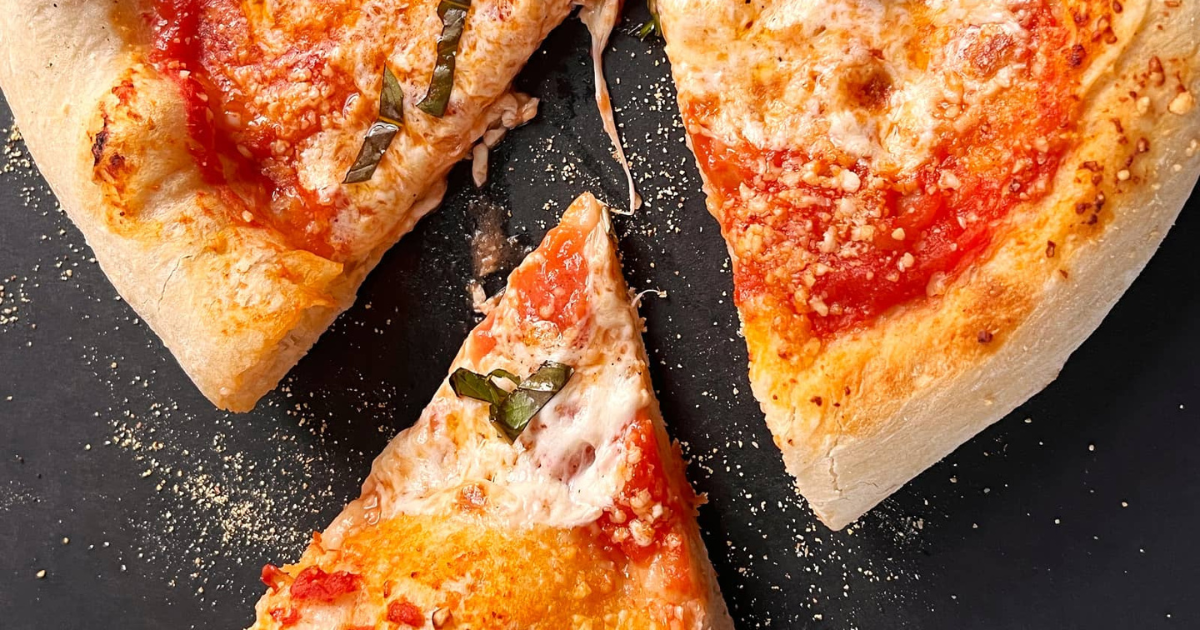
A great homemade pizza starts with great dough. The good news is that you don’t need multiple recipes to create different pizza styles. With one well-balanced dough, you can prepare a crispy thin crust, a soft and airy Neapolitan pizza, or a fluffy thick pan pizza simply by changing how you shape, proof, and bake it.
This versatile dough recipe is easy to make and perfect for beginners and experienced home bakers alike.
Why Use One Dough for Multiple Pizza Styles?
The foundation of every pizza is the dough. While hydration, fermentation, and flour type influence the final texture, baking method and shaping technique also play a major role.
Using the same dough recipe allows you to experiment with different pizza styles without preparing separate batches.
The result is a flexible recipe that works for family dinners, pizza nights, and homemade gatherings.
Pizza Dough Ingredients
Makes enough dough for 2 medium pizzas or 1 large pan pizza.
- 500 g bread flour or Tipo 00 flour
- 325 ml warm water (about 65% hydration)
- 7 g instant dry yeast
- 10 g fine salt
- 1 tablespoon extra virgin olive oil
How to Make the Dough
Step 1: Mix the Ingredients
In a large bowl, combine the flour, yeast, and warm water.
Mix until a rough dough forms.
Add the salt and olive oil, then continue mixing until everything is fully incorporated.
Step 2: Knead
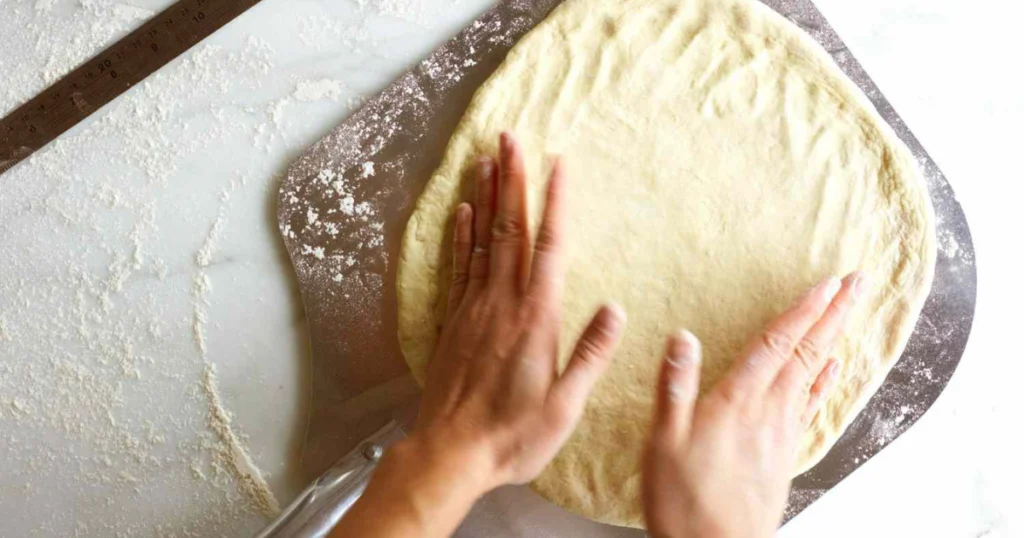
Transfer the dough to a lightly floured surface.
Knead for 8 to 10 minutes until the dough becomes smooth, elastic, and slightly tacky.
If using a stand mixer, knead on medium speed for about 6 to 8 minutes.
Step 3: First Rise
Place the dough in a lightly oiled bowl.
Cover with plastic wrap or a clean kitchen towel.
Allow it to rise for approximately 1 to 2 hours, or until doubled in size.
Step 4: Divide the Dough
After the first rise, divide the dough according to the style of pizza you plan to make.
Shape into smooth dough balls and let them rest for 20 to 30 minutes before stretching.
Option 1: Thin Crust Pizza
Thin crust pizza is known for its crisp texture and light bite.
How to Prepare
- Roll the dough very thin.
- Avoid thick edges.
- Use a light layer of sauce and toppings.
- Bake directly on a preheated pizza stone or baking steel.
Baking Temperature
Bake at 500°F (260°C) for about 7 to 9 minutes, or until the crust is golden and crisp.
Option 2: Neapolitan Pizza
Neapolitan pizza features a soft center with an airy, blistered crust.
How to Prepare
- Stretch the dough gently by hand.
- Leave a slightly thicker outer edge.
- Use minimal sauce and fresh mozzarella.
- Avoid overloading with toppings.
Baking Temperature
Bake at the highest oven temperature available, ideally 500–550°F (260–290°C), for 6 to 8 minutes on a thoroughly preheated pizza stone or steel.
Option 3: Thick Pan Pizza
Pan pizza has a soft interior, crispy bottom, and golden edges.
How to Prepare
- Generously oil a baking pan.
- Press the dough into the pan.
- Let it rise again for about 45 minutes.
- Add sauce, cheese, and toppings.
Baking Temperature
Bake at 450°F (230°C) for 18 to 22 minutes, or until the crust is deeply golden and the cheese is bubbling.
Best Toppings for Each Style
Thin Crust
- Fresh mozzarella
- Cherry tomatoes
- Basil
- Prosciutto
- Arugula
Neapolitan
- San Marzano tomato sauce
- Fresh mozzarella
- Basil
- Olive oil
- Parmesan
Thick Pan Pizza
- Pepperoni
- Italian sausage
- Mushrooms
- Bell peppers
- Onions
- Extra mozzarella
Tips for Better Pizza Dough
A few simple techniques can dramatically improve your results.
- Use bread flour or Tipo 00 flour for better gluten development.
- Measure ingredients with a kitchen scale for accuracy.
- Allow the dough to rise until doubled in size.
- Preheat your oven and pizza stone thoroughly.
- Avoid adding too many toppings, which can make the crust soggy.
- Let the dough rest before stretching to prevent shrinking.
Common Mistakes to Avoid
Many homemade pizzas fall short because of a few avoidable mistakes.
Try not to:
- Add too much flour while kneading.
- Stretch cold dough directly from the refrigerator.
- Skip the resting time.
- Underheat the oven.
- Overload the pizza with sauce or toppings.
A hot oven and properly fermented dough are key to achieving great texture.
How to Store Pizza Dough
If not using immediately, store the dough:
- In the refrigerator for up to 3 days.
- In the freezer for up to 3 months.
Frozen dough should be thawed overnight in the refrigerator before coming to room temperature for shaping.
Frequently Asked Questions
Can I use all-purpose flour instead of bread flour?
Yes. All-purpose flour works well, although bread flour usually produces a chewier crust with better structure.
What is 65% hydration?
It means the water weighs 65% as much as the flour. This hydration level creates a dough that is easy to handle while remaining soft and elastic.
Can I make the dough ahead of time?
Absolutely. Cold fermentation in the refrigerator for 24 to 72 hours can improve flavor and texture.
Why is my pizza dough shrinking?
The gluten may still be tight. Let the dough rest for 15 to 20 minutes before stretching again.
Do I need a pizza stone?
No, but a pizza stone or baking steel helps create a crispier crust by retaining and transferring heat more efficiently than a standard baking tray.
Final Thoughts
This pizza dough recipe proves that one simple dough can produce several delicious pizza styles. By adjusting how you shape, proof, and bake it, you can enjoy everything from crispy thin crust pizza to airy Neapolitan pies and thick, golden pan pizzas.
With quality ingredients, proper fermentation, and a fully preheated oven, you’ll be able to make restaurant-quality pizza at home using just one reliable dough recipe.
Internal Linking Suggestions
Consider linking this article to related content on secretsofthegreengarden.com, such as:
- Homemade Pizza Sauce Recipe
- Easy Homemade Bread Recipes
- Fresh Herbs to Grow for Homemade Pizza
Recommended External Sources
For additional baking techniques and pizza science, consult:
- King Arthur Baking
- American Society of Baking
- USDA Food Safety and Inspection Service
Primary Keyword: pizza dough recipe
Related Keywords: homemade pizza dough, Neapolitan pizza dough, thin crust pizza, pan pizza, pizza dough hydration, bread flour pizza, homemade pizza recipe, pizza baking tips.
Meta Description: Learn how to make one versatile pizza dough recipe that can be transformed into crispy thin crust, classic Neapolitan, or fluffy pan pizza with simple shaping and baking techniques.
I am now not sure the place you are getting your info, however great topic. I needs to spend a while finding out much more or working out more. Thank you for fantastic information I used to be in search of this info for my mission.
I was skeptical about this place at first, not gonna lie, but I was genuinely suprised by how smooth everything actually runs. Customer service got back to me within like an hour with my question, and the whole thing feels legit so far. [url=https://ramly888-slot.com/]ramly888 bonus[/url]