
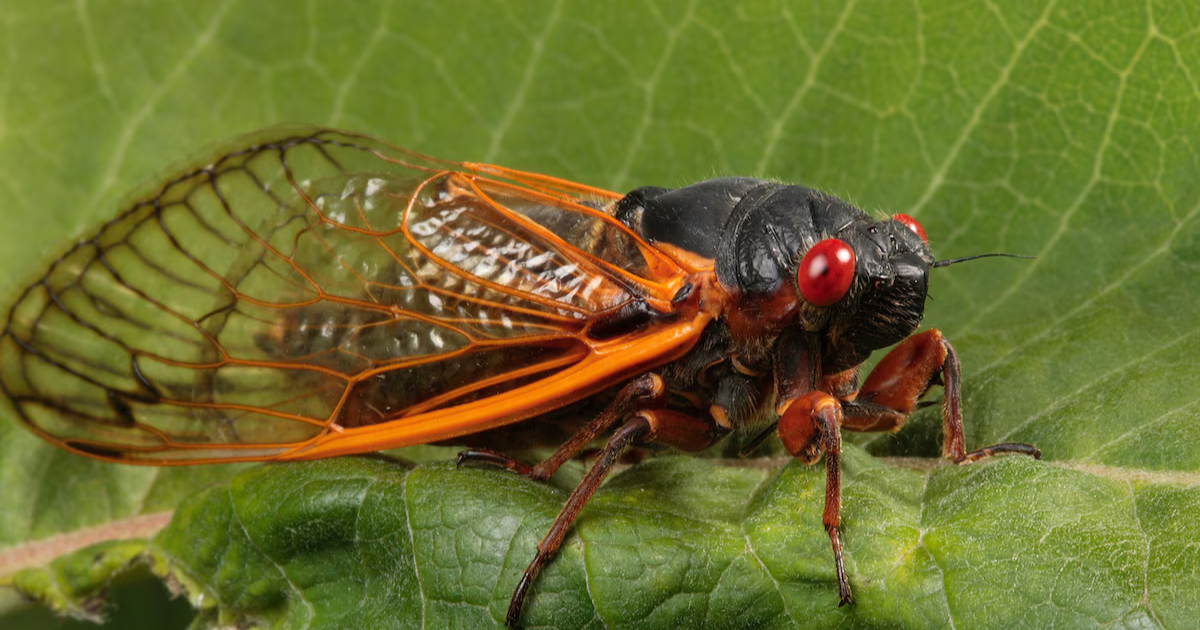
The periodical cicada life cycle is one of nature’s most remarkable survival strategies. Unlike most insects, certain cicada species spend either 13 or 17 years underground before emerging in enormous numbers for just a few weeks.
Scientists believe these unusually long life cycles help cicadas avoid predators and improve their chances of reproducing successfully. Although millions may appear at once, their brief visit above ground is only the final stage of a life cycle that has been developing for more than a decade.
What Are Periodical Cicadas?
Periodical cicadas belong to the genus Magicicada, native to eastern North America.
They differ from annual cicadas because they do not emerge every summer. Instead, each population follows a synchronized life cycle of either 13 or 17 years, depending on the species and brood.
When the soil reaches the right temperature, entire populations emerge within a matter of days.
Why 13 and 17 Years?
One of the most fascinating aspects of the periodical cicada life cycle is that both 13 and 17 are prime numbers.
A prime number can only be divided evenly by one and itself.
Researchers believe these long, prime-numbered cycles reduce the chances of cicadas regularly matching the life cycles of predators. As a result, predators cannot easily depend on cicadas as a consistent food source.
Although scientists continue to study this phenomenon, the prime-number strategy remains one of the leading explanations for their unusual timing.
Life Underground
Most of a cicada’s life is spent beneath the soil.
After hatching from eggs, young cicada nymphs drop to the ground and burrow underground.
There, they feed on fluids from tree roots while growing slowly through several developmental stages called molts.
During this time they remain hidden from view, sometimes for well over a decade.
A Short Life Above Ground
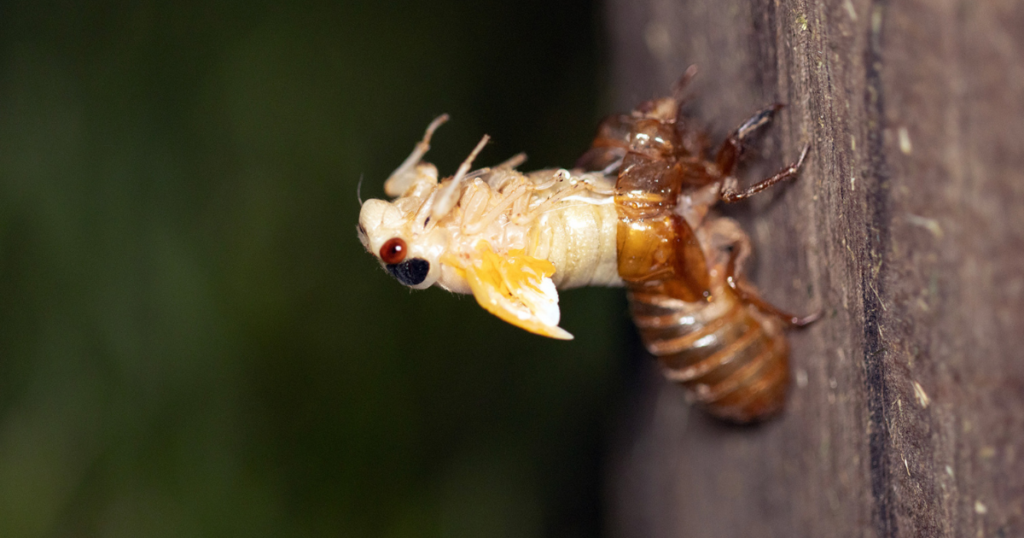
When conditions are right, millions of cicadas emerge almost simultaneously.
After climbing nearby trees or other vertical surfaces, they shed their final nymphal skin and become winged adults.
Their time above ground usually lasts about four to six weeks.
During this brief period they:
- Mate.
- Lay eggs.
- Complete their life cycle.
Once reproduction is finished, the adults die naturally.
Why Do They Emerge in Huge Numbers?
Mass emergence is another important survival strategy.
When millions of cicadas appear at the same time, birds, mammals, reptiles, and other predators cannot consume them all.
Scientists call this predator satiation.
Although many cicadas are eaten, enough survive to reproduce and continue the next generation.
Do Periodical Cicadas Damage Trees?
Adult cicadas do not bite people and rarely feed on leaves.
However, females make small slits in young tree branches when laying eggs.
Healthy mature trees usually recover without significant damage.
Young trees may benefit from temporary protective netting during heavy emergence years.
Are Cicadas Harmful to People or Pets?
Periodical cicadas are generally harmless.
They do not:
- Sting.
- Bite.
- Carry diseases to humans.
- Damage homes.
Pets occasionally eat cicadas without serious problems, although consuming large numbers may cause temporary digestive upset.
Where Are Periodical Cicadas Found?
Periodical cicadas occur naturally in parts of the eastern United States.
Different groups, known as broods, emerge in different years and occupy different geographic regions.
Because each brood follows its own schedule, some areas may experience spectacular emergences while neighboring regions see none.
Interesting Facts About Periodical Cicadas
- Some cicadas spend 17 years underground before becoming adults.
- Their emergence is synchronized across entire populations.
- Males produce loud songs to attract females.
- Their empty shells are often found attached to tree trunks after molting.
- They play an important role in forest ecosystems by recycling nutrients and providing food for wildlife.
Frequently Asked Questions
Why do cicadas stay underground for so many years?
Young cicadas develop slowly while feeding on fluids from tree roots. Their long underground stage is a natural part of their life cycle.
Why are 13 and 17 years important?
Scientists believe these prime-number life cycles reduce synchronization with predator populations, increasing the likelihood that enough cicadas survive to reproduce.
How long do adult cicadas live?
Most adult periodical cicadas live for approximately four to six weeks after emerging.
Are periodical cicadas dangerous?
No. They do not sting, bite, or spread diseases and are generally harmless to people and pets.
Why do so many cicadas emerge at once?
Mass emergence overwhelms predators, making it impossible for them to consume every cicada. This improves the survival of the population as a whole.
Final Thoughts
The periodical cicada life cycle demonstrates one of nature’s most extraordinary survival adaptations. Spending 13 or 17 years underground before emerging together allows these insects to reduce predator pressure and maximize reproductive success.
Although their appearance may seem dramatic, periodical cicadas are a temporary and important part of healthy forest ecosystems. Their synchronized emergence, brief adult lives, and remarkable timing continue to fascinate scientists and nature enthusiasts around the world.
Internal Linking Suggestions
Consider linking this article to related content on secretsofthegreengarden.com, such as:
- Why Fireflies Light Up Summer Nights
- Beneficial Garden Insects Every Gardener Should Know
- How Pollinators Support Healthy Gardens
Recommended External Sources
For additional scientific information, consult:
- U.S. Forest Service
- Smithsonian Institution
- University of Connecticut Integrated Pest Management Program
Primary Keyword: periodical cicada life cycle
Related Keywords: periodical cicadas, 13-year cicadas, 17-year cicadas, cicada emergence, prime number life cycle, Magicicada, insect life cycle, predator satiation.
Meta Description: Discover why periodical cicadas spend 13 or 17 years underground, how their prime-number life cycle works, and why they emerge in massive synchronized groups before disappearing just weeks later.
Vừa hoàn tất đăng ký tại C168 là mình nhận ngay được code 68K khởi nghiệp, hỗ trợ khách hàng ở đây trực 24/7 nên giải đáp thắc mắc rất nhanh. Giao diện trang chủ mượt mà, dễ thao tác, cực kỳ phù hợp cho những anh em mới bắt đầu tìm kiếm cơ hội bứt phá thu nhập.
Hệ thống link vào C168 luôn ổn định và không bị chặn, giúp trải nghiệm soi kèo bóng đá hay chơi casino của mình không bao giờ bị gián đoạn. Điểm cộng lớn nhất là nền tảng bảo mật thông tin cực tốt, giúp mình hoàn toàn yên tâm tận hưởng kho game đồ sộ mà không lo ngại rủi ro rò rỉ dữ liệu cá nhân.
Hệ thống link vào C168 luôn ổn định và không bị chặn, giúp trải nghiệm soi kèo bóng đá hay chơi casino của mình không bao giờ bị gián đoạn. Điểm cộng lớn nhất là nền tảng bảo mật thông tin cực tốt, giúp mình hoàn toàn yên tâm tận hưởng kho game đồ sộ mà không lo ngại rủi ro rò rỉ dữ liệu cá nhân.