
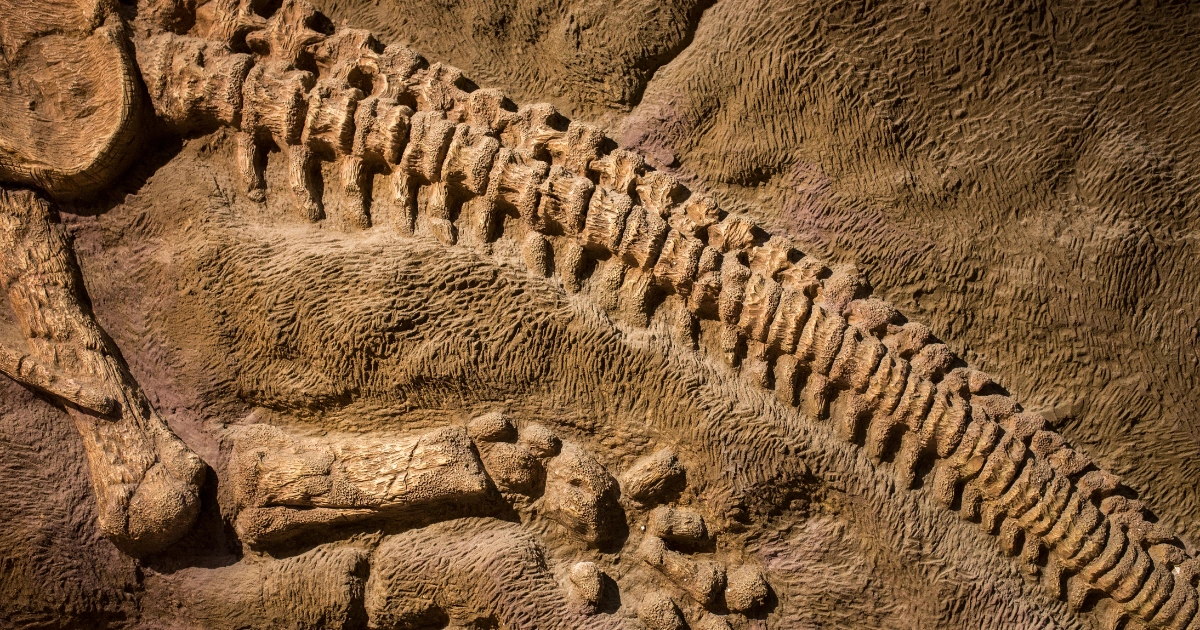
A remarkable fossil dating back 289 million years has provided scientists with fresh insight into how early land animals evolved their respiratory systems. This discovery not only challenges previous assumptions about breathing mechanisms but also highlights the complexity of vertebrate evolution. By studying the fossilized remains of Captorhinus aguti, researchers have uncovered evidence of advanced rib-based breathing long before it was believed to have developed.
The Fossil Discovery
The fossilized specimen of Captorhinus aguti is exceptionally well-preserved, allowing scientists to observe details of the soft tissues and rib structures. This high-quality preservation offers a rare glimpse into the anatomy of early terrestrial vertebrates. Notably, the fossil reveals that sophisticated rib-based mechanisms for breathing existed millions of years earlier than previously documented.
Key Features Observed
- Bilateral symmetry – The fossil exhibits a symmetrical skeletal structure indicative of advanced vertebrate anatomy.
- Segmented ribs – These support the rib-based breathing hypothesis, allowing expansion and contraction of the thoracic cavity.
- Sensory organs and digestive cavity – Detailed preservation shows structures necessary for survival and adaptation in terrestrial environments.
Rib-Based vs Throat Pumping
Historically, scientists believed that early land animals relied primarily on throat pumping to ventilate their lungs, similar to modern amphibians like frogs. This process involves the throat muscles actively drawing air into the lungs. However, Captorhinus aguti demonstrates that rib-based ventilation, which relies on the expansion and contraction of the rib cage, evolved much earlier than previously thought.
Advantages of Rib-Based Breathing
- More efficient air intake – Ribs allow for larger lung expansion, supporting higher metabolic demands.
- Synchronized body mechanics – Rib movement facilitates better coordination between respiration and locomotion.
- Durability and evolution – Rib-based mechanisms provide a foundation for the sophisticated breathing systems seen in modern reptiles, birds, and mammals.
Evolutionary Timeline
The fossil provides evidence that rib-based breathing may have been established as early as 289 million years ago. Comparing this to modern descendants reveals that the basic mechanism persists in various terrestrial vertebrates, including crocodilians and large predatory lizards.
- Throat pumping – Still used by modern frogs and some amphibians.
- Rib-based breathing – Adopted by reptiles, birds, and mammals, showing an evolutionary shift toward efficiency.
Insights into Modern Descendants
By examining Captorhinus aguti, researchers can infer how modern animals utilize different breathing strategies:
- Crocodilians – Use rib-based mechanics combined with diaphragmatic movements.
- Komodo dragons – Exhibit rib-based expansion for lung ventilation.
- Other large predators – Rely on advanced rib mechanics for high oxygen demands during hunting and activity.
Implications for Vertebrate Biology
This discovery has far-reaching implications for understanding vertebrate physiology:
- Rewriting evolutionary history – Early vertebrates may have developed complex respiratory systems earlier than assumed.
- Functional morphology – Rib-based breathing allows for insights into the locomotion and metabolic rates of prehistoric species.
- Comparative anatomy – Fossils provide a bridge to study how modern vertebrates maintain efficient respiration.
Frequently Asked Questions
Q1: What makes the Captorhinus aguti fossil special?
The fossil is unique due to its preservation of soft tissues and rib structures, revealing a previously unknown rib-based breathing mechanism.
Q2: How does rib-based breathing differ from throat pumping?
Rib-based breathing uses the expansion of the rib cage to ventilate lungs, while throat pumping relies on muscular movements of the throat to draw air in.
Q3: Which modern animals use rib-based breathing?
Reptiles, birds, and mammals utilize rib-based breathing, whereas frogs and other amphibians rely primarily on throat pumping.
Q4: Why is this discovery important?
It provides insight into the evolution of efficient respiratory systems in land vertebrates, showing that complex breathing mechanisms existed much earlier than previously known.
Q5: Can this research inform current biology?
Yes, studying ancient breathing systems helps understand vertebrate physiology, evolutionary adaptations, and the functionality of modern species.
Further Reading
- Smithsonian Institution: Vertebrate Evolution
- National Science Foundation: Fossil Discoveries
- Journal of Vertebrate Paleontology
Conclusion
The 289-million-year-old Captorhinus aguti fossil fundamentally reshapes our understanding of early vertebrate respiration. It provides compelling evidence that rib-based breathing was an evolutionary innovation that arose earlier than scientists previously thought, setting the stage for the complex respiratory systems present in modern reptiles, birds, and mammals. This discovery emphasizes the importance of fossil studies in uncovering hidden chapters of life’s evolutionary story.