
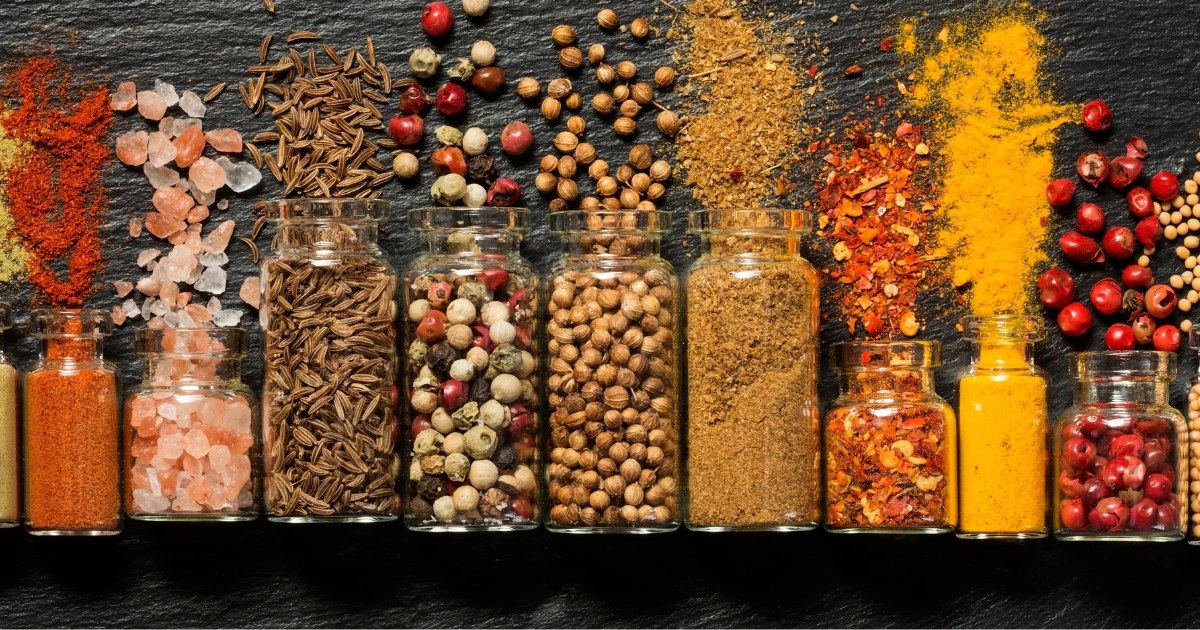
Spices are the cornerstone of global cuisine, adding depth, aroma, and flavor to every dish. While individual spices are powerful, blends combine multiple flavors to create complexity and balance. Understanding the composition and ideal uses of different spice mixes can elevate your cooking and unlock authentic international tastes.
What Are Spice Blends?
Spice blends are pre-mixed combinations of herbs, seeds, and ground spices, designed to enhance dishes without the need for multiple individual seasonings. They can be specific to a region, such as North African Ras el Hanout or Japanese Shichimi Togarashi, and often carry centuries of culinary tradition.
Using spice blends offers several benefits:
- Consistent flavor profile
- Simplified seasoning process
- Access to authentic cultural tastes
- Balanced aroma and taste without over-seasoning
Top 8 World Spice Blends
1. Za’atar
Originating in the Middle East, Za’atar is a fragrant blend primarily composed of sesame seeds, dried herbs, and sumac. Its flavor is herbal, tangy, and slightly nutty.
Best Uses: Sprinkle on flatbreads, roasted vegetables, or meats. It works well as a finishing seasoning for hummus or labneh. Za’atar pairs beautifully with olive oil for dipping breads.
2. Ras el Hanout
Hailing from Morocco, Ras el Hanout is a complex mixture of up to 30 spices, including cumin, cinnamon, coriander, and cardamom. Its name translates to “top of the shop,” reflecting the high-quality ingredients traditionally included.
Best Uses: Ideal for slow-cooked tagines, roasted meats, or spiced couscous. It adds warmth and depth, especially in lamb and chicken dishes.
3. Berbere
A staple in Ethiopian cuisine, Berbere is a fiery mix featuring chili, garlic, ginger, and fenugreek. Its vibrant red color and heat make it both visually striking and intensely flavorful.
Best Uses: Perfect for stews, lentils, and roasted vegetables. It’s a key ingredient in traditional Doro Wat, providing a spicy, smoky foundation.
4. Dukkah
Dukkah, from Egypt, combines nuts, seeds, and spices for a crunchy, aromatic texture. Ingredients typically include sesame seeds, coriander, cumin, and hazelnuts.
Best Uses: Excellent as a coating for meats or vegetables. Sprinkle on salad or dip fresh bread in olive oil followed by Dukkah for a simple, flavorful snack.
5. Herbes de Provence
A classic French blend, Herbes de Provence includes thyme, rosemary, oregano, basil, and sometimes lavender. It imparts a fragrant, slightly floral note to dishes.
Best Uses: Ideal for roasted meats, ratatouille, grilled vegetables, and olive oil marinades. It complements Mediterranean flavors and can be added during cooking or as a finishing touch.
6. Shichimi Togarashi
A Japanese seven-spice blend, Shichimi Togarashi typically contains chili pepper, orange peel, sesame seeds, nori (seaweed), and Sichuan pepper. Its bright and spicy profile adds umami and heat.
Best Uses: Sprinkle over noodles, soups, grilled fish, or rice dishes. It enhances flavor while providing a mild kick and aromatic complexity.
7. Garam Masala
Garam Masala is a warming Indian spice blend featuring cumin, coriander, cardamom, cloves, and cinnamon. It is generally added toward the end of cooking to preserve its aromatic quality.
Best Uses: Essential in curries, lentil dishes, stews, and biryanis. Garam Masala enhances heat and fragrance without overpowering other spices.
8. Furikake
A Japanese finishing seasoning, Furikake combines sesame seeds, dried fish, seaweed, sugar, and salt. It provides a savory, nutty, and slightly umami taste.
Best Uses: Sprinkle over rice, steamed vegetables, or even popcorn. It adds texture, flavor, and an authentic Japanese touch to simple meals.
Tips for Using Spice Blends
- Store in airtight containers away from heat and light to preserve aroma.
- Toast seeds lightly before grinding to release essential oils.
- Use blends according to the cuisine’s cultural context for authentic results.
- Start with small amounts and adjust to taste.
FAQ
1. What is the difference between a spice and a spice blend?
A spice is a single ingredient, such as cumin or cinnamon. A spice blend is a pre-mixed combination designed to achieve a specific flavor profile.
2. Can I make my own spice blends at home?
Yes, homemade blends allow you to adjust proportions for flavor intensity. Store in airtight jars for optimal freshness.
3. How long do spice blends last?
Properly stored, spice blends can last 6–12 months. Whole spices generally retain potency longer than ground ones.
4. Are spice blends healthier than single spices?
Blends offer a variety of antioxidants, vitamins, and minerals depending on their ingredients, but overall health benefits are similar to using individual spices.
5. Can I substitute one blend for another?
While you can experiment, substituting blends may alter the intended flavor profile. It’s best to match the blend to the regional cuisine.