
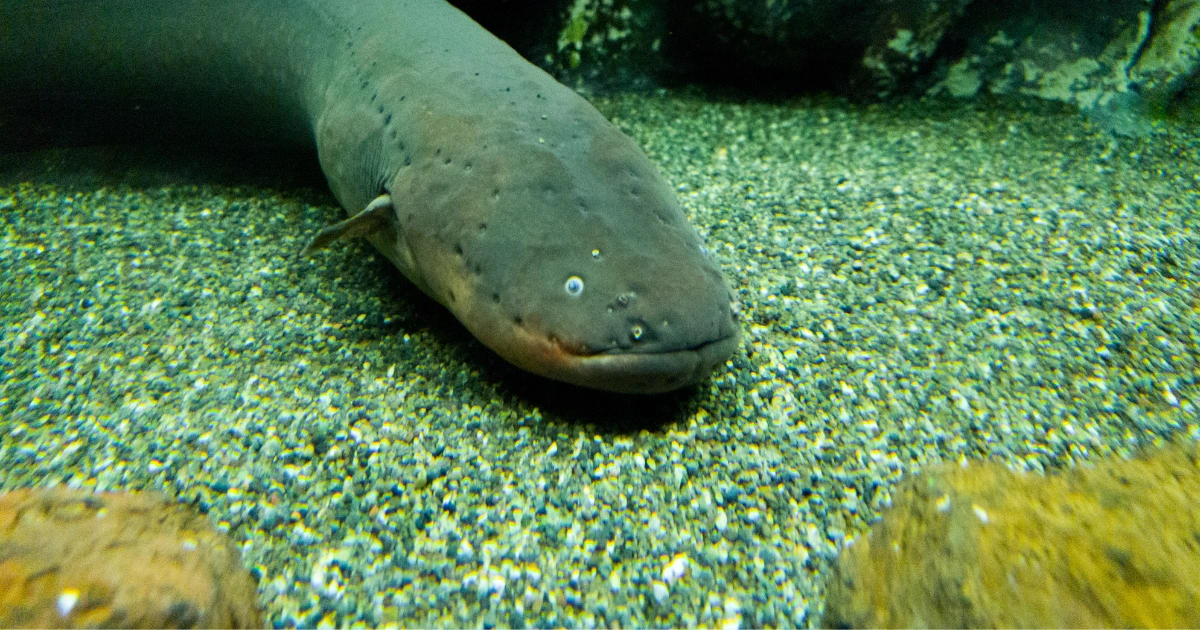
Electric eels (Electrophorus electricus) are one of the most fascinating creatures in the animal kingdom. Known for their ability to generate high-voltage electricity, these aquatic predators have evolved a remarkable combination of biological adaptations that allow them to hunt, navigate, and communicate in freshwater environments. Understanding how electric eels function provides insights into evolutionary biology, neurophysiology, and even potential biomedical applications.
What Makes Electric Eels Unique?
Unlike true eels, electric eels are more closely related to catfish and carp. They are capable of producing electrical discharges of up to 600 volts—enough to stun prey or deter predators. This astonishing ability is facilitated by specialized electric organs that occupy approximately 80% of the eel’s body, with only 20% devoted to vital organs.
Anatomy of Electric Organs
Electric eels have three main electric organs:
- Hunter’s Organ: Produces high-voltage discharges used for hunting and self-defense.
- Main Electric Organ: Responsible for most of the eel’s shock-producing capacity.
- Sachs’ Organ: Generates low-voltage electrical pulses for navigation and communication.
These organs are powered by electrocytes, specialized cells that function similarly to batteries. When activated in sequence, they create a strong current, giving the eel its unique predatory advantage.
How Electric Eels Hunt
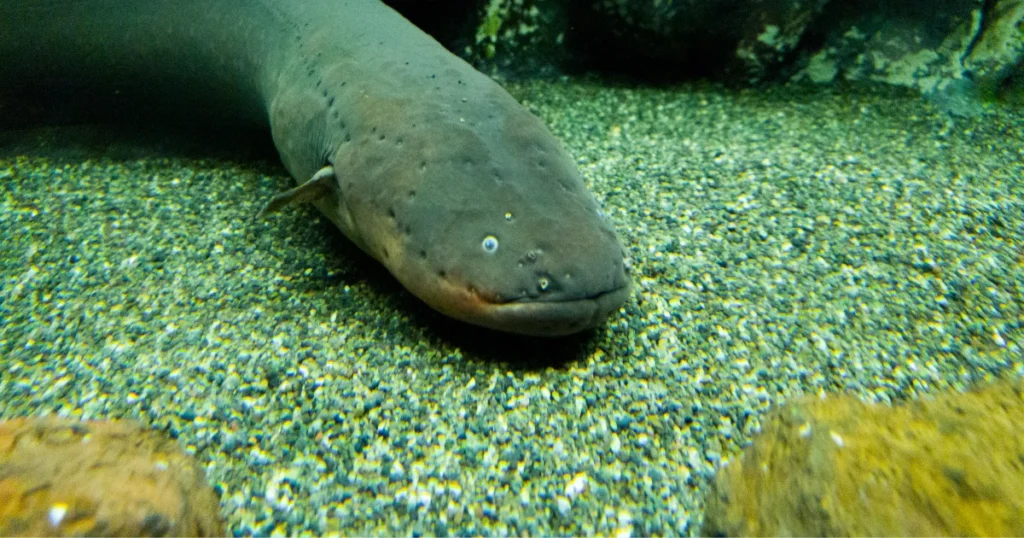
Electric eels employ a sophisticated hunting strategy using their electrical abilities. They can remotely control prey muscle contractions, effectively paralyzing small fish in what is known as the “electric trap” behavior. By discharging pulses, the eel immobilizes its target while keeping itself safe from harm.
Low-voltage pulses (around 10 volts) are used for electrolocation, enabling the eel to detect movements and obstacles in murky waters. This combination of high-voltage hunting and low-voltage navigation demonstrates an evolutionary adaptation that integrates both offensive and sensory functions.
Electrical Communication
Electric eels do not rely solely on sight or smell. They also use electric signals to communicate with other eels. Each individual can produce distinctive low-voltage patterns, allowing recognition among conspecifics. This ability plays a role in mating, territorial behaviors, and social interactions within their environment.
Comparison with Other Aquatic Species
While electric eels are famous for their electricity, other species such as electric catfish and knifefish generate smaller electrical discharges primarily for communication or navigation. What sets electric eels apart is the combination of high-voltage hunting capability with sophisticated low-voltage sensory communication.
Evolutionary Adaptations
Electric eels are a product of millions of years of evolution. Their anatomy is optimized for both producing electricity and surviving in low-oxygen, freshwater habitats. The distribution of electric organs along their elongated body, coupled with highly specialized neurons, allows them to deliver precise bursts of electricity with minimal energy waste.
These adaptations reflect convergent evolution in nature, where unrelated species develop similar traits to thrive in comparable environments. In the case of electric eels, their electric organs are a unique innovation unmatched in other vertebrates.
Applications and Scientific Insights
Studying electric eels has inspired research in bioelectricity, robotics, and even medical technologies. Understanding electrocyte function can inform the design of bio-inspired electrical systems, while their neuromuscular control mechanisms offer insights into electrophysiology.
Conservation Considerations
Electric eels inhabit rivers and swamps in South America, particularly in the Amazon Basin. Habitat degradation, pollution, and overfishing pose risks to their populations. Protecting freshwater ecosystems ensures the survival of these extraordinary creatures and the biodiversity of their environments.
Frequently Asked Questions
Q1: Can electric eels harm humans?
A1: Yes, a full-voltage discharge can be dangerous, potentially causing muscle spasms or temporary incapacitation, but fatalities are extremely rare.
Q2: Are electric eels true eels?
A2: No, electric eels are closely related to catfish, not true eels.
Q3: How do electric eels produce electricity?
A3: They use electrocytes in specialized organs. When activated simultaneously, these cells generate strong electrical currents.
Q4: Why do electric eels produce low-voltage pulses?
A4: Low-voltage pulses are used for navigation, detecting prey, and communication with other eels.
Q5: How strong is the electric discharge of an eel?
A5: Electric eels can generate up to 600 volts in a single discharge.