
Understanding the differences between grasshoppers, crickets, and katydids can be confusing for enthusiasts and gardeners alike. These insects share similar physical features but differ significantly in behavior, habitat, and physical adaptations. Proper identification helps with ecological studies, gardening, and pest management.
Key Differences in Appearance
Grasshoppers
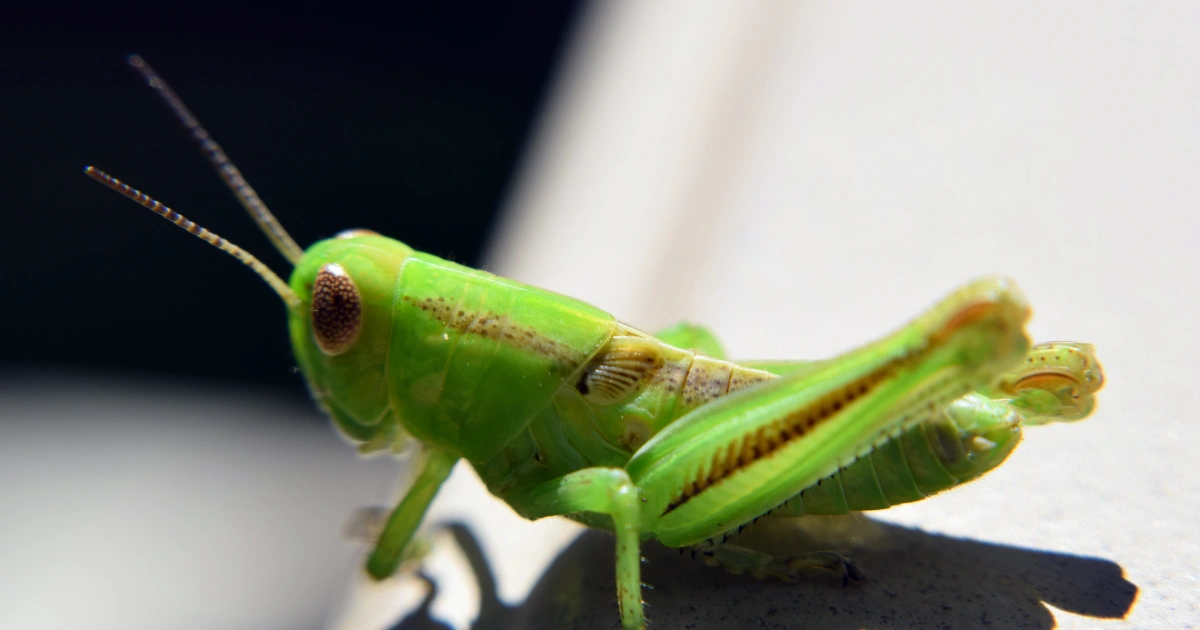
Grasshoppers are easily recognized by their short antennae, which are noticeably shorter than their body length. They have powerful hind legs designed for jumping and are active primarily during the day. Grasshoppers produce their signature songs through a process called stridulation, generated by rubbing their hind legs against their wing surfaces.
Crickets
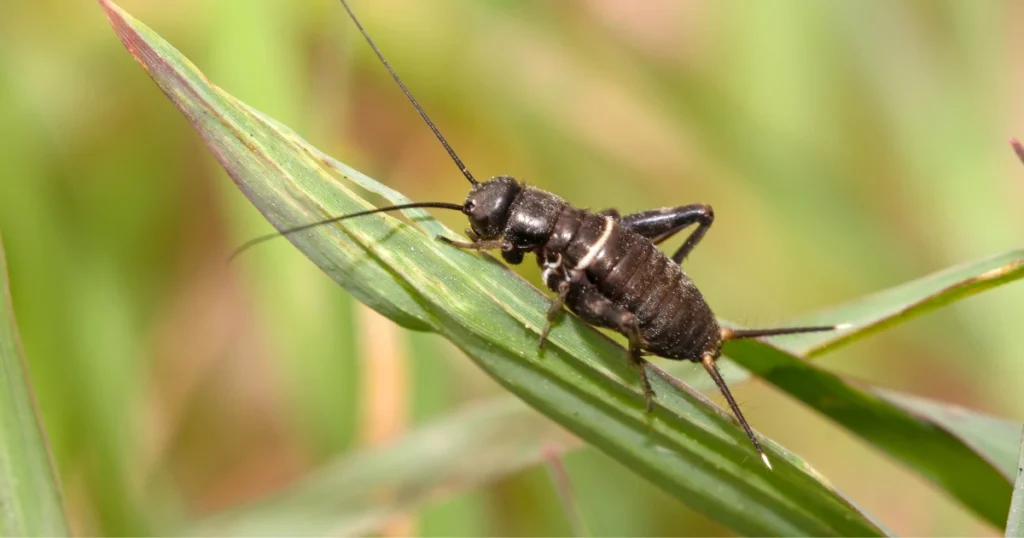
Crickets are nocturnal insects with extremely long antennae that often exceed their body length. They are omnivores, feeding on both plant material and smaller insects. Crickets produce sound by rubbing their wings together, creating a chirping that is commonly heard during warm summer nights.
Katydids
Katydids are masters of camouflage, with wing structures that mimic leaves perfectly. They are nocturnal and primarily herbivorous. Their antennae are extremely long, aiding in navigation in low-light conditions. Katydids produce distinctive sounds for mating and territorial purposes, using wing stridulation similar to grasshoppers.
Behavioral Traits
- Activity Timing: Grasshoppers are diurnal, crickets are nocturnal, and katydids are also primarily active at night.
- Sound Production: Grasshoppers use leg-wing friction, crickets use wing-to-wing friction, and katydids produce sound for communication through specialized wing structures.
- Feeding Habits: Grasshoppers mostly feed on leaves and grasses, crickets are omnivorous, and katydids prefer plant material.
Habitat and Distribution
- Grasshoppers: Prefer open grassy areas and fields.
- Crickets: Common in dark, moist environments such as under rocks or logs.
- Katydids: Found in forests, bushes, and areas with dense vegetation where camouflage is effective.
Ecological Role
Each of these insects plays a critical role in ecosystems:
- Grasshoppers serve as a food source for birds, reptiles, and small mammals.
- Crickets aid in decomposition and soil aeration.
- Katydids help with pollination and act as prey for nocturnal predators.
Pest Considerations
While many species are harmless, certain grasshoppers and crickets can damage crops and gardens if populations become dense. Katydids, being more herbivorous, may occasionally feed on garden plants but generally cause minimal damage due to their nocturnal habits.
Tips for Gardeners:
- Monitor the presence of these insects to ensure plant health.
- Encourage natural predators like birds to maintain ecological balance.
- Use physical barriers or eco-friendly repellents if insect populations are high.
FAQ
Q1: How can I tell a grasshopper from a katydid?
A1: Grasshoppers have short antennae and are active during the day, while katydids have long antennae and mimic leaves for camouflage at night.
Q2: Do crickets cause significant damage to gardens?
A2: Crickets are omnivorous and may occasionally nibble on plants, but they are generally not harmful unless present in large numbers.
Q3: Why do katydids mimic leaves?
A3: Leaf mimicry helps katydids avoid predators and enhances their survival in dense vegetation.
Q4: Can these insects be kept as pets?
A4: Some species of crickets and grasshoppers are kept for educational purposes or as feeder insects, but katydids are rarely kept due to their specific habitat needs.
Q5: Are grasshoppers and crickets beneficial to humans?
A5: Yes, they are vital components of the food chain, aid in decomposition, and help maintain ecosystem balance.