
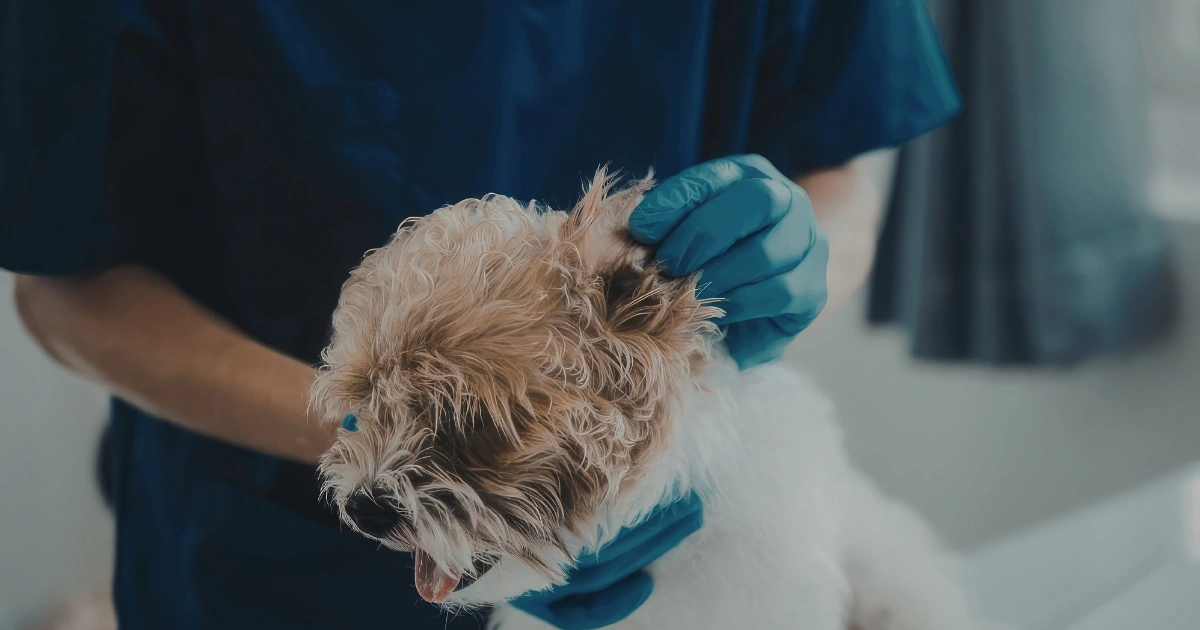
Maintaining healthy ears is essential for a dog’s overall well-being. Ear problems in dogs are common and can escalate quickly if not addressed. Understanding what constitutes a healthy ear and recognizing early signs of infection or other issues can prevent pain, long-term damage, and costly veterinary treatments.
Understanding Healthy Dog Ears
Dogs come with a variety of ear types, mainly categorized as floppy ears and erect ears.
- Floppy Ears: Common in breeds like Golden Retrievers, floppy ears hang loosely and are more prone to moisture accumulation, which can encourage bacterial and yeast growth.
- Erect Ears: Seen in breeds such as German Shepherds, erect ears are upright, promoting natural air circulation, which reduces the likelihood of infections.
Healthy ears should be clean, odorless, and free from debris. Minimal wax is normal, but the ear canal should remain dry, and your dog should show no signs of discomfort.
Signs of Infection or Other Problems
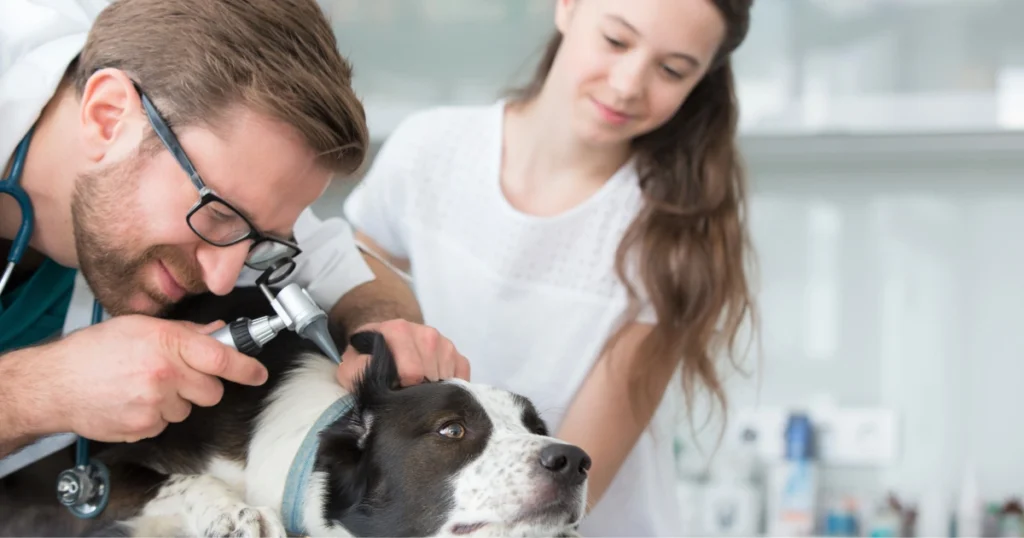
Early detection is key. Some common ear issues include:
- Yeast Infections
- Appearance: Dark brown, waxy discharge
- Smell: Musty or similar to corn chips
- Symptoms: Scratching, head shaking, redness
- Action: Veterinary assessment for antifungal treatment
- Bacterial Infections
- Appearance: Yellow or green discharge
- Smell: Foul odor
- Symptoms: Pain on touch, scratching, redness
- Action: Veterinary evaluation for antibiotics and cleaning
- Ear Mites
- Appearance: Dark, coffee-ground debris
- Symptoms: Intense itching, scratching, head shaking
- Action: Veterinary treatment with topical or oral anti-parasitics
What Not to Do
- Avoid using cotton swabs to clean deep inside your dog’s ear; this can push debris further, causing injury or worsening infection.
- Only use vet-approved ear cleaners and follow professional guidance for treatment.
Preventive Care Tips
- Regularly check your dog’s ears for odor, redness, or debris.
- Keep floppy ears dry, especially after swimming or baths.
- Schedule routine veterinary ear checks, particularly for breeds predisposed to ear problems.
FAQs About Dog Ear Health
Q1: How often should I clean my dog’s ears?
A: For healthy dogs, ear cleaning once every 2–4 weeks is sufficient. Dogs with floppy ears or a history of infections may require more frequent cleaning.
Q2: Can ear infections affect my dog’s hearing?
A: Yes, untreated infections can damage the ear canal and eardrum, potentially leading to temporary or permanent hearing loss.
Q3: Are some breeds more prone to ear infections?
A: Yes, breeds with floppy ears or hair inside the ear canal, such as Cocker Spaniels, Basset Hounds, and Golden Retrievers, are more susceptible.
Q4: How can I tell if my dog has ear mites?
A: Look for intense scratching, dark debris resembling coffee grounds, and head shaking. A veterinarian can confirm diagnosis and treatment.
Q5: When should I see a vet?
A: If your dog shows persistent head shaking, scratching, redness, discharge, or odor, it’s time to schedule a veterinary visit.
Conclusion
Monitoring your dog’s ear health is crucial for preventing pain, infection, and long-term complications. Recognizing early warning signs and following proper care routines ensures your dog enjoys clear hearing and comfortable, healthy ears.