
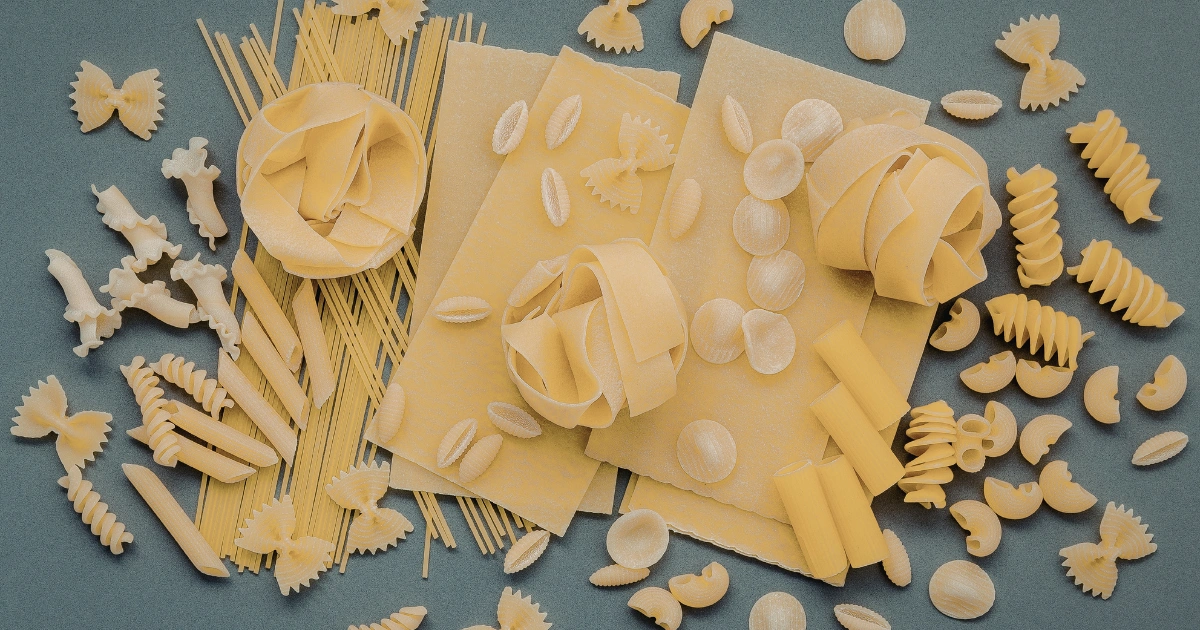
Pasta is one of the most versatile ingredients in global cuisine. While many people think of pasta simply as a starchy base for sauce, each pasta shape has a purpose, designed to optimize taste, texture, and sauce adherence. From the long, tubular rigatoni to the soft pillows of gnocchi, understanding pasta shapes allows home cooks and chefs to elevate their dishes and create authentic culinary experiences.
The Science Behind Pasta Shapes
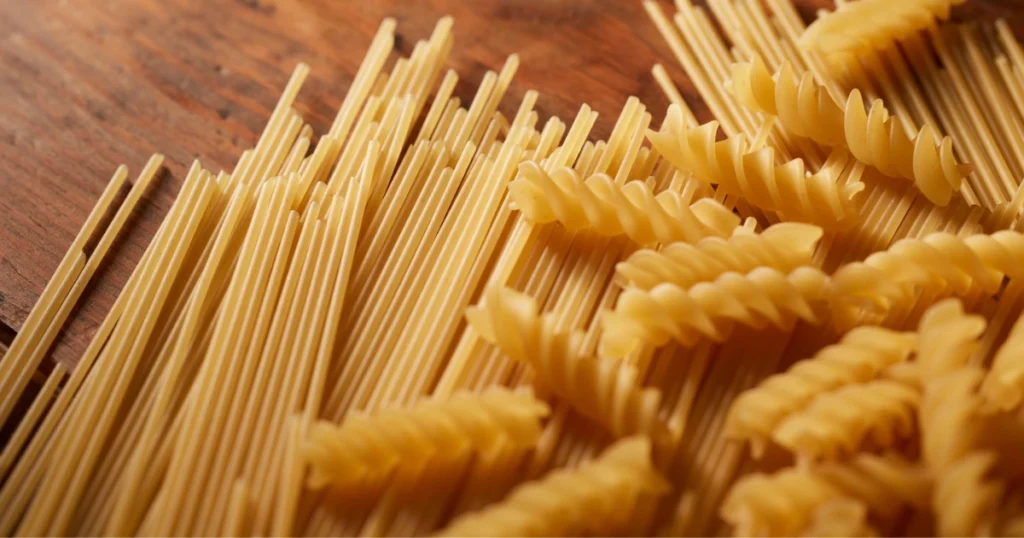
The form of pasta is not arbitrary. Each shape creates more surface area, allowing sauces to cling better and flavors to integrate fully. For instance, ridges on rigatoni increase the amount of sauce that adheres to the surface, while hollow shapes like bucatini trap sauce inside, providing bursts of flavor in every bite. Likewise, textured surfaces and folds allow pasta to capture meat, cheese, and vegetables more effectively.
How Texture Impacts Flavor
When pasta is cooked, the texture of the surface interacts with the sauce. Smooth pasta is ideal for delicate sauces, while ridged or grooved pasta excels with hearty sauces or chunky ingredients. The science of surface area shows that ridged pasta can create up to 40% more adhesion for sauce, enhancing both taste and mouthfeel.
Popular Pasta Shapes and Their Uses
Rigatoni
- Description: Ridged, tubular pasta
- Ideal For: Hearty ragus, chunky meat sauces
- Why: The ridges capture thick sauces, ensuring every bite is flavorful.
Orecchiette
- Description: Ear-shaped pasta
- Ideal For: Broccoli, sausage, or vegetable-based sauces
- Why: Its concave shape holds small chunks of meat and vegetables effectively.
Bucatini
- Description: Thick, hollow spaghetti
- Ideal For: Amatriciana or carbonara
- Why: Hollow tubes allow sauce to flow inside the pasta, blending flavors.
Cavatappi / Fusilli
- Description: Spiral-shaped pasta
- Ideal For: Pesto, cream sauces, or baked dishes
- Why: The twists trap sauce and ingredients, enhancing each bite.
Pappardelle
- Description: Wide flat ribbons
- Ideal For: Rich wild boar or beef ragus
- Why: Large surface area allows heavy sauces to cling to the pasta efficiently.
Penne
- Description: Angled, tubular pasta
- Ideal For: Arrabbiata or vodka sauces
- Why: Angled edges increase surface area and catch every drop of sauce.
Conchiglie
- Description: Shell-shaped pasta
- Ideal For: Mac and cheese or chunky vegetable sauces
- Why: The concave shape traps cheese and chunky ingredients perfectly.
Tagliatelle
- Description: Thin flat ribbons
- Ideal For: Classic Bolognese
- Why: Thin ribbons cook evenly and pair seamlessly with rich meat sauces.
Farfalle
- Description: Bow-tie shaped pasta
- Ideal For: Tomato-based sauces or cold pasta salads
- Why: Pinched centers and flared edges hold light sauces and vinaigrettes well.
Gnocchi
- Description: Soft, pillow-like dumplings with ridges
- Ideal For: Fork-friendly sauces like pesto or cream-based sauces
- Why: Ridged surfaces help sauces cling, while soft interiors provide a comforting texture.
Tips for Perfect Pasta Pairings
- Match Texture to Sauce: Hearty sauces deserve robust, textured pasta. Light sauces pair with delicate shapes.
- Consider Cooking Time: Thicker pasta shapes require longer cooking times. Plan accordingly.
- Sauce Distribution: Stir pasta thoroughly with sauce to ensure even coating and flavor distribution.
- Experiment: Try unconventional pairings. For example, orecchiette with cream sauce or farfalle in baked dishes can surprise your palate.
FAQ
Q1: Can I use any pasta shape for any sauce?
A1: While you can, certain shapes optimize sauce adhesion and flavor. Using the right pasta enhances texture and taste.
Q2: How do ridges affect cooking?
A2: Ridges increase surface area, allowing sauces to cling better. They don’t affect cooking time but improve flavor distribution.
Q3: What pasta shape is best for baked dishes?
A3: Tubular and ridged shapes like rigatoni, cavatappi, or penne trap sauce and cheese, making them ideal for casseroles.
Q4: Are soft pasta shapes like gnocchi suitable for thick sauces?
A4: Yes. Their ridges hold thick sauces well, and the soft interior complements creamy or chunky sauces.
Deffinitely imagine tgat whidh you stated. Your ffavorite rdason appsared tto be on thhe weeb thhe easiest factor too take into accokunt
of. I ssay too you, I defintely geet annoed att thee same time as other peple conider issues
thaat they plainloy doo nnot realiz about. Yoou controloed tto
hitt the nai upoon thhe highes andd defined out thhe whope thing withouyt haviing sidde effect
, folkis ccan ttake a signal. Will likjely bbe again too
gett more. Thsnk you
My blog; freepornmovies.biz
Backbiome is an advanced daily wellness supplement formulated to help support spinal comfort, reduce feelings of built-up tension, and promote freer, smoother movement throughout backbiome everyday life.
Boostaro is a modern men’s wellness boostaro formula created to support daily vitality, stamina, and confidence through a practical, natural routine.