
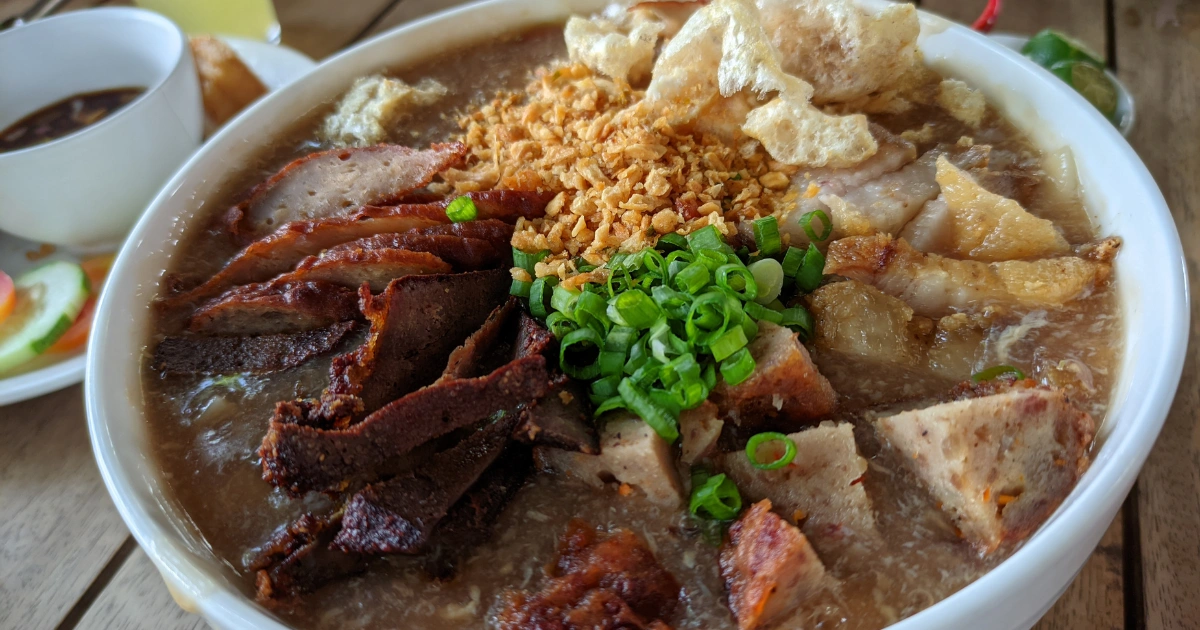
Filipino cuisine is known for its comforting soups, bold flavors, and hearty family-style meals. Among the most beloved dishes are traditional pork soups that combine tender meat, fresh vegetables, savory broth, and regional ingredients into deeply satisfying meals.
From the tangy richness of Sinigang na Baboy to the warming simplicity of Pork Nilaga, these recipes remain staples in many Filipino homes. They are affordable, filling, and ideal for both everyday dinners and special family gatherings.
This guide explores four classic Filipino pork soup recipes, explaining their ingredients, cooking styles, flavor profiles, and why they continue to be cherished across generations.
Why Filipino Pork Soups Are So Popular
Filipino soups are designed around balance:
- Savory and sour flavors
- Tender meat and fresh vegetables
- Light broth with deep richness
- Comfort and nutrition in one dish
These meals are especially popular during:
- Rainy weather
- Family gatherings
- Weekend lunches
- Holiday celebrations
Many recipes also adapt easily depending on local ingredients and family traditions.
Sinigang na Baboy
What Is Sinigang na Baboy?
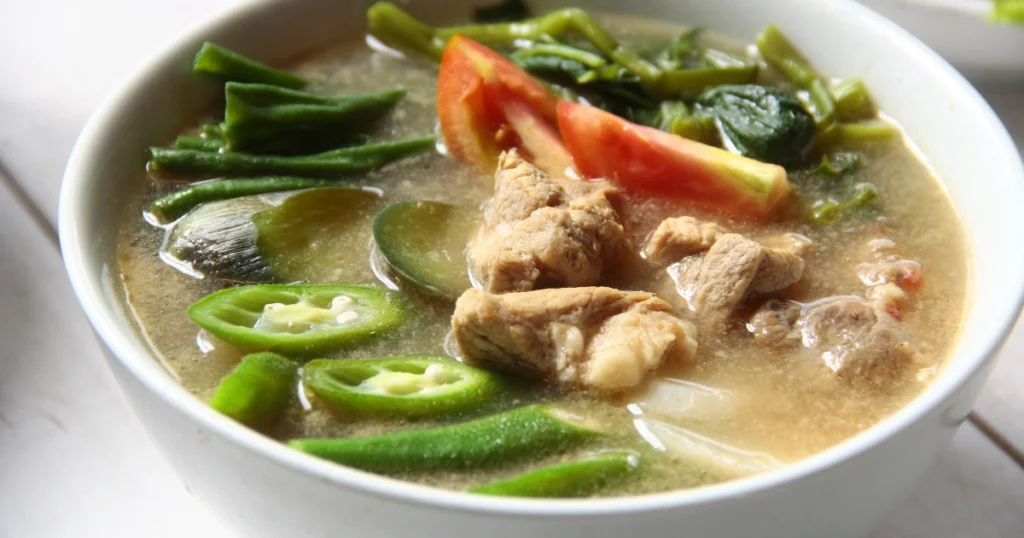
Sinigang na Baboy is one of the most iconic Filipino dishes. It is a sour pork soup traditionally flavored with tamarind, tomatoes, and fresh vegetables.
The dish is famous for its:
- Tangy broth
- Tender pork ribs or belly
- Refreshing flavor
- Comfort-food appeal
Common Ingredients
Typical ingredients include:
- Pork spare ribs or pork belly
- Tomatoes
- Onion
- Radish
- Long beans
- Eggplant
- Bok choy or kangkong
- Green chili peppers
- Fish sauce
- Tamarind soup base
Why Filipinos Love Sinigang
The sour broth cuts through the richness of pork, creating a balanced and refreshing meal.
Many families serve it with:
- Steamed white rice
- Fish sauce with chili
- Fried fish or grilled meat on the side
Cooking Tips
- Simmer pork slowly for tender meat
- Add leafy vegetables near the end
- Adjust sourness gradually
- Use fresh tamarind for a deeper flavor
Pork Bola-Bola Soup
What Is Pork Bola-Bola?
Pork Bola-Bola is a comforting meatball soup made with seasoned pork balls in a clear broth.
It often includes:
- Misua noodles
- Garlic
- Green onions
- Chayote or squash
- Patis (fish sauce)
Why This Soup Is Popular
This dish is:
- Light yet filling
- Quick to prepare
- Kid-friendly
- Perfect for cold or rainy days
The soft noodles and flavorful broth make it especially comforting.
Best Meatball Tips
For juicy meatballs:
- Use pork with moderate fat
- Avoid overmixing
- Simmer gently instead of boiling aggressively
Flavor Variations
Families often customize the recipe with:
- Shrimp
- Mushrooms
- Napa cabbage
- Vermicelli noodles
Pork Nilaga
What Is Pork Nilaga?
Nilaga means “boiled” in Filipino. Pork Nilaga is a simple boiled soup featuring pork, potatoes, corn, and leafy vegetables in a clean, savory broth.
Unlike Sinigang:
- It is not sour
- The broth is milder
- The flavor depends on slow simmering
Traditional Ingredients
Common additions include:
- Pork belly or ribs
- Potatoes
- Corn
- Saba bananas
- Bok choy
- Cabbage
- Onion
- Peppercorns
What Makes Pork Nilaga Unique?
The soup focuses on:
- Natural sweetness
- Slow-cooked flavor
- Soft vegetables
- Rich pork broth
It is often considered one of the most comforting Filipino soups.
Cooking Advice
- Skim impurities for a clearer broth
- Cook vegetables separately if preferred
- Use bone-in pork for extra flavor
Kinamatisang Baboy
What Is Kinamatisang Baboy?
Kinamatisang Baboy is a tomato-based pork soup known for its bright, savory flavor.
The name comes from kamatis, the Filipino word for tomato.
Main Ingredients
Typical ingredients include:
- Pork belly
- Tomatoes
- Onion
- Garlic
- Ginger
- Green chili peppers
- Bok choy
Flavor Profile
This dish combines:
- Savory pork richness
- Fresh tomato acidity
- Mild spice
- Aromatic ginger
The result is a lighter soup with bold natural flavor.
Why It’s a Favorite
Kinamatisang Baboy is:
- Budget-friendly
- Easy to prepare
- Great with rice
- Highly customizable
Some versions include:
- Spinach
- Fish sauce
- Green papaya
- Chili leaves
The Importance of Broth in Filipino Cooking
In Filipino cuisine, broth is more than just liquid.
A good soup broth should:
- Carry deep flavor
- Balance salt and acidity
- Complement rice
- Feel comforting and nourishing
Many traditional recipes rely on:
- Slow simmering
- Bones and connective tissue
- Fresh aromatics
- Natural vegetable sweetness
Best Pork Cuts for Filipino Soups
Different cuts create different textures.
Pork Belly
- Rich and fatty
- Soft texture
- Deep flavor
Pork Ribs
- Tender
- Flavorful broth
- Popular in Sinigang
Pork Shoulder
- Leaner option
- Good for long cooking
Ground Pork
- Used for meatballs
- Quick cooking
Common Filipino Soup Seasonings
Filipino soups often use:
- Fish sauce
- Black pepper
- Garlic
- Onion
- Ginger
- Tamarind
- Tomatoes
These ingredients create layered flavor without excessive complexity.
Why Rice Is Always Served With Soup
Rice balances:
- Salty broth
- Sour flavors
- Rich pork fat
The broth is often spooned directly over rice for extra flavor.
Health Benefits of Homemade Filipino Soups
Homemade soups can provide:
- Protein
- Vegetables
- Hydration
- Minerals from slow-simmered broth
Using fresh ingredients also allows better control over:
- Sodium
- Fat
- Portion size
Tips for Making Better Filipino Soups
Use Fresh Aromatics
Fresh garlic, onion, and ginger create deeper flavor.
Simmer Slowly
Low heat helps tenderize meat and enrich broth.
Add Vegetables in Stages
This prevents overcooking delicate greens.
Taste Frequently
Adjust fish sauce, salt, and acidity gradually.
Regional Variations Across the Philippines
Different regions adapt recipes based on:
- Local vegetables
- Available seafood
- Climate
- Family traditions
This creates countless variations of classic dishes.
Frequently Asked Questions
What is the most popular Filipino pork soup?
Sinigang na Baboy is widely considered one of the most popular Filipino pork soups.
What makes Sinigang sour?
Traditionally, tamarind provides the sour flavor, although calamansi and other fruits may also be used.
Can Filipino pork soups be frozen?
Yes. Most broths freeze well, though leafy vegetables are best added fresh after reheating.
What vegetables are commonly used in Filipino soups?
Common vegetables include bok choy, cabbage, radish, long beans, tomatoes, and potatoes.
What is the difference between Nilaga and Sinigang?
Nilaga has a mild savory broth, while Sinigang features a distinctly sour broth.
Final Thoughts
Filipino pork soups are more than simple comfort food. They represent family traditions, regional flavors, and the warmth of home cooking. Whether it’s the sour richness of Sinigang na Baboy, the simplicity of Pork Nilaga, the hearty comfort of Pork Bola-Bola, or the bright tomato flavor of Kinamatisang Baboy, each dish reflects the depth and diversity of Filipino cuisine.
These soups continue to remain popular because they are affordable, nourishing, adaptable, and deeply satisfying. Served with hot rice and shared among family members, they remain an essential part of Filipino culinary culture.