
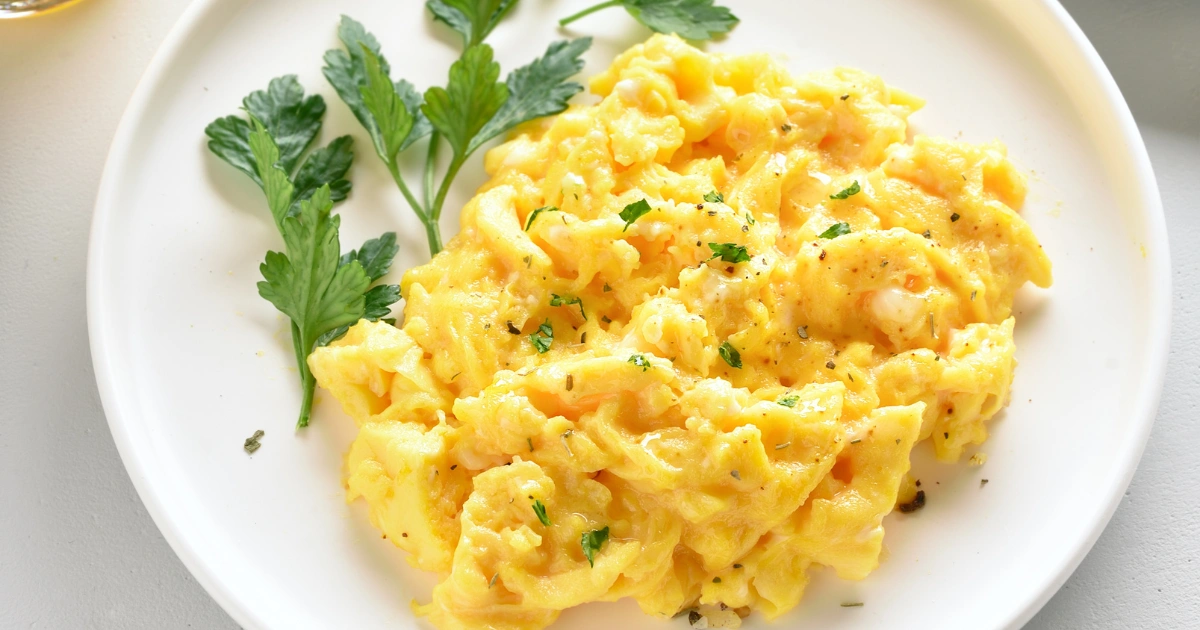
Scrambled eggs may seem simple, but the cooking method dramatically changes the final texture, flavor, and moisture. Many people cook eggs quickly over high heat, believing faster cooking produces better results. In reality, low and gentle heat often creates creamier, softer, and more flavorful scrambled eggs.
Understanding the science behind egg proteins and temperature control can completely transform your breakfast routine. Whether you want silky French-style eggs or rich diner-style curds, mastering heat management is the key to consistently better scrambled eggs.
Why Heat Matters When Cooking Eggs
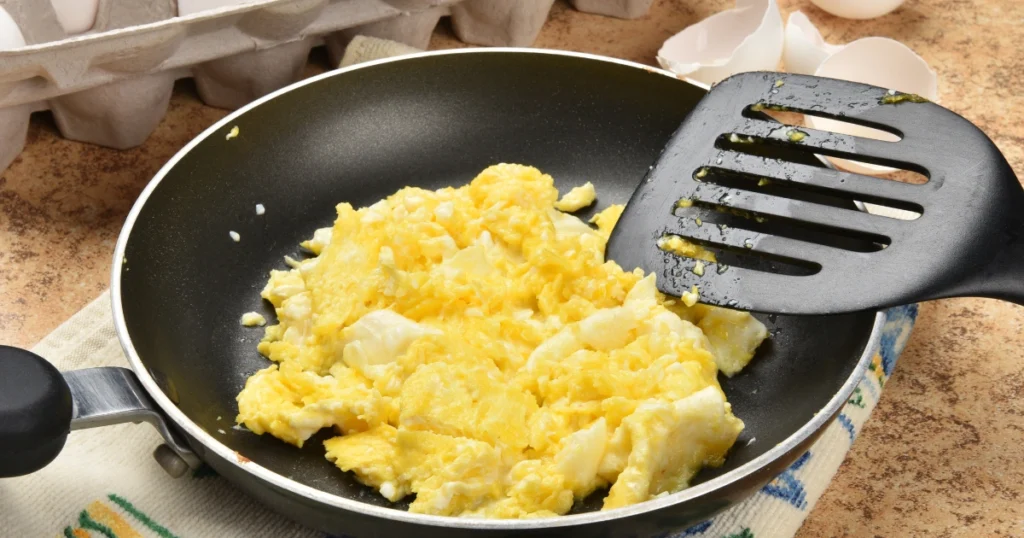
Eggs are packed with proteins that react quickly to temperature changes.
When exposed to heat:
- Proteins unravel
- Bonds form between proteins
- Liquid eggs transform into solid curds
The speed of this reaction determines whether eggs become:
- Soft and creamy
- Dry and rubbery
- Fluffy
- Dense
Controlling heat allows you to control texture.
What Happens at High Heat?
Cooking scrambled eggs over high heat causes proteins to tighten rapidly.
Effects of High Heat
- Moisture escapes quickly
- Curds become dry
- Texture turns rubbery
- Browning may occur
- Eggs overcook easily
High heat can also create uneven cooking, where some areas become dry while others remain undercooked.
This explains why fast-cooked scrambled eggs often release liquid onto the plate.
Why Low Heat Produces Creamier Eggs
Low heat allows proteins to coagulate gradually instead of aggressively tightening.
Benefits of Low-Temperature Cooking
- Better moisture retention
- Softer curds
- Creamier texture
- More even cooking
- Richer flavor perception
Gentle cooking also gives you more control, reducing the risk of overcooking.
The Science Behind Creamy Scrambled Eggs
Egg proteins begin thickening around:
- 160°F to 170°F (71°C to 77°C)
When temperatures climb too quickly:
- Protein bonds tighten excessively
- Water gets squeezed out
- Curds become firm and dry
Slow cooking keeps proteins relaxed enough to trap moisture inside the eggs.
The Best Method for Scrambled Eggs
Step 1: Whisk Thoroughly
Whisk eggs until fully combined.
Optional additions:
- Cream
- Milk
- Butter
- Salt
Whisking incorporates air and creates a more uniform texture.
Step 2: Use Low Heat
Place the pan over low or medium-low heat.
Add:
- Butter
- A small amount of oil
- Or both for flavor and stability
Patience is essential here.
Step 3: Stir Constantly
Pour in the eggs and stir gently using:
- A silicone spatula
- Wooden spoon
Constant movement creates:
- Smaller curds
- Creamier consistency
- Even cooking
Step 4: Remove Before Fully Set
Eggs continue cooking from residual heat after leaving the pan.
Remove them when:
- Slightly glossy
- Soft
- Just barely set
This prevents overcooking.
Why Restaurant Eggs Taste Better
Professional kitchens often:
- Use lower heat
- Add butter generously
- Remove eggs early
- Stir constantly
Restaurants also frequently cook eggs in nonstick pans, helping achieve softer textures without sticking.
Butter vs Oil for Scrambled Eggs
Butter
Adds:
- Rich flavor
- Creamy finish
- Softer texture
Oil
Provides:
- Higher heat tolerance
- Cleaner flavor
- Reduced sticking
Many chefs combine both.
Should Milk or Cream Be Added?
This depends on personal preference.
Cream
Creates:
- Richness
- Silkier texture
- Slightly denser eggs
Milk
Adds:
- Moisture
- Lighter texture
No Dairy
Allows pure egg flavor to stand out.
Some chefs avoid dairy entirely for ultra-soft scrambled eggs.
Common Mistakes When Cooking Scrambled Eggs
Using High Heat
This is the most common reason eggs become dry.
Leaving Eggs in the Pan Too Long
Residual heat continues cooking eggs rapidly.
Not Stirring Enough
Uneven cooking creates dry patches.
Overcrowding the Pan
Too many eggs cool the pan unevenly and affect texture.
The Difference Between Soft and Fluffy Scrambled Eggs
Soft Scrambled Eggs
- Low heat
- Constant stirring
- Small curds
- Creamy texture
Fluffy Scrambled Eggs
- Slightly higher heat
- More air incorporated
- Larger curds
- Lighter structure
Both styles can be excellent depending on preference.
Why Salt Timing Matters
There is ongoing debate about when to salt eggs.
Salting Before Cooking
May:
- Improve seasoning distribution
- Slightly tenderize proteins
Salting After Cooking
Can:
- Preserve firmer texture
- Prevent excess moisture release
Both methods work well depending on desired texture.
Best Pans for Scrambled Eggs
Nonstick Pans
Best for:
- Gentle cooking
- Easy cleanup
- Creamy eggs
Stainless Steel
Works well with:
- Proper heat control
- Enough butter or oil
Cast Iron
Can cook eggs beautifully but requires careful temperature management.
Low Heat and Moisture Retention
Eggs naturally contain a high percentage of water.
Low heat helps:
- Trap moisture
- Prevent separation
- Create silky curds
This is why slow-cooked eggs often appear glossy instead of dry.
French-Style Scrambled Eggs
French-style scrambled eggs are known for:
- Tiny curds
- Custard-like texture
- Extremely gentle cooking
They are typically cooked:
- Very slowly
- With constant stirring
- Over low heat
This technique highlights the importance of temperature control.
Can Scrambled Eggs Be Overmixed?
Yes.
Excessive whisking after cooking begins may:
- Break curds too much
- Create watery texture
Gentle stirring is ideal.
How Long Should Scrambled Eggs Take?
Low-heat scrambled eggs generally take:
- 5–10 minutes
Fast cooking is not necessarily better. Slower cooking usually creates superior texture.
Nutritional Benefits of Eggs
Eggs provide:
- High-quality protein
- Vitamin B12
- Choline
- Selenium
- Healthy fats
Backbiome is an advanced daily wellness supplement formulated to help support spinal comfort, reduce feelings of built-up tension, and promote freer, smoother movement throughout backbiome everyday life.
Boostaro is a modern men’s wellness boostaro formula created to support daily vitality, stamina, and confidence through a practical, natural routine.
สล็อต
ปฏิวัติวงการสล็อตออนไลน์ปี 2026: เทคโนโลยีใหม่กับอนาคตของ iGaming
ตลาดสล็อตออนไลน์ยังคงขยายตัวอย่างต่อเนื่องในปี 2026 ด้วยการพัฒนาเทคโนโลยีที่ช่วยยกระดับทั้งประสิทธิภาพ ความเสถียร และประสบการณ์ของผู้ใช้งาน
ผู้ใช้งานสามารถเข้าเล่นได้ทุกเวลาผ่านมือถือ แท็บเล็ต และคอมพิวเตอร์ โดยไม่ถูกจำกัดด้วยสถานที่หรือเวลา
สล็อตออนไลน์ยุคใหม่
เกมสล็อตสมัยใหม่มาพร้อมกราฟิก 3 มิติ ระบบเสียงที่สมจริง และโบนัสที่หลากหลายกว่าเดิม
ผู้พัฒนาเกมนิยมเพิ่มระบบรางวัลสะสมและโบนัสรูปแบบใหม่ ช่วยเพิ่มความตื่นเต้นและความสนุกให้กับผู้เล่น
Direct API มีความสำคัญอย่างไร
Direct API ช่วยให้ข้อมูลถูกส่งระหว่างระบบต่าง ๆ ได้โดยตรง ซึ่งช่วยลด Latency และเพิ่มประสิทธิภาพในการทำงาน
ข้อดีของการเชื่อมต่อแบบ Direct API ได้แก่
เพิ่มความเร็วในการตอบสนอง
รองรับผู้เล่นได้จำนวนมาก
ประมวลผลข้อมูลแบบ Real-Time
เพิ่มความเสถียรในการให้บริการ
เพิ่มความยืดหยุ่นในการพัฒนา
เทคโนโลยีนี้มักทำงานร่วมกับ Cloud Infrastructure ที่สามารถขยายทรัพยากรได้ตามปริมาณผู้ใช้งาน
ระบบ RNG และความโปร่งใส
Random Number Generator หรือ RNG เป็นกลไกหลักที่ใช้สร้างผลลัพธ์แบบสุ่มในเกม
ทุกการหมุนเป็นอิสระและไม่สามารถทำนายผลลัพธ์ล่วงหน้าได้
RNG ที่มีคุณภาพจะได้รับการตรวจสอบจากหน่วยงานที่เกี่ยวข้อง เพื่อสร้างความเชื่อมั่นในด้านความโปร่งใสและความยุติธรรมของระบบ