
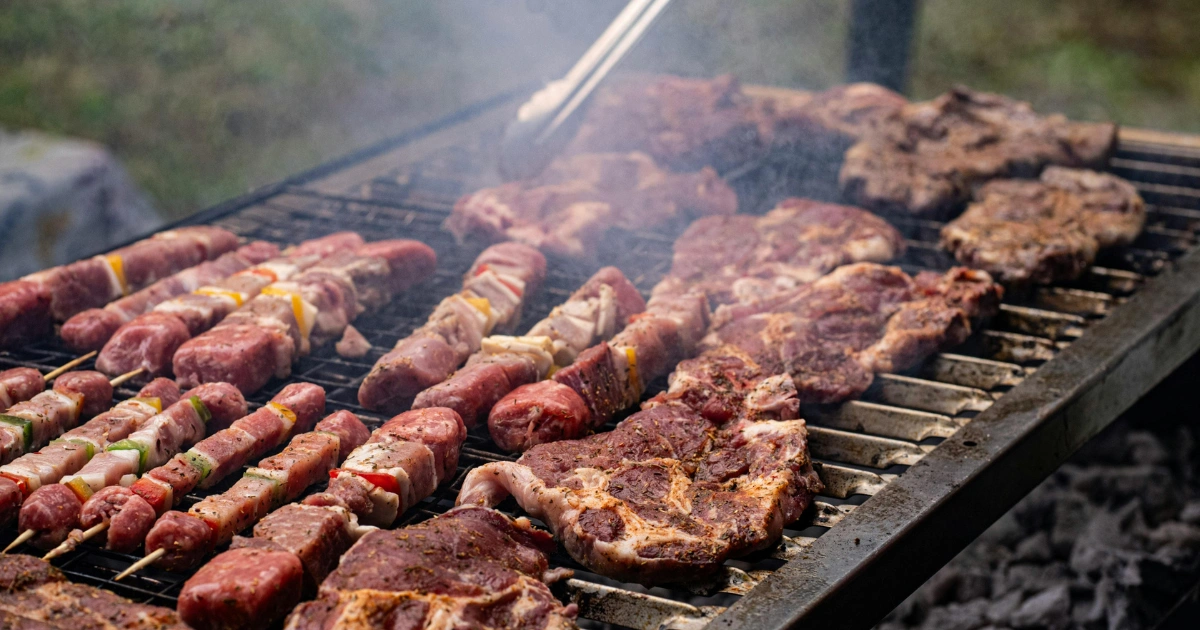
Many home cooks focus heavily on seasoning, cooking temperature, and searing techniques, yet overlook one of the most important steps in preparing meat properly: resting. Cutting into steak, chicken, pork, or roast meat immediately after cooking may seem harmless, but it can dramatically affect texture, moisture, and flavor.
Resting meat allows juices to redistribute throughout the protein, creating a more tender and flavorful result. Whether you are grilling steaks, roasting chicken, or cooking large cuts of beef, understanding why resting meat matters can instantly improve your cooking results.
What Does “Resting Meat” Mean?
Resting meat simply means letting cooked meat sit untouched for a few minutes before slicing or serving it.
During cooking, heat forces moisture toward the center of the meat while muscle fibers tighten. If the meat is cut immediately, those juices rapidly spill onto the cutting board instead of staying inside the meat where they belong.
Resting gives the muscle fibers time to relax and reabsorb moisture.
The Science Behind Meat Resting
Muscle Fibers Tighten During Cooking
As meat heats up:
- Proteins contract
- Muscle fibers tighten
- Internal moisture is pushed inward
- Steam pressure increases
This is especially noticeable with steaks and roasts cooked over high heat.
Carryover Cooking Continues After Heat Removal
Even after removing meat from heat, the internal temperature continues rising for several minutes. This process is known as carryover cooking.
For example:
- A steak removed at 130°F may rise to 135°F while resting
- Large roasts can increase by 5–15°F internally
This final temperature increase helps finish cooking evenly.
What Happens If You Cut Meat Too Early?
Cutting immediately after cooking usually causes:
- Juice loss
- Drier texture
- Uneven moisture
- Tougher bites
- Reduced flavor retention
The liquid seen flooding the cutting board is not “extra juice.” It is moisture that should remain inside the meat.
Why Rested Meat Tastes Better
Rested meat typically has:
- Better texture
- More tenderness
- Improved moisture retention
- Cleaner slices
- Richer flavor concentration
The difference becomes especially obvious with thick steaks, brisket, pork loin, and roasted poultry.
How Long Should Meat Rest?
Resting time depends on the size and thickness of the cut.
Steaks
- Thin steaks: 5 minutes
- Thick steaks: 7–10 minutes
Chicken Breasts
- 5–8 minutes
Pork Chops
- 5–10 minutes
Whole Chicken
- 15–20 minutes
Large Roasts or Brisket
- 20–40 minutes
Larger cuts need more time because they retain heat longer.
Should Meat Be Covered While Resting?
Lightly tenting meat with foil can help preserve warmth without trapping excessive steam.
Best Practice
- Use loose foil
- Avoid wrapping tightly
- Allow some airflow
Wrapping too tightly may soften crispy crusts or seared surfaces.
The Difference Between Rested and Unrested Steak
A rested steak usually:
- Retains juices internally
- Slices more cleanly
- Feels more tender
- Has more even doneness
An unrested steak often:
- Leaks juices heavily
- Appears drier
- Has uneven texture
- Loses flavor intensity
This is one reason professional chefs rarely serve meat immediately off the grill.
Does Resting Affect Food Safety?
Yes, but in a positive way.
Carryover cooking during resting can help:
- Stabilize internal temperature
- Improve even cooking
- Finish cooking the center safely
For accurate cooking temperatures, use a reliable food thermometer.
According to the USDA:
- Beef steaks and roasts should reach safe internal temperatures
- Poultry requires higher internal temperatures for safety
Trusted food safety guidance:
Why Large Cuts Need Longer Resting Times
Large cuts hold more internal heat and pressure.
Examples include:
- Prime rib
- Brisket
- Turkey
- Pork shoulder
If sliced too soon, significant moisture escapes rapidly because the internal juices remain highly pressurized.
Longer resting allows those juices to redistribute gradually.
Common Resting Mistakes
Resting Too Briefly
One or two minutes is often not enough for thicker cuts.
Covering Too Tightly
This traps steam and softens crusts.
Leaving Meat in a Cold Area
Resting should occur in a warm kitchen environment.
Forgetting Carryover Cooking
Removing meat too late can result in overcooking after resting.
Does Every Type of Meat Need Resting?
Most cooked proteins benefit from resting.
Best Candidates
- Steak
- Roast beef
- Pork loin
- Chicken
- Turkey
- Lamb
- Brisket
Smaller Foods
Very thin cuts or small pieces may need only minimal resting.
Examples:
- Thin burgers
- Small chicken strips
- Stir-fry meat
How Resting Improves Texture
Texture improvement comes from moisture redistribution.
When fibers relax:
- Meat feels softer
- Chewing becomes easier
- Slices stay intact
- Moisture remains evenly distributed
This is particularly important for lean meats like chicken breast or pork tenderloin.
The Role of Temperature in Meat Juiciness
Cooking temperature and resting work together.
High Heat Cooking
High temperatures create:
- Stronger contraction
- Faster moisture movement
- Greater juice pressure
Resting becomes even more important after:
- Grilling
- Searing
- Broiling
- Reverse searing
Reverse Searing and Resting
Reverse searing already cooks meat more evenly, but resting still matters.
Benefits include:
- Better moisture retention
- More even interior texture
- Reduced juice loss after slicing
Should You Rest Meat on a Rack or Plate?
Either works, but a rack can help preserve crust texture by allowing airflow underneath.
For steaks and roasts:
- Wire racks help maintain crisp edges
- Plates are acceptable for shorter resting periods
How Restaurants Handle Resting Meat
Professional kitchens often:
- Remove meat before target temperature
- Rest under gentle warmth
- Slice only when ready to serve
This helps maintain consistency and moisture.
Best Tools for Proper Meat Cooking
Meat Thermometer
Essential for avoiding overcooking.
Wire Rack
Improves airflow during resting.
Sharp Knife
Prevents squeezing juices during slicing.
Frequently Asked Questions
Why does steak lose juice when cut immediately?
Heat causes muscle fibers to contract and push moisture inward. Cutting too soon releases those juices onto the cutting board.
Can meat rest too long?
Yes. Excessively long resting can cool meat too much and reduce serving quality.
Should chicken rest after cooking?
Yes. Resting chicken improves juiciness and texture significantly.
Does resting make meat more tender?
Resting helps muscle fibers relax, improving tenderness and moisture distribution.
Can you rest meat in the oven?
Yes, using very low heat can help maintain warmth for large cuts.
Final Thoughts
Resting meat is one of the simplest yet most overlooked cooking techniques. While it requires only a few extra minutes, the impact on texture, juiciness, and flavor can be dramatic.
Instead of slicing immediately after cooking, allowing meat to rest gives muscle fibers time to relax and reabsorb moisture. The result is a noticeably more tender and flavorful meal with less juice lost on the cutting board.
Whether cooking steak, chicken, pork, or large roasts, mastering the resting process can elevate home cooking to restaurant-level quality.
After looking over a handful of the blog posts on your web page, I truly like your way
of blogging. I book-marked it to my bookmark webpage list and will be checking back in the
near future. Please visit my website too and let me
know what you think.
Backbiome is an advanced daily wellness supplement formulated to help support spinal comfort, reduce feelings of built-up tension, and promote freer, smoother movement throughout backbiome everyday life.
Boostaro is a modern men’s wellness boostaro formula created to support daily vitality, stamina, and confidence through a practical, natural routine.