
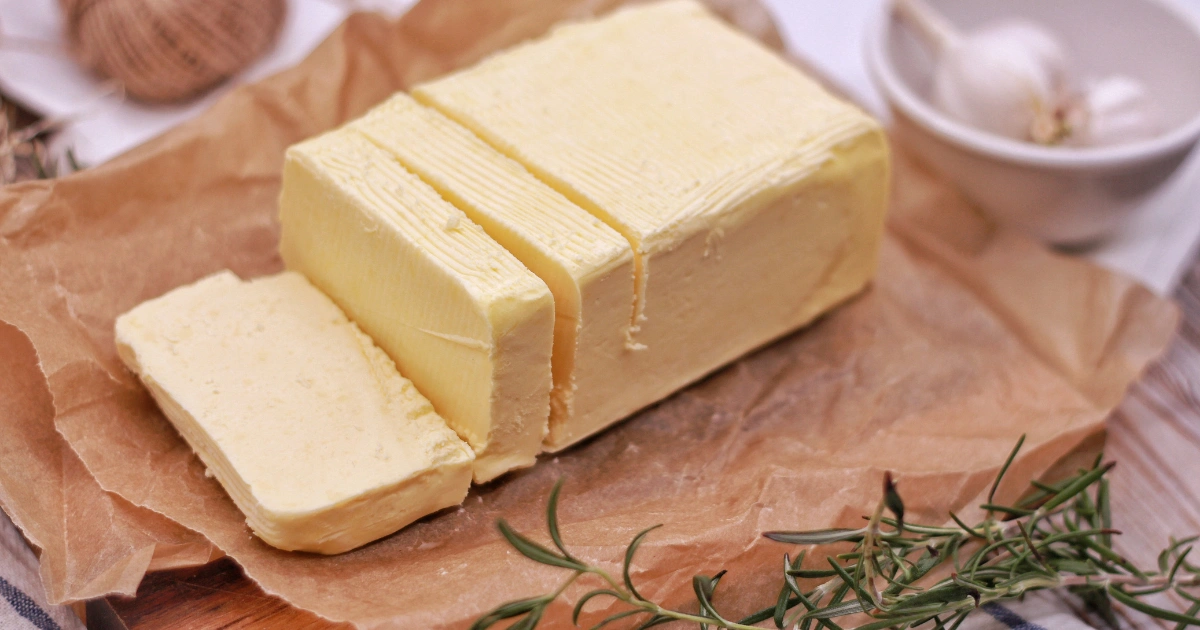
Brown butter is one of the simplest kitchen techniques that can completely transform the flavor of food. With just one ingredient and a few extra minutes on the stove, ordinary butter develops deep nutty, caramel-like notes that add richness and complexity to both sweet and savory recipes.
From cookies and cakes to pasta sauces and roasted vegetables, brown butter has become a favorite ingredient among professional chefs and home bakers alike. Although it starts as regular butter, the cooking process creates entirely new flavors through a powerful chemical reaction known as the Maillard reaction.
Understanding how brown butter works can help improve your cooking, prevent burning, and unlock more flavor in everyday recipes.
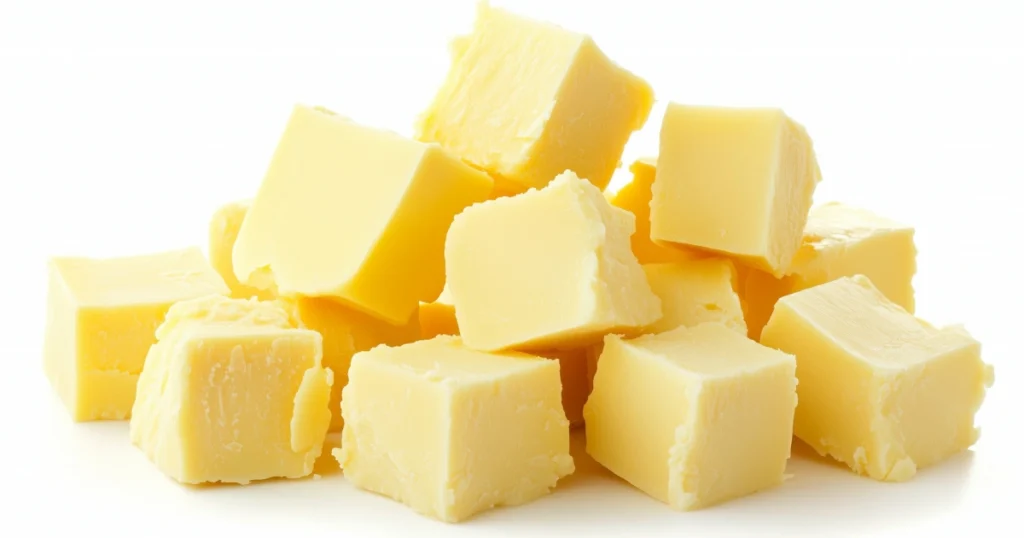
What Is Brown Butter?
Brown butter, also known as beurre noisette in French cuisine, is butter that has been gently cooked until the milk solids turn golden brown.
During cooking:
- Water evaporates
- Milk proteins separate
- Sugars and proteins brown
- Aromatic flavor compounds develop
The result is a rich butter with:
- Nutty aroma
- Toasted flavor
- Caramel-like depth
- Golden amber color
Brown butter tastes noticeably different from melted butter because its chemical structure changes during heating.
Why Brown Butter Tastes So Different
The dramatic flavor change happens because of the Maillard reaction.
What Is the Maillard Reaction?
The Maillard reaction is a chemical process that occurs when proteins and sugars are exposed to heat.
This reaction creates:
- Hundreds of new flavor compounds
- Toasted aromas
- Nutty flavors
- Deep golden color
It is the same process responsible for:
- Toasted bread
- Seared steak
- Roasted coffee
- Baked cookies
In brown butter, the milk solids are the key component that browns and develops flavor.
The Three Stages of Brown Butter
Understanding the stages makes it easier to cook butter properly without burning it.
Stage 1: Water Evaporation (Around 212°F)
Butter contains:
- Water
- Milk solids
- Butterfat
As butter melts, the water begins evaporating.
What You’ll Notice
- Butter melts completely
- Bubbling starts
- Surface appears cloudy
- Steam rises from the pan
At this stage, the butter still tastes similar to regular melted butter.
Stage 2: Foaming Stage (Around 230°F)
As more water cooks off, the butter begins foaming heavily.
What Happens Here
- Bubbling becomes more intense
- Foam covers the surface
- Milk solids start separating
This stage is important because it prepares the milk solids for browning.
The aroma also begins changing from creamy to slightly toasted.
Stage 3: Browning and Maillard Reaction (250–300°F)
This is the transformation stage.
The milk solids toast and turn golden brown, creating the signature flavor of brown butter.
Flavor Notes Developed
- Hazelnut
- Caramel
- Toffee
- Toasted sugar
- Warm nuttiness
The butter changes from pale yellow to deep amber.
Tiny brown specks appear at the bottom of the pan. These browned milk solids contain most of the flavor.
How to Make Brown Butter Correctly
Brown butter is simple to make, but timing matters.
Ingredients
- Unsalted butter
Equipment
- Light-colored pan
- Wooden spoon or spatula
A light-colored pan helps you see when the milk solids turn brown.
Step-by-Step Instructions
1. Melt the Butter
Place butter in a saucepan over medium heat.
2. Watch the Bubbling
The butter will bubble and foam as water evaporates.
3. Stir Occasionally
Gently stir to prevent uneven cooking.
4. Look for Golden Brown Specks
Once the foam settles slightly, check the bottom of the pan.
5. Smell the Aroma
The butter should smell nutty and toasted, not burnt.
6. Remove Immediately
Brown butter can burn quickly after reaching the perfect stage.
Transfer it to another container to stop cooking.
How Brown Butter Changes Recipes
Brown butter adds depth and richness that regular butter cannot provide.
Brown Butter in Baking
Brown butter works especially well in:
- Chocolate chip cookies
- Pound cake
- Brownies
- Banana bread
- Frostings
Why Bakers Love It
- Enhances caramel flavors
- Adds complexity
- Creates richer aroma
- Improves cookie texture
Brown butter cookies often taste more bakery-style and sophisticated.
Brown Butter in Savory Cooking
Brown butter also elevates savory dishes.
Popular Uses
- Pasta sauces
- Sage butter sauces
- Roasted vegetables
- Seafood
- Mashed potatoes
Its nutty flavor pairs particularly well with:
- Parmesan cheese
- Garlic
- Herbs
- Squash
- Mushrooms
Common Brown Butter Mistakes
Although simple, brown butter can go wrong quickly.
Using High Heat
Too much heat burns the milk solids before proper browning occurs.
Best Solution
Use medium heat and stay attentive.
Walking Away from the Stove
Brown butter changes rapidly near the end.
A few extra seconds can turn perfect butter into burnt butter.
Confusing Browned with Burnt
Proper brown butter:
- Smells nutty
- Looks golden amber
- Has brown specks
Burnt butter:
- Smells bitter
- Appears very dark
- Tastes acrid
Using Dark Pans
Dark cookware makes it harder to monitor color changes.
A stainless steel or light-colored pan works best.
Why Professional Chefs Use Brown Butter
Chefs value brown butter because it creates concentrated flavor with minimal ingredients.
It enhances:
- Aroma
- Mouthfeel
- Depth
- Complexity
Brown butter also adds a restaurant-quality taste to simple home recipes.
Can You Store Brown Butter?
Yes.
Refrigerator Storage
- Up to 5 days in an airtight container
Freezer Storage
- Up to 3 months
You can also re-solidify brown butter and use it like regular butter in baking.
Does Brown Butter Lose Moisture?
Yes.
Because water evaporates during cooking, brown butter contains less moisture than regular butter.
This can slightly affect baking recipes, especially delicate cakes.
Some bakers add a small amount of water or extra liquid when adapting recipes.
Brown Butter vs Clarified Butter
These are different ingredients.
Brown Butter
- Milk solids remain
- Solids brown
- Nutty flavor develops
Clarified Butter
- Milk solids removed
- Pure butterfat remains
- Cleaner, neutral flavor
Clarified butter is better for high-heat cooking, while brown butter is mainly used for flavor enhancement.
Frequently Asked Questions
What does brown butter taste like?
Brown butter tastes nutty, toasted, rich, and slightly caramelized.
Can brown butter burn easily?
Yes. It can go from browned to burnt very quickly.
Why are there brown specks in brown butter?
Those are toasted milk solids that create most of the flavor.
Is brown butter healthier than regular butter?
Nutritionally they are very similar, though brown butter contains less water.
Can I use salted butter for brown butter?
Yes, but unsalted butter gives better flavor control in recipes.
Final Thoughts
Brown butter is a perfect example of how simple cooking science can dramatically improve flavor. Through the Maillard reaction, ordinary butter transforms into a rich ingredient with toasted, caramel-like depth that enhances both sweet and savory dishes.
Whether used in cookies, pasta, sauces, or cakes, brown butter adds warmth and complexity that makes recipes taste more refined and memorable.
Learning to make brown butter properly is a small kitchen skill that delivers impressive results with minimal effort.
Backbiome is an advanced daily wellness supplement formulated to help support spinal comfort, reduce feelings of built-up tension, and promote freer, smoother movement throughout backbiome everyday life.
Boostaro is a modern men’s wellness boostaro formula created to support daily vitality, stamina, and confidence through a practical, natural routine.
Sau thời gian dùng thử pikashow watch , mình thấy đây là lựa chọn khá tốt để giải trí online. TONY07-08