
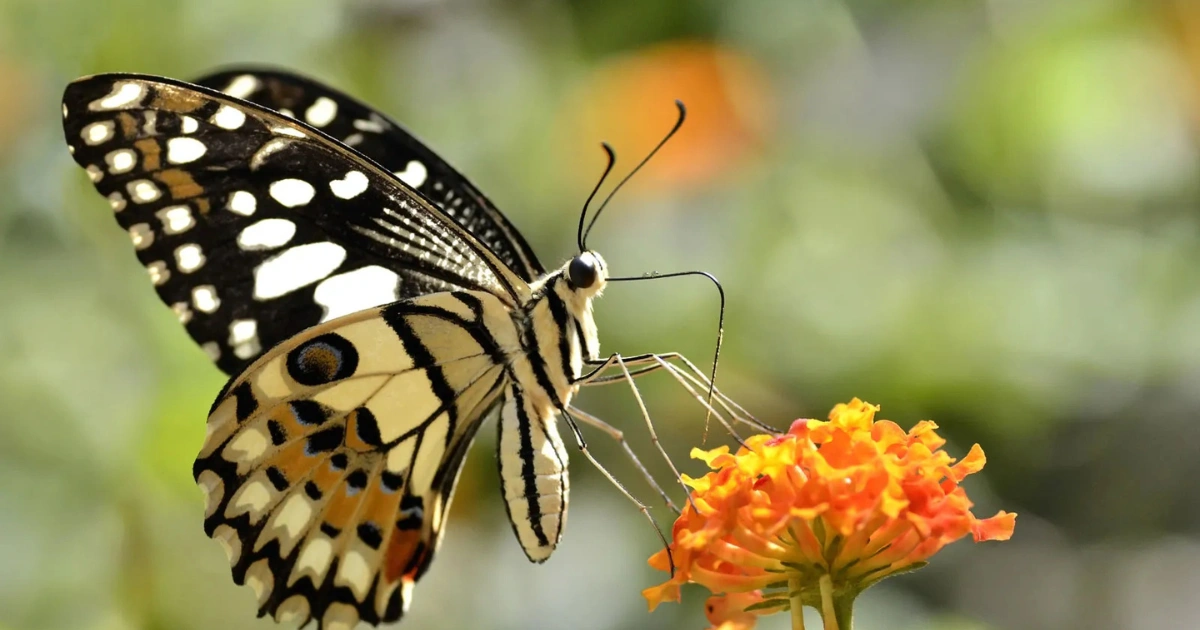
The monarch butterfly is one of the most recognizable insects in the world, admired for its vibrant orange wings and remarkable migration. However, many butterfly species closely resemble monarchs, making identification challenging even for experienced observers. Understanding monarch butterfly lookalikes is essential for gardeners, nature enthusiasts, and conservationists who want to support pollinators effectively.
In this guide, you will learn how to distinguish monarchs from similar species, explore key butterfly identification tips, and understand why each species plays an important role in ecosystems.
What Are Monarch Butterfly Lookalikes?
Monarch butterfly lookalikes are species that share similar colors, wing patterns, or sizes with the monarch (Danaus plexippus). These similarities are often the result of evolutionary strategies such as mimicry, which helps butterflies avoid predators.
While they may appear nearly identical at first glance, each species has unique traits that set it apart.
Why Accurate Identification Matters
Correctly identifying butterfly species is more than a hobby—it contributes to environmental awareness and conservation.
- Helps track monarch populations and migration patterns
- Supports pollinator-friendly gardening practices
- Prevents confusion when reporting sightings
- Encourages biodiversity protection
Recognizing differences ensures that conservation efforts are directed where they are most needed.
Common Monarch Butterfly Lookalikes
Below are some of the most frequently confused species, along with simple ways to tell them apart.
Viceroy Butterfly (Limenitis archippus)
The viceroy is the most famous monarch mimic.
- Slightly smaller than a monarch
- Distinct black line across the hind wings
- Similar orange and black pattern
Unlike monarchs, viceroys were once thought to mimic toxicity, but research suggests both species may be unpalatable to predators.
Queen Butterfly (Danaus gilippus)
Closely related to the monarch, the queen butterfly shares many features.
- Darker orange or brown coloration
- White spots scattered across wings
- Slower, more gliding flight pattern
Queens are often found in warmer southern regions.
Soldier Butterfly (Danaus eresimus)
Another close relative, the soldier butterfly can be mistaken for a monarch.
- Deeper reddish-orange tone
- Fewer black veins
- More uniform wing color
This species is typically found in the southern United States and tropical regions.
Painted Lady (Vanessa cardui)
A widespread species known for its adaptability.
- Orange with black and white markings
- Smaller and more patterned than monarchs
- Fast and erratic flight
Painted ladies are one of the most globally distributed butterflies.
Red Admiral (Vanessa atalanta)
A bold and striking species.
- Dark wings with bright red-orange bands
- White spots near the tips
- Prefers wooded areas and gardens
Its coloration is quite different up close but can cause confusion at a distance.
Eastern Comma (Polygonia comma)
Named for the comma-shaped marking on its underside.
- Jagged wing edges
- Orange with dark spots
- Camouflaged underside resembling dead leaves
This butterfly is easier to identify when resting with wings closed.
Pearl Crescent (Phyciodes tharos)
A smaller butterfly often seen in open fields.
- Bright orange with black markings
- Smaller size than monarchs
- Quick, low flight
Eastern Tiger Swallowtail (Papilio glaucus)
Though larger and yellow, it is sometimes mistaken from afar.
- Yellow wings with black stripes
- Distinct tail-like extensions
- Graceful gliding flight
Fritillary Butterflies
Several fritillary species resemble monarchs in color.
Examples include:
- Great Spangled Fritillary (Speyeria cybele)
- Gulf Fritillary (Agraulis vanillae)
- Regal Fritillary (Speyeria idalia)
They typically have more intricate patterns and silver spots on the underside.
Key Differences Between Monarchs and Lookalikes
To confidently identify monarch butterfly lookalikes, focus on these features:
- Wing veins: Monarchs have bold black veins; lookalikes may have thinner or fewer lines
- Color tone: Monarchs display a bright orange, while others may appear darker or more reddish
- Wing markings: Additional lines, spots, or irregular edges can signal a different species
- Flight pattern: Monarchs glide smoothly, while many lookalikes have faster or more erratic movement
- Size and shape: Subtle differences in wingspan and edges help distinguish species
Observing these characteristics carefully can greatly improve identification accuracy.
The Role of Butterfly Mimicry
Many monarch lookalikes evolved through mimicry, a survival strategy where one species resembles another to deter predators.
There are two main types:
- Batesian mimicry: Harmless species imitate toxic ones
- Müllerian mimicry: Multiple unpalatable species resemble each other
Monarchs are toxic due to their milkweed diet, making them a model species for mimicry in nature.
Why These Butterflies Are Important
All butterfly species, including monarch butterfly lookalikes, contribute to ecosystem health.
Pollination
Butterflies help pollinate flowering plants, supporting food production and biodiversity.
Food Web Support
Their caterpillars and adults serve as food for birds and other wildlife.
Biodiversity Indicators
Butterfly populations reflect environmental health and habitat quality.
Habitat Balance
Each species plays a role in maintaining ecological balance, from plant reproduction to nutrient cycles.
Tips for Supporting Monarchs and Lookalikes
Creating a pollinator-friendly environment benefits all butterfly species.
- Plant native flowering plants for nectar
- Include host plants such as milkweed for monarchs
- Avoid chemical pesticides
- Provide sunny, sheltered areas for resting
- Maintain diverse plant species for different butterflies
Small actions in your garden can have a significant impact on butterfly populations.
FAQ About Monarch Butterfly Lookalikes
How can I quickly tell a monarch from a viceroy?
Look for the black line across the hind wing. Viceroys have it, monarchs do not.
Are monarch butterfly lookalikes harmful?
No, these butterflies are harmless and beneficial to ecosystems.
Do all lookalikes mimic monarchs for protection?
Many do, but some simply share similar colors due to evolutionary traits rather than direct mimicry.
Where are monarch lookalikes commonly found?
They are found across North America, especially in gardens, fields, and coastal areas.
Can I attract both monarchs and their lookalikes to my garden?
Yes, planting a variety of native plants will attract multiple butterfly species.
Internal Linking Suggestions
For related topics on secretsofthegreengarden.com, consider linking to:
- “How to Create a Pollinator-Friendly Garden”
- “Best Flowers to Attract Butterflies Naturally”
- “Natural Pest Control Without Chemicals”
These articles complement butterfly conservation and garden biodiversity.
External Resources for Further Reading
For accurate and research-based information, consult:
- U.S. Forest Service – Pollinator conservation: https://www.fs.usda.gov
- Xerces Society for Invertebrate Conservation: https://www.xerces.org
- National Wildlife Federation – Butterfly gardening guides: https://www.nwf.org
Conclusion
Monarch butterfly lookalikes are a fascinating example of nature’s complexity and adaptability. While they may resemble the iconic monarch, each species has its own identity, behavior, and ecological role. By learning to recognize these differences and supporting pollinator habitats, you contribute to the preservation of biodiversity and the health of natural ecosystems.
Understanding monarch butterfly lookalikes is not just about identification—it is about appreciating the intricate balance of life that surrounds us.