
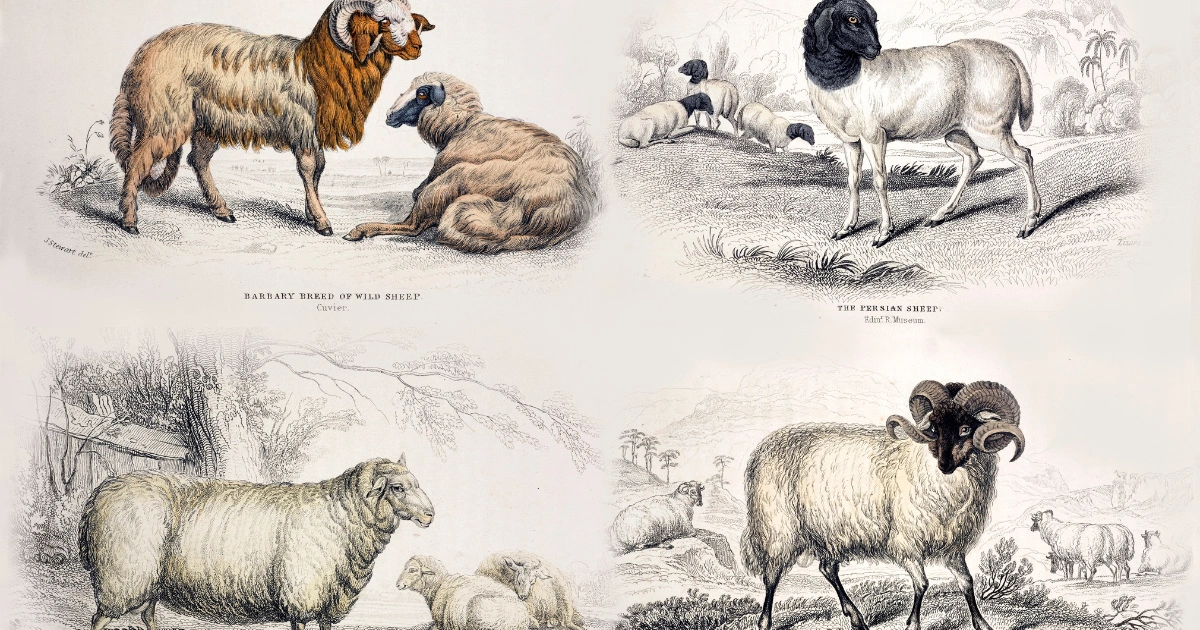
Sheep have supported human agriculture for thousands of years, providing meat, wool, milk, and natural land management. Today, dozens of breeds exist worldwide, each developed for specific climates, farming systems, and production goals.
Whether you raise livestock commercially or manage a small homestead, understanding different sheep breeds helps you choose animals that match your land, budget, and objectives.
In this guide, we explore 12 impressive sheep breeds, highlighting their strengths, characteristics, and ideal uses.
Primary keyword: sheep breeds
Why Choosing the Right Sheep Breed Matters
Not all sheep perform the same in every environment. Some excel in cold climates, others thrive in dry regions. Certain breeds are prized for fine wool, while others grow quickly for meat or require minimal maintenance.
Selecting the right sheep breeds can:
- Improve meat or wool quality
- Reduce veterinary costs
- Increase pasture efficiency
- Simplify flock management
- Boost long-term profitability
Matching breed traits with your local conditions is one of the most important decisions a shepherd can make.
12 Impressive Sheep Breeds Worth Knowing
Manchega
Originally from Spain, Manchega sheep are known for producing milk used in Manchego cheese. They adapt well to dry landscapes and offer moderate meat yields alongside dairy production.
Best for: Milk and mixed farming systems
Texel
Texel sheep are famous for lean, muscular carcasses and excellent meat quality. They grow quickly and perform well in rotational grazing systems.
Best for: Meat production
Merino
Merino sheep produce some of the finest wool in the world. Their fleece is soft, dense, and highly valued in textile markets. They also tolerate hot climates better than many wool breeds.
Best for: Premium wool
Churra
Churra sheep are hardy dairy animals traditionally raised in Spain. Their milk is commonly used for regional cheeses, and they tolerate rough terrain well.
Best for: Milk and rugged landscapes
Hampshire
Recognizable by their dark faces, Hampshire sheep grow rapidly and deliver strong meat yields. They are widely used in crossbreeding programs.
Best for: Commercial meat operations
Lincoln
Lincoln sheep stand out for their long, lustrous wool and large body size. Their fleece is often blended with finer fibers for specialty textiles.
Best for: Long wool production
ASAF
ASAF sheep are a modern dairy breed developed for high milk output. They are efficient converters of feed into milk and adapt well to intensive systems.
Best for: High-volume milk production
Norfolk
Norfolk sheep are hardy animals suited to cooler climates and open pasture systems. They are valued for balanced meat and wool traits.
Best for: Traditional pasture farming
Finnsheep
Finnsheep are famous for high fertility rates and frequent multiple births. They are often used to improve lambing performance in crossbred flocks.
Best for: Breeding programs
Sardi
Originating from North Africa, Sardi sheep tolerate heat and limited forage. They are commonly raised for meat and cultural celebrations.
Best for: Arid climates and meat
Dorper
Dorper sheep shed naturally, eliminating shearing costs. They grow fast, resist parasites well, and adapt to diverse climates.
Best for: Low-maintenance meat production
Shetland
Shetland sheep are small, hardy animals producing fine wool in many natural colors. They thrive in cold, windy environments and require minimal inputs.
Best for: Cold regions and specialty wool
Key Traits to Consider When Comparing Sheep Breeds
Before selecting your flock, evaluate these factors:
- Climate adaptability
- Feed efficiency
- Wool versus meat priorities
- Parasite resistance
- Reproductive rates
- Temperament
No single breed excels at everything. Successful farmers choose sheep breeds that align with their land and goals.
How Sheep Improve Sustainable Agriculture
Sheep contribute far beyond food production. Managed properly, they:
- Control weeds naturally
- Improve soil fertility
- Reduce fire risk through grazing
- Convert grass into valuable protein
- Support regenerative farming practices
According to the Food and Agriculture Organization, small ruminants play a critical role in sustainable rural livelihoods worldwide.
Beginner Tips for Raising Sheep Successfully
If you are new to sheep farming:
- Start with a small flock
- Choose locally adapted breeds
- Rotate pastures regularly
- Provide mineral supplements
- Maintain clean water access
- Monitor hooves and parasites
Simple management practices prevent most common problems.
Frequently Asked Questions
Which sheep breeds are best for beginners?
Dorper, Hampshire, and Shetland are beginner-friendly due to their resilience and low maintenance needs.
What sheep breed produces the best wool?
Merino sheep are globally recognized for ultra-fine wool quality.
Are hair sheep better than wool sheep?
Hair sheep like Dorper require less labor since they shed naturally, making them easier for small farms.
How many sheep can one acre support?
On average, one acre supports two to five sheep depending on pasture quality and rainfall.
Can sheep improve soil health?
Yes. Rotational grazing with sheep increases organic matter and promotes healthy microbial activity.