
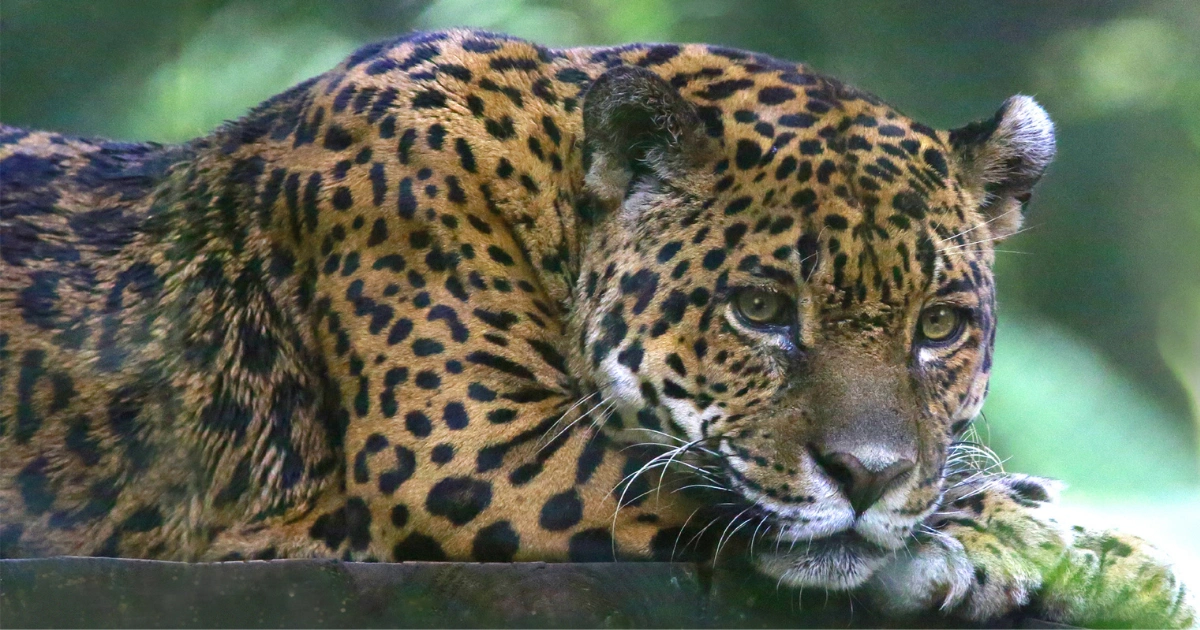
Big cats are among the most powerful and fascinating predators in the animal kingdom. While jaguars, leopards, and cheetahs may appear similar at first glance, they differ significantly in size, body structure, coat patterns, and hunting strategies. Understanding these distinctions can help wildlife enthusiasts, researchers, and safari-goers identify each species in the wild.
Jaguar (Panthera onca)
- Average Weight: 80–100 kg
- Build: Stocky, muscular, and powerful
- Coat Pattern: Rosettes with central spots
- Strengths: Jaguars have the strongest bite force of all big cats, capable of piercing skulls and shells of reptiles.
- Habitat: Primarily found in rainforests, swamps, and riverine areas in Central and South America.
- Behavior: Jaguars are ambush hunters, relying on stealth and strength rather than speed. They are excellent swimmers and often hunt aquatic prey.
Leopard (Panthera pardus)
- Average Weight: 50–70 kg
- Build: Slim, muscular, and agile
- Coat Pattern: Rosettes without central spots
- Strengths: Leopards are skilled climbers and can carry prey up trees to avoid scavengers.
- Habitat: Africa and parts of Asia, in forests, grasslands, and savannahs.
- Behavior: Opportunistic predators, leopards hunt a wide variety of prey, including small and medium-sized mammals. They rely on stealth and patience to ambush prey.
Cheetah (Acinonyx jubatus)
- Average Weight: 40–60 kg
- Build: Tall, very slender, and lightweight
- Coat Pattern: Solid round spots
- Strengths: Cheetahs are the fastest land animals, capable of speeds up to 112 km/h (70 mph) for short bursts.
- Habitat: Open savannahs and grasslands of Africa and some parts of Iran.
- Behavior: Cheetahs hunt primarily by sprinting in short, explosive chases. Their hunting technique relies on speed rather than strength.
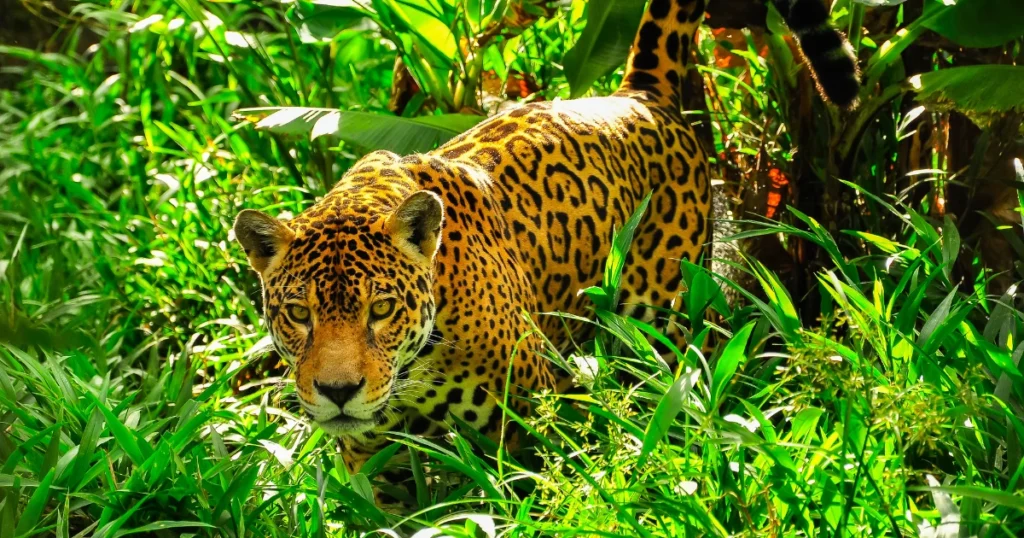
Key Differences
| Feature | Jaguar | Leopard | Cheetah |
|---|---|---|---|
| Weight Range | 80–100 kg | 50–70 kg | 40–60 kg |
| Build | Stocky, strong | Slim, muscular | Slender, tall |
| Coat Pattern | Rosettes w/ spots | Rosettes w/o spots | Solid round spots |
| Bite Strength | Strongest among big cats | Moderate | Weakest |
| Hunting Style | Ambush & strength | Stealth & ambush | Sprint & chase |
Tips for Identification
- Look at body shape: Stocky vs. slender.
- Observe the spot pattern: Rosettes with or without central spots vs. solid spots.
- Consider habitat and geographic location.
- Watch movement style: Jaguars and leopards are stealthy, while cheetahs are fast sprinters.
Conclusion
Each big cat has evolved unique adaptations to survive in its environment. Jaguars emphasize strength and ambush power, leopards combine agility and stealth, and cheetahs maximize speed. Recognizing these traits can enhance your understanding of wildlife behavior and help differentiate these iconic predators in the wild.
Primary keyword: big cat comparison
Related keywords: jaguar vs leopard vs cheetah, identifying big cats, big cat species differences, wildlife identification guide, large cats in the wild, big cat spotting tips, predator adaptations, African and South American big cats