
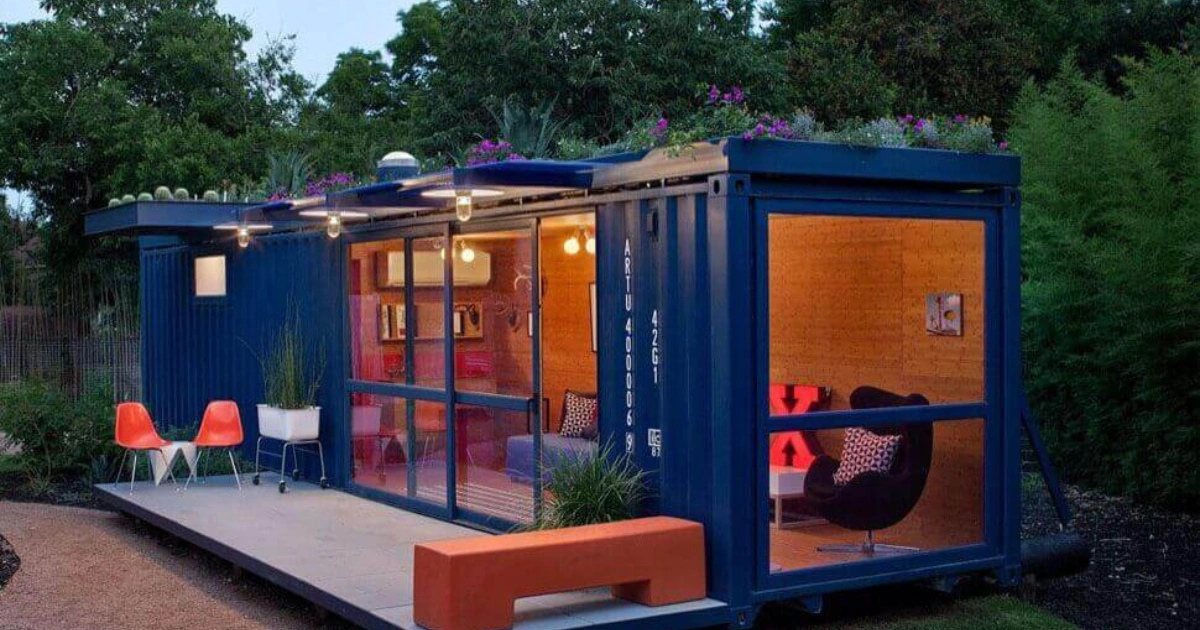
Shipping containers were once associated only with ports, cargo ships, and industrial logistics. Today, they are being transformed into thoughtfully designed homes that offer comfort, privacy, and modern aesthetics. What was once raw steel is now being reimagined as a warm, livable sanctuary.
This evolution reflects a growing shift in housing design. Rising construction costs, environmental concerns, and changing lifestyles have encouraged architects and homeowners to explore alternatives to traditional building methods. Shipping container homes are no longer experimental concepts. They are practical, adaptable, and increasingly desirable living spaces.
Why Shipping Container Homes Are Gaining Popularity
Shipping container homes appeal to people looking for flexible, efficient, and sustainable housing solutions. Containers are widely available, structurally strong, and modular by nature. These characteristics allow for creative layouts that can be expanded, reconfigured, or relocated as life circumstances change.
Because containers are designed to withstand harsh ocean environments, they provide a durable foundation for residential construction. When combined with proper insulation, ventilation, and finishes, they meet modern comfort standards while reducing material waste.
From Industrial Shell to Livable Architecture
The “Before” Stage: Raw Potential
Unmodified shipping containers appear rigid and utilitarian. Stacked steel boxes with corrugated walls and sharp edges resemble a construction site more than a home. However, this industrial appearance hides significant design potential.
Their uniform dimensions make planning precise and efficient. Containers can be stacked vertically, arranged horizontally, or combined to create open-plan layouts. What initially looks harsh becomes a flexible structural system for creative architecture.
The “After” Stage: A Modern Living Space
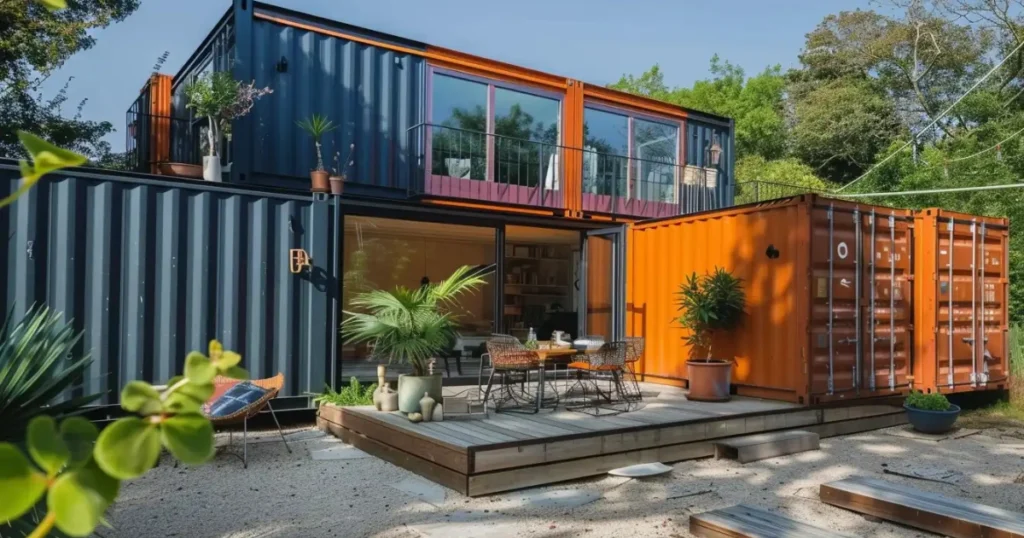
Through thoughtful design, container homes can feel warm, open, and refined. Steel walls are cut to introduce large windows and glass doors, allowing natural light to flow inside. Wood, stone, and neutral finishes soften interiors, while greenery adds life and contrast.
This transformation proves that materials do not define comfort. Design choices do. With the right approach, container homes rival high-end modern residences.
Courtyard-Centered Design: The Heart of the Home
One of the most effective design strategies in container housing is the inward-facing courtyard layout. Instead of orienting rooms outward, containers are arranged around a central open space.
Benefits of a Courtyard Layout
A central courtyard creates privacy while maximizing light and airflow. It shields the home from outside noise and wind, making it especially suitable for urban or dense environments. Every room benefits from views and access to the shared outdoor space.
Courtyards also address a common concern about container homes feeling narrow. By opening inward, the layout creates a sense of openness and balance, even on smaller plots of land.
Indoor-Outdoor Living Made Simple
Sliding doors, decks, and shaded walkways allow interior spaces to flow naturally into the courtyard. Pools, gardens, or seating areas become extensions of the living space rather than separate zones.
This design supports relaxed living and social interaction while maintaining a calm, protected atmosphere.
Balancing Privacy and Connection
Shipping container homes are well suited to layouts that separate private and shared spaces without isolation. Bedrooms can be placed in quieter sections, while kitchens and living rooms open toward communal areas.
Because containers are modular, designers can clearly define zones while preserving visual continuity. This balance makes container homes appealing to families, couples, and even multi-generational households.
Key Advantages of Container Home Construction
Structural Strength
Shipping containers are built to handle heavy loads and extreme conditions. When properly treated and reinforced, they provide a strong and resilient structural base.
Modular Flexibility
One of the greatest strengths of container homes is adaptability. Homeowners can add new containers as needs change, reconfigure layouts, or design future expansions without major structural disruption.
Sustainability Benefits
Reusing shipping containers reduces the need for new raw materials and limits construction waste. When paired with energy-efficient insulation, passive solar design, and renewable systems, container homes can significantly reduce environmental impact.
This approach aligns with sustainable building practices without sacrificing comfort or design quality.
Addressing Common Misconceptions
Comfort and Temperature Control
Some people assume container homes are uncomfortable due to steel construction. In reality, proper insulation, ventilation, and window placement are essential and effective. Well-designed container homes maintain stable indoor temperatures year-round.
Appearance and Design Limitations
Container homes do not have to look industrial. Exterior cladding, landscaping, and architectural detailing can make them indistinguishable from conventional modern houses.
Longevity and Maintenance
With rust prevention, protective coatings, and routine maintenance, container homes can last for decades. Their lifespan is comparable to many traditional building systems.
Redefining the Meaning of Home
Perhaps the most compelling aspect of container homes is the shift in perception they inspire. Many people assume living in a container means living in a box. Seeing a well-designed container home challenges that belief instantly.
These homes demonstrate that comfort, beauty, and identity are not tied to traditional materials. They are shaped by creativity, intention, and thoughtful design.
Container homes are not just alternative housing. They represent a reimagining of what home can be in a changing world.
Frequently Asked Questions
Are shipping container homes legal to build?
Regulations vary by location. Some regions allow container homes under existing residential codes, while others require specific permits. Local authorities should always be consulted.
Are container homes affordable?
Costs depend on design, finishes, and site conditions. While structural costs may be lower, high-quality insulation and customization influence the final budget.
Can container homes be customized?
Yes. Container homes are highly customizable, from layout and size to materials and finishes.
Are container homes suitable for families?
When designed properly, container homes can comfortably accommodate families with separate bedrooms, shared living areas, and outdoor spaces.
Do container homes retain value?
Well-built container homes that meet building codes can retain value, particularly as interest in sustainable housing continues to grow.
Internal Linking Suggestions
From secretsofthegreengarden.com, consider linking to:
- Sustainable Garden Design Ideas for Modern Homes
- Small Space Living Solutions That Actually Work
- Eco-Friendly Building Materials for the Future
External High-Authority Sources
For further information and research:
- U.S. Green Building Council resources on sustainable construction
- MIT research on modular and prefabricated housing
- International Energy Agency publications on energy-efficient buildings
Final Thoughts
Shipping container homes represent a thoughtful response to modern housing challenges. By transforming industrial steel into inviting living spaces, they prove that innovation and comfort can coexist.
From steel to sanctuary, container homes show that the future of housing is defined not by tradition, but by creativity, adaptability, and intention.