
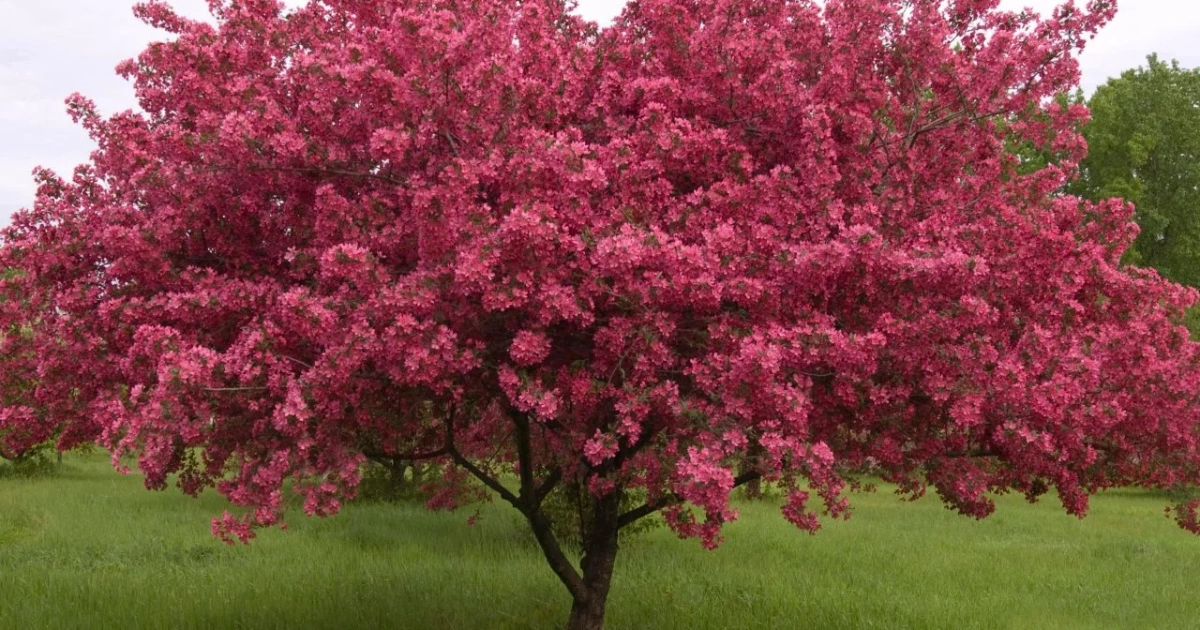
Flowering trees have a unique ability to change the atmosphere of a garden almost overnight. As soon as their buds open, they introduce color, structure, and a sense of seasonal rhythm that few other plants can match. Whether blooming in early spring or carrying flowers deep into summer, these trees create visual interest while also supporting pollinators and enhancing overall landscape value.
This guide explores some of the most admired flowering trees for home gardens, explains when and how they bloom, and shows how to combine them for year-round beauty. It is designed to help gardeners choose the right species for lasting impact and long-term success.
Primary keyword: flowering trees for gardens
Why Flowering Trees Are Essential in Garden Design
Flowering trees for gardens are more than decorative elements. They serve as focal points, provide shade, and create a strong sense of place. When chosen carefully, they offer benefits across multiple seasons.
Key advantages include:
- Strong visual impact with minimal maintenance once established
- Seasonal variety through changing blooms, foliage, and bark
- Increased biodiversity by attracting bees, butterflies, and birds
- Improved property value and curb appeal
Because many flowering trees grow slowly and live for decades, they become permanent anchors in the landscape rather than temporary accents.
Early Spring Bloomers: Welcoming the New Season
Magnolia Trees
Magnolias are among the first flowering trees to announce the arrival of spring. Their large, sculptural blossoms appear before the leaves, creating a dramatic display against bare branches.
Magnolias prefer well-drained soil and full sun to partial shade. Once established, they require little pruning and reward patience with increasingly abundant blooms each year.
Related terms naturally used here include ornamental trees, spring-flowering trees, and landscape focal trees.
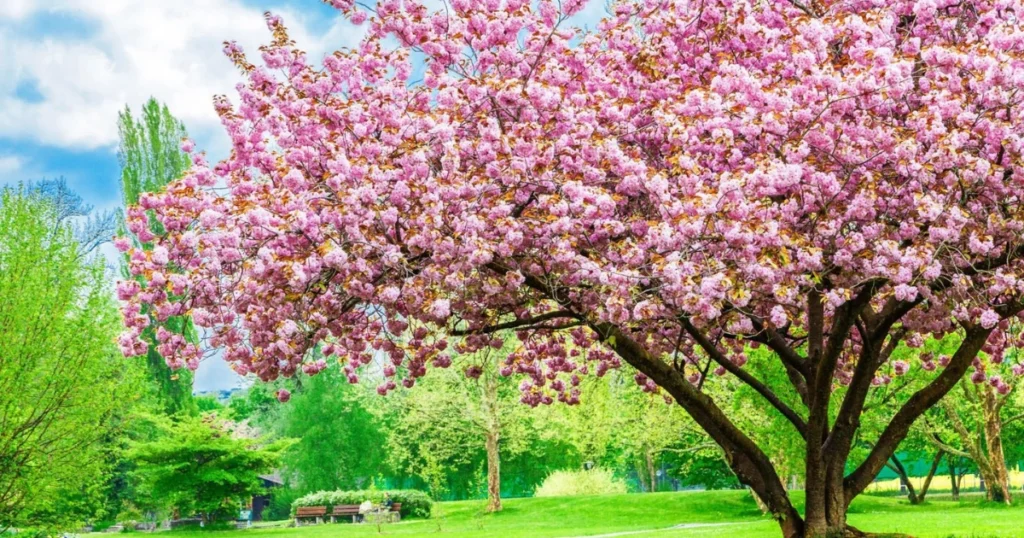
Cherry Blossom Trees
Cherry blossom trees are famous for their short but unforgettable flowering period. Their soft pink or white blooms create a cloud-like effect that transforms gardens into serene spring scenes.
Although the flowering window is brief, the visual impact is intense. These trees thrive in temperate climates and benefit from good air circulation to prevent fungal issues.
Tulip Trees
Tulip trees combine height, elegance, and distinctive flowers. Their tulip-shaped blooms appear slightly later in spring and are often accompanied by bright green, uniquely shaped leaves.
These trees are ideal for larger gardens where vertical interest is needed. Their fast growth rate and long lifespan make them a popular choice for long-term planning.
Eastern Redbud: Color on Bare Branches
The Eastern redbud stands out for its ability to bloom directly on its branches and trunk, a phenomenon known as cauliflory. In early spring, clusters of pink to purple flowers emerge before any foliage appears.
This tree is well-suited to small and medium gardens. It tolerates partial shade and adapts well to various soil types, making it accessible for beginner gardeners.
Summer-Flowering Trees for Long-Lasting Color
Crape Myrtle
Crape myrtle is valued for its extended flowering season, often lasting from early summer into autumn. Its flowers come in shades of pink, red, purple, and white, offering flexibility in color schemes.
Beyond flowers, crape myrtle provides peeling bark and attractive fall foliage, adding multi-season interest. It performs best in full sun and warm climates.
Dogwood Trees
Dogwood trees bridge the gap between spring and summer. Some varieties bloom later than others, extending the flowering calendar.
Their layered branching structure and showy bracts make them ideal for woodland-style gardens or as understory trees beneath taller species.
Jacaranda Trees
Jacaranda trees are known for their striking violet-blue blooms that appear in early summer. When in full flower, they create a carpet of color beneath their canopy.
These trees thrive in warm regions and require space to spread. Their fern-like foliage adds a light, airy texture even after the flowers fade.
Trees That Add Texture and Subtle Beauty
Serviceberry
Serviceberry trees offer delicate white flowers in spring, followed by edible berries and vibrant fall foliage. While their blooms may be understated compared to magnolias or cherries, they provide elegance and ecological value.
Birds are particularly attracted to serviceberries, making them a strong choice for wildlife-friendly gardens.
Golden Rain Tree
The golden rain tree brings a different kind of charm with its bright yellow summer flowers and lantern-like seed pods. These features add movement and texture rather than dense color.
It is drought-tolerant once established and adapts well to urban environments, making it suitable for modern landscapes.
How to Combine Flowering Trees for Year-Round Interest
A successful garden does not rely on a single flowering event. Instead, it layers bloom times and textures to maintain visual interest across seasons.
Effective strategies include:
- Pairing early spring bloomers with summer-flowering trees
- Mixing large statement trees with smaller ornamental species
- Combining bold flower colors with subtle textures
- Considering fall foliage and winter bark as secondary features
By planning bloom succession, flowering trees for gardens become part of a continuous visual story rather than isolated moments.
Planting and Care Tips for Long-Term Success
Proper planting and care determine how well flowering trees perform over time.
Important guidelines:
- Choose species suited to your climate zone and soil type
- Plant at the correct depth, avoiding buried root flares
- Water consistently during the first two growing seasons
- Prune only when necessary and at the correct time of year
Most flowering trees require minimal intervention once established, making them ideal for gardeners seeking beauty without excessive upkeep.
Common Mistakes to Avoid
Many problems with flowering trees stem from avoidable errors.
Be cautious of:
- Over-pruning, which reduces flowering potential
- Planting in areas with poor drainage
- Choosing trees that outgrow their space
- Ignoring sunlight requirements
Understanding the mature size and natural growth habit of each tree prevents costly mistakes later.
Environmental and Ecological Benefits
Beyond aesthetics, flowering trees contribute to healthier ecosystems. They provide nectar for pollinators, shelter for birds, and improved air quality.
According to research from university extension services, diverse tree plantings increase resilience against pests and climate stress while supporting local wildlife populations.
Frequently Asked Questions
What are the easiest flowering trees for beginners?
Crape myrtle, Eastern redbud, and serviceberry are among the easiest flowering trees for gardens due to their adaptability and low maintenance needs.
How long does it take for a flowering tree to bloom after planting?
Most flowering trees bloom within two to five years after planting, depending on species, size at planting, and growing conditions.
Can flowering trees grow in small gardens?
Yes. Many species, such as redbud and dogwood, are well-suited to small spaces when properly placed.
Do flowering trees require a lot of pruning?
No. Most flowering trees only need occasional pruning to remove dead or crossing branches. Excessive pruning can reduce blooms.
Are flowering trees good for pollinators?
Yes. Flowering trees are valuable early and late-season nectar sources for bees, butterflies, and other pollinators.
Internal Linking Suggestions
For deeper exploration on related topics, consider linking to these relevant articles from secretsofthegreengarden.com:
- Best Ornamental Trees for Small Gardens
- How to Design a Four-Season Garden
- Native Trees That Support Pollinators
External Authority Sources
For additional, non-competing reference material, these high-authority resources provide reliable information:
- U.S. Forest Service – Urban Tree Selection and Benefits
- University Extension Services – Flowering Tree Care and Selection
- Royal Horticultural Society – Ornamental Trees for Gardens
Creating a Garden Full of Seasonal Color
Incorporating flowering trees for gardens is one of the most effective ways to create a welcoming, dynamic outdoor space. From the first blossoms of spring to the long-lasting blooms of summer, these trees provide structure, color, and ecological value year after year.
With thoughtful selection and proper care, flowering trees become lasting companions in the landscape, enriching both the garden and the lives of those who enjoy it.