
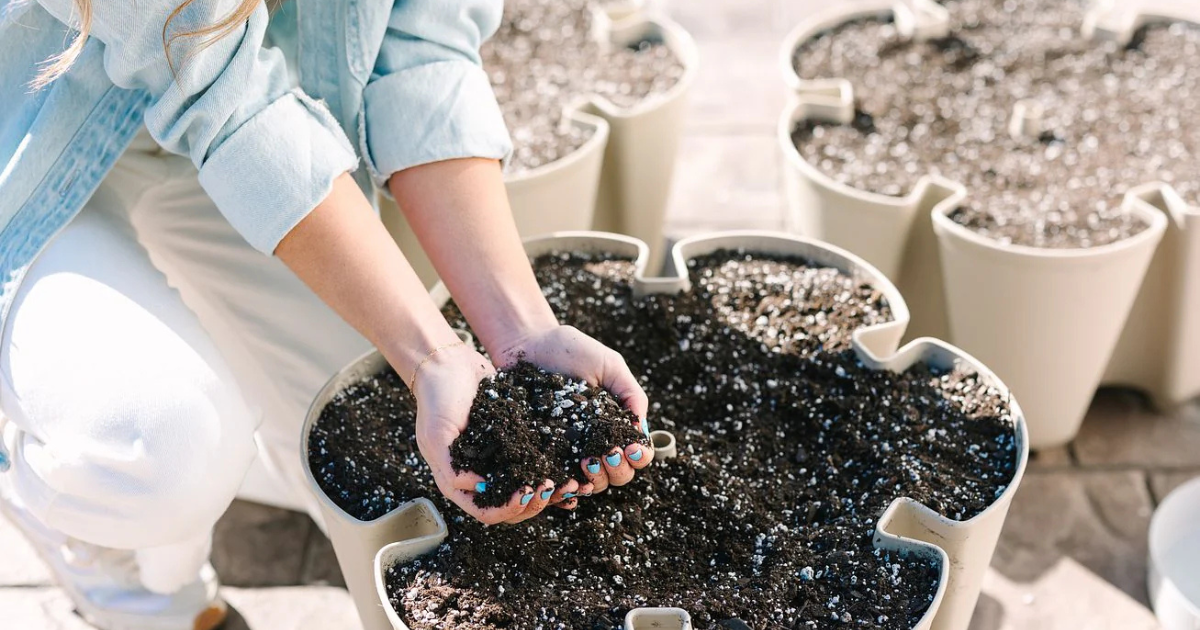
Healthy plants begin with healthy soil. While fertilizers and watering routines are important, your garden soil often provides clear clues about what it needs. By paying attention to its texture, color, moisture, and structure, you can identify potential problems before they affect plant growth.
This guide explains six common signs of unhealthy garden soil, what they may indicate, and practical ways to improve soil health naturally.
Why Soil Health Matters
Healthy soil does much more than hold plants upright. It provides water, nutrients, oxygen, and a home for beneficial organisms that support root development.
Good garden soil should:
- Drain well without drying out too quickly.
- Hold enough moisture for plant roots.
- Contain plenty of organic matter.
- Support earthworms and beneficial microbes.
- Allow roots to grow freely.
Learning to recognize changes in your soil is one of the best ways to grow stronger, healthier plants.
1. Pale, Powdery Soil When Dry
If your soil becomes pale, dusty, or powdery after drying, it may contain very little organic matter.
Organic matter helps soil retain moisture, improve structure, and provide nutrients for plants.
What You Can Do
Improve the soil by adding:
- Finished compost
- Well-aged manure
- Leaf mold
- Shredded leaves
Work organic material into the top 6 to 8 inches of soil before planting, then continue adding compost each growing season.
2. Cracks When Dry but Puddles After Rain
Soil that forms deep cracks during dry weather yet remains waterlogged after rainfall is often heavy clay soil.
Clay particles pack tightly together, making drainage slow while becoming extremely hard when dry.
How to Improve Clay Soil
Rather than adding sand alone, which may worsen compaction, try incorporating:
- Compost
- Leaf mold
- Well-rotted organic matter
- Fine bark compost
Over time, these materials improve soil structure and drainage.
3. Water Disappears Almost Immediately
If water drains away within seconds, your soil may be sandy.
While sandy soil drains well, it often struggles to retain moisture and nutrients, requiring more frequent watering.
How to Improve Sandy Soil
Increase water-holding capacity by adding:
- Compost
- Coconut coir
- Leaf mold
- Organic mulch
Applying mulch also helps reduce evaporation during hot weather.
4. Very Few Earthworms
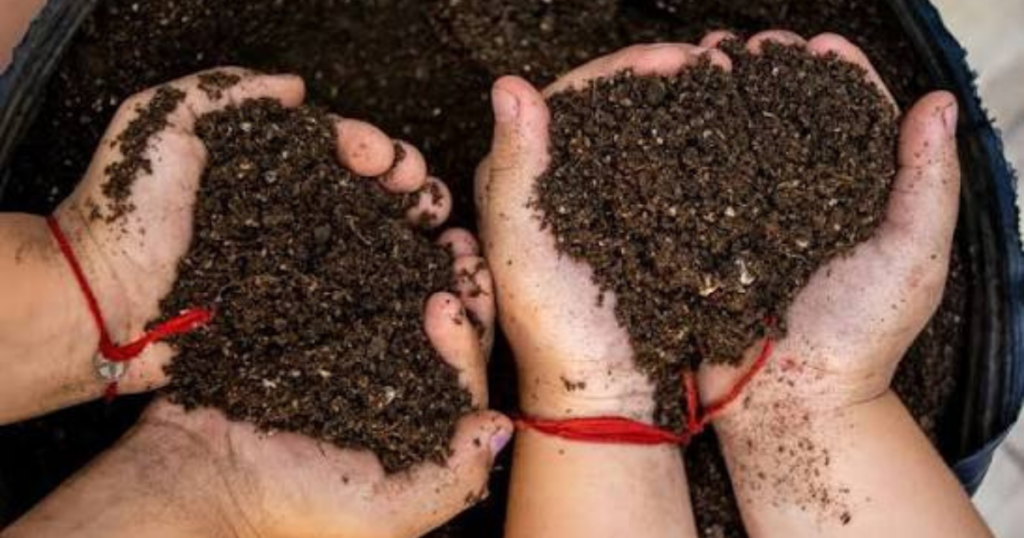
Earthworms are excellent indicators of healthy soil.
A thriving garden often contains several earthworms in every shovelful of soil.
Very low worm activity may suggest:
- Low organic matter
- Soil compaction
- Excessive tilling
- Overuse of certain chemicals
How to Encourage Earthworms
To create better conditions:
- Add compost regularly.
- Leave organic mulch on the soil surface.
- Reduce unnecessary digging.
- Avoid overusing synthetic chemicals when possible.
Healthy soil biology usually improves gradually over time.
5. Soil Cracks and Water Pools Despite Regular Watering
Sometimes poor plant growth isn’t caused by watering alone.
If the soil both cracks when dry and develops puddles after irrigation, the problem may involve soil structure or pH rather than a lack of water.
Most vegetables perform best in soil with a pH between 6.0 and 7.0.
What You Can Do
Before adding soil amendments, consider testing your soil.
A soil test can provide valuable information about:
- Soil pH
- Nutrient levels
- Organic matter
- Recommended amendments
Testing first helps avoid applying unnecessary products.
6. Water Beads on the Surface
If irrigation water sits on top of the soil instead of soaking in, the soil may have become hydrophobic.
This condition often develops after prolonged dry periods, particularly in sandy or organic soils.
How to Restore Water Absorption
Try these techniques:
- Water slowly instead of all at once.
- Apply compost around the planting area.
- Use mulch to reduce future drying.
- Repeat light watering several times until moisture begins soaking into the soil.
Gradual watering is often more effective than one heavy application.
Additional Ways to Build Healthy Garden Soil
Improving soil is an ongoing process rather than a one-time task.
Good practices include:
- Adding compost every year.
- Rotating crops.
- Growing cover crops during the off-season.
- Avoiding unnecessary soil compaction.
- Keeping soil covered with mulch whenever possible.
These habits help create a healthier environment for roots and beneficial organisms.
Common Soil Improvement Mistakes
Many gardeners unintentionally make soil problems worse.
Avoid these common mistakes:
- Adding sand directly to heavy clay soil without compost.
- Overwatering poorly drained soil.
- Leaving bare soil exposed to the sun.
- Applying fertilizer without testing soil first.
- Digging excessively when the soil is wet.
Small improvements made consistently usually produce better long-term results than drastic changes.
Frequently Asked Questions
How can I tell if my soil needs more organic matter?
Pale color, poor moisture retention, hard texture, and limited earthworm activity are common signs that additional organic matter may be beneficial.
Should I add sand to clay soil?
Generally, no. Compost and other organic materials are usually more effective at improving clay soil structure than sand alone.
Why does my soil repel water?
Very dry soil can become hydrophobic, causing water to bead on the surface. Slow watering and adding compost can often improve water absorption.
Is a soil test really necessary?
A soil test provides valuable information about pH and nutrient levels, helping you choose the most appropriate amendments instead of relying on guesswork.
How often should compost be added?
Many gardeners add compost once or twice each year, particularly before planting in spring and after harvesting in fall.
Final Thoughts
Your garden soil constantly provides clues about its condition. By observing how it looks, feels, and responds to water, you can identify common problems early and make informed improvements.
Healthy soil is built gradually through regular additions of organic matter, careful watering, and good gardening practices. With time, these simple steps create stronger roots, healthier plants, and a more productive garden.
Internal Linking Suggestions
Consider linking this article to related content on secretsofthegreengarden.com, such as:
- How to Make Compost at Home
- Natural Ways to Improve Garden Soil
- Raised Bed Gardening for Beginners
Recommended External Sources
For additional information on soil management, consult:
- USDA Natural Resources Conservation Service
- Cornell Cooperative Extension
- University of California Agriculture and Natural Resources
Primary Keyword: garden soil health
Related Keywords: healthy garden soil, soil improvement, compost for gardens, clay soil, sandy soil, soil drainage, soil organic matter, garden soil problems.
Meta Description: Learn how to recognize six common signs of unhealthy garden soil and discover practical, natural ways to improve soil structure, drainage, moisture retention, and overall plant health.