
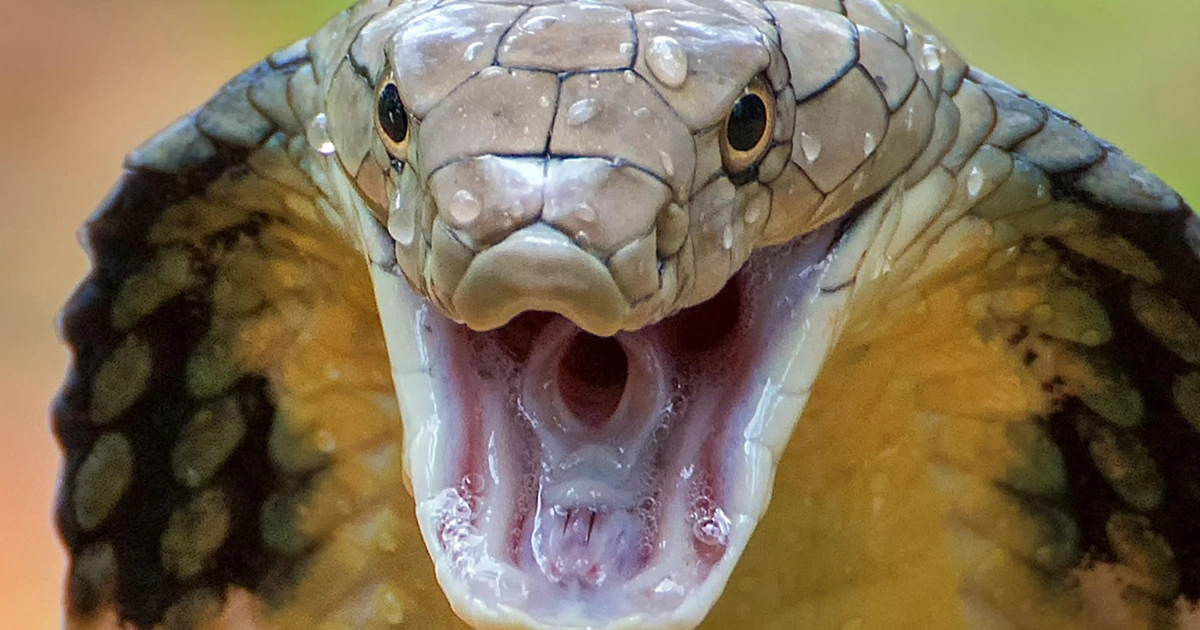
Snakes are among the most misunderstood animals on Earth. While most species are harmless to humans, a small number possess highly potent venom capable of causing severe injury or death. These venomous snakes have evolved specialized toxins for hunting prey and self-defense, making them some of the most fascinating reptiles in the natural world.
Understanding the world’s deadliest snakes is important not only for safety and awareness but also for appreciating their ecological role in controlling rodent populations and supporting biodiversity. Despite their dangerous reputation, snakes rarely attack humans unless threatened or disturbed.
What Makes a Snake Deadly?
A snake’s danger level depends on several factors, not just venom potency alone. Scientists typically evaluate deadly snakes based on:
- Venom toxicity
- Amount of venom delivered
- Speed of venom action
- Aggression and defensive behavior
- Frequency of human encounters
- Availability of medical treatment
Some snakes possess extremely toxic venom but rarely encounter people, while others cause large numbers of bites because they live near human settlements.
Inland Taipan: The Most Venomous Snake
Why the Inland Taipan Is So Dangerous
The inland taipan (Oxyuranus microlepidotus) is widely considered the most venomous snake in the world based on venom toxicity. Native to Australia, this elusive snake produces an extremely powerful neurotoxic venom capable of affecting the nervous system rapidly.
Fortunately, inland taipans are shy and rarely interact with humans.
Key Characteristics
- Found in remote Australian regions
- Highly potent venom
- Fast and accurate strikes
- Generally reclusive behavior
Because of its isolated habitat, confirmed human fatalities are extremely rare.
Black Mamba: Africa’s Fast and Fearsome Snake
Speed and Aggression
The black mamba (Dendroaspis polylepis) is one of Africa’s most feared snakes. Known for its speed and defensive aggression when cornered, this species can deliver multiple venomous bites in quick succession.
Its venom attacks the nervous system and can become fatal without rapid medical treatment.
Notable Features
- Extremely fast movement
- Long body length
- Highly alert behavior
- Neurotoxic venom
Despite popular myths, black mambas usually avoid confrontation whenever possible.
Eastern Brown Snake
Australia’s Dangerous Hunter
The eastern brown snake (Pseudonaja textilis) is responsible for many serious snakebite incidents in Australia due to its widespread distribution and proximity to populated areas.
Its venom can interfere with blood clotting and damage the nervous system.
Why Encounters Happen Frequently
Eastern brown snakes often inhabit:
- Grasslands
- Farms
- Rural properties
- Suburban edges
Because they hunt rodents, they may be attracted to areas near human activity.
Russell’s Viper
A Major Cause of Snakebite Fatalities
Russell’s viper (Daboia russelii) is one of Asia’s most medically significant snakes. It is widely distributed across South and Southeast Asia and is involved in many serious snakebite cases annually.
Its venom can cause:
- Internal bleeding
- Kidney damage
- Tissue destruction
- Circulatory shock
Habitat and Behavior
Russell’s vipers often live near agricultural areas where humans and rodents are common.
Their camouflage makes them difficult to spot in dry grass and farmland.
Coastal Taipan
Highly Potent Venom
The coastal taipan (Oxyuranus scutellatus) is another highly venomous Australian snake known for fast-acting venom and powerful strikes.
Although extremely dangerous, it generally avoids humans when possible.
Venom Effects
Coastal taipan venom may affect:
- Blood clotting
- Muscular function
- Nervous system activity
Rapid medical treatment is critical after any bite.
Common Krait and Malayan Krait
Nocturnal Venomous Snakes
Kraits belong to the Bungarus genus and are highly venomous snakes found throughout Asia. Both the common krait and Malayan krait possess powerful neurotoxic venom.
These snakes are particularly dangerous because they are:
- Active at night
- Often found near homes
- Difficult to notice in darkness
Symptoms of Krait Envenomation
Bites may initially cause little pain but can later result in:
- Paralysis
- Respiratory failure
- Muscle weakness
- Difficulty speaking
Immediate medical care is essential.
Saw-Scaled Viper
One of the Most Dangerous Small Snakes
The saw-scaled viper (Echis carinatus) is relatively small but highly dangerous. It is believed to contribute to many snakebite fatalities due to its aggressive defensive behavior and frequent contact with humans.
Defensive Warning Behavior
When threatened, saw-scaled vipers rub their scales together to produce a rasping sound before striking.
Their venom may cause:
- Severe bleeding
- Organ damage
- Tissue injury
- Shock
Indian Cobra
One of the Most Recognizable Snakes
The Indian cobra (Naja naja) is famous for its expandable hood and importance in South Asian culture.
Its venom affects the nervous system and may become life-threatening without treatment.
Habitat
Indian cobras commonly inhabit:
- Agricultural fields
- Forest edges
- Villages
- Areas with rodent populations
They often avoid humans but may defend themselves aggressively if threatened.
Fer-de-Lance
A Dangerous Pit Viper of the Americas
The fer-de-lance (Bothrops asper) is a highly venomous pit viper found in Central and South America.
It is responsible for many serious snakebite incidents because it frequently inhabits areas near human activity.
Venom Effects
Fer-de-lance venom can cause:
- Severe tissue destruction
- Internal bleeding
- Swelling
- Long-term injury
Prompt medical care greatly improves survival outcomes.
Why Snakes Are Important to Ecosystems
Despite their reputation, venomous snakes play vital ecological roles.
They help control populations of:
- Rodents
- Invasive pests
- Small mammals
Healthy snake populations contribute to ecosystem balance and agricultural protection.
Many snake venoms are also studied for medical research and pharmaceutical development.
Snakebite Safety Tips
How to Avoid Dangerous Encounters
To reduce snakebite risk:
- Watch where you step outdoors
- Avoid reaching into hidden spaces
- Wear boots in snake-prone areas
- Leave snakes alone if encountered
- Keep yards free of rodent infestations
What to Do After a Snakebite
If bitten by a venomous snake:
- Stay calm
- Seek emergency medical care immediately
- Limit movement
- Remove tight jewelry or clothing
- Do not attempt to suck out venom
Professional treatment and antivenom are critical.
Fascinating Facts About Venomous Snakes
- Venom evolved primarily for hunting prey.
- Not all venomous snakes are aggressive.
- Snake venom is used in some medical research.
- Many snake species help reduce crop-damaging rodents.
- Most snakes prefer escaping over attacking humans.
Frequently Asked Questions
What is the most venomous snake in the world?
The inland taipan is generally considered the most venomous snake based on venom toxicity.
Which snake causes the most human deaths?
Saw-scaled vipers and Russell’s vipers contribute to many fatalities because of frequent human encounters and limited access to treatment in some regions.
Are black mambas aggressive?
Black mambas are defensive when threatened but usually avoid humans whenever possible.
Can antivenom save snakebite victims?
Yes. Modern antivenom treatments greatly improve survival when administered quickly.
Why are snakes important in nature?
Snakes help control rodent populations and support ecological balance.
Internal Linking Suggestions
For stronger topical relevance on secretsofthegreengarden.com, consider linking to:
- “How to Create a Wildlife-Friendly Backyard Safely”
- “Understanding Beneficial Predators in Nature”
- “How Ecosystem Balance Protects Gardens Naturally”
External Linking Suggestions
For reliable wildlife and medical references, consider linking to:
- World Health Organization – Snakebite Envenoming
- Smithsonian National Zoo – Snake Facts and Conservation
- National Geographic – Snake Species and Behavior
Conclusion
The world’s deadliest snakes are powerful predators equipped with highly specialized venom and remarkable survival adaptations. From the inland taipan of Australia to the black mamba of Africa, these reptiles demonstrate both the dangers and ecological importance of venomous species.
Although snake encounters should always be treated with caution, understanding snake behavior and respecting wildlife can greatly reduce risk while supporting biodiversity and ecosystem health.
Backbiome is an advanced daily wellness supplement formulated to help support spinal comfort, reduce feelings of built-up tension, and promote freer, smoother movement throughout backbiome everyday life.
Boostaro is a modern men’s wellness boostaro formula created to support daily vitality, stamina, and confidence through a practical, natural routine.