
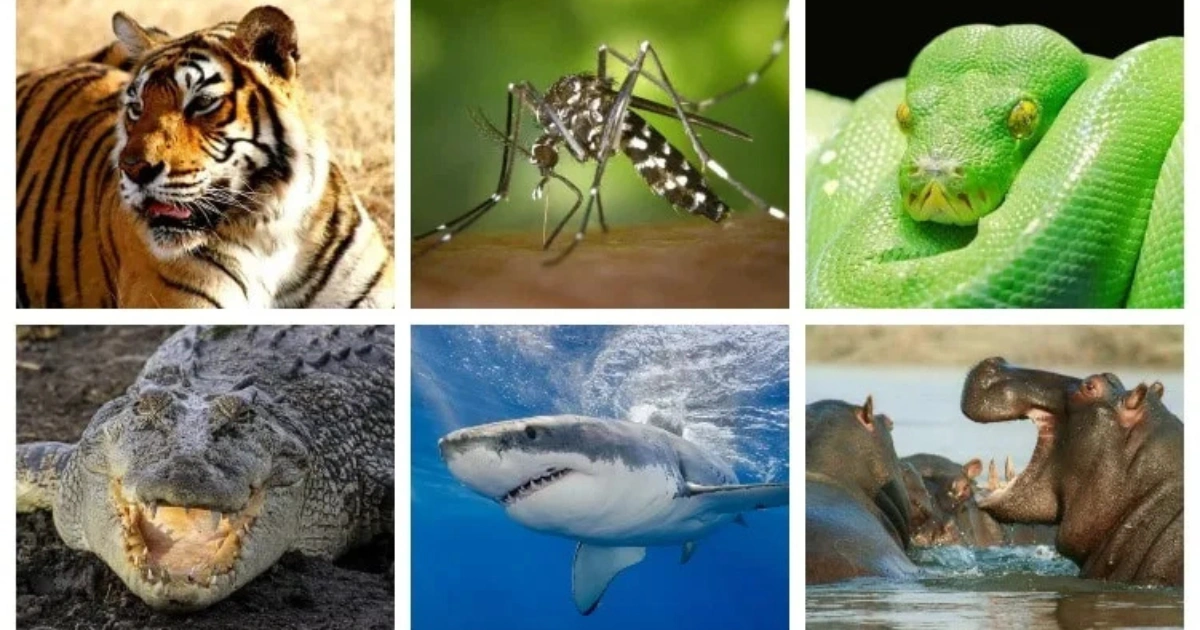
When people think about dangerous animals, they often imagine sharks, lions, or wolves. In reality, the deadliest creatures on Earth are not always the largest or most frightening. Some of the most dangerous animals are surprisingly small and often overlooked.
Understanding which animals cause the most human deaths each year helps improve awareness, disease prevention, and public safety. In this article, we explore the world’s most dangerous animals, explain why they are deadly, and separate facts from common myths.
Why “Dangerous” Does Not Always Mean Aggressive
An animal’s danger level is not based only on strength or size. Scientists usually measure danger by:
- Number of human deaths caused annually
- Disease transmission
- Toxicity or venom
- Aggressive behavior
- Human-animal encounters
Many animals that appear terrifying rarely attack humans, while tiny insects can spread deadly diseases affecting millions worldwide.
Mosquitoes: The Deadliest Animals on Earth
Mosquitoes are responsible for more human deaths than any other animal.
Why Mosquitoes Are So Dangerous
Mosquitoes spread serious diseases including:
- Malaria
- Dengue fever
- Zika virus
- Yellow fever
- West Nile virus
These diseases affect millions of people every year, especially in tropical and subtropical regions.
According to global health organizations, mosquito-borne illnesses remain one of the largest public health challenges worldwide.
How to Reduce Mosquito Risks
To reduce exposure:
- Remove standing water
- Use insect repellent
- Install window screens
- Sleep under mosquito nets in high-risk areas
Preventing mosquito breeding is one of the most effective safety strategies.
Tsetse Flies and Sleeping Sickness
Tsetse flies are found mainly in parts of Africa and are known for transmitting African trypanosomiasis, also called sleeping sickness.
Why Tsetse Flies Are Dangerous
These insects carry parasites that affect:
- The nervous system
- Brain function
- Sleep cycles
- Overall organ health
Without treatment, the disease can become fatal.
Public health programs and improved medical access have reduced infection rates in many regions, but the threat still exists in some rural areas.
Dogs and Rabies Transmission
Dogs are beloved companions worldwide, yet they remain associated with thousands of human deaths annually due to rabies transmission.
Understanding Rabies Risk
Rabies is a viral disease that attacks the nervous system. Once symptoms appear, it is almost always fatal without immediate medical intervention.
Most rabies-related deaths occur in regions with limited vaccination access.
Rabies Prevention Tips
Important prevention measures include:
- Vaccinating pets
- Avoiding stray animals
- Seeking immediate treatment after bites
- Reporting suspicious animal behavior
Vaccination programs have dramatically reduced rabies deaths in many countries.
Snakes: Venomous Predators
Venomous snakes cause thousands of deaths each year, especially in rural farming communities.
Why Snakebites Are Dangerous
Snake venom may:
- Damage tissues
- Affect blood clotting
- Cause paralysis
- Trigger respiratory failure
The danger often depends on:
- Snake species
- Venom potency
- Access to medical treatment
How to Stay Safe Around Snakes
Safety tips include:
- Wearing protective boots outdoors
- Avoiding tall grass without visibility
- Never handling wild snakes
- Using flashlights at night in rural areas
Most snakebites happen when humans accidentally disturb snakes.
Hippopotamuses: Extremely Territorial Animals
Hippos may appear calm, but they are among Africa’s most aggressive large mammals.
Why Hippos Are So Dangerous
Hippos can:
- Run surprisingly fast
- Defend territory aggressively
- Attack boats and humans
- Inflict severe injuries with powerful jaws
Many incidents occur near rivers or lakes where hippos feel threatened.
Wildlife experts recommend maintaining a safe distance at all times.
Elephants and Human Conflicts
Elephants are intelligent and social animals, but they can become dangerous when stressed, injured, or defending their young.
Situations That Increase Elephant Aggression
Conflicts often happen due to:
- Habitat loss
- Human encroachment
- Competition for water and food
- Startling close encounters
Despite their peaceful reputation, elephants possess enormous physical strength capable of causing serious harm.
Lions: Powerful Apex Predators
Lions are iconic predators known for their hunting abilities and territorial behavior.
Are Lions Dangerous to Humans?
Although lion attacks receive significant media attention, human fatalities are relatively low compared to disease-carrying animals.
Most attacks occur in:
- Wildlife regions
- Areas with habitat overlap
- Situations involving injured or threatened lions
Conservation efforts aim to reduce conflicts between lions and nearby communities.
Wolves: Often Misunderstood Predators
Wolves are commonly portrayed as dangerous in folklore and movies, but attacks on humans are relatively rare.
Why Wolves Usually Avoid Humans
Wild wolves generally prefer avoiding people. Problems may arise when wolves:
- Lose fear of humans
- Become habituated to food sources
- Are infected with rabies
Most wolf-related fears are exaggerated compared to actual risk statistics.
Sharks: Rare but Highly Publicized
Shark attacks generate intense media attention, even though fatalities remain extremely uncommon globally.
Understanding Shark Behavior
Most sharks do not intentionally hunt humans. Many bites are believed to result from mistaken identity during feeding investigations.
Shark Safety Tips
To reduce risk:
- Avoid swimming at dawn or dusk
- Stay in groups
- Avoid areas with fishing activity
- Leave the water if marine wildlife behaves unusually
Millions of people enter the ocean safely every year without shark incidents.
Humans: The Overlooked Danger
Interestingly, humans themselves contribute significantly to global deaths through violence, accidents, environmental destruction, and conflict.
Human Impact on Safety and Wildlife
Human activity influences:
- Habitat destruction
- Pollution
- Climate change
- Wildlife extinction
- Global disease spread
Understanding this relationship highlights the importance of responsible environmental stewardship.
Why Awareness Matters More Than Fear
Many dangerous animals play essential roles in ecosystems.
Ecological Importance of Predators and Insects
These animals help:
- Control prey populations
- Maintain ecosystem balance
- Support biodiversity
- Prevent environmental collapse
Fear should not replace education. Respecting wildlife and understanding animal behavior are key to coexistence.
How to Stay Safe Around Dangerous Animals
Basic awareness dramatically reduces risk in most situations.
General Wildlife Safety Tips
- Never approach wild animals
- Learn about local species before traveling
- Keep food secured outdoors
- Follow park and wildlife regulations
- Seek immediate medical care after bites or stings
Preparedness and education save lives.
FAQ
What is the deadliest animal in the world?
Mosquitoes are considered the deadliest animals because they spread diseases that kill millions of people globally.
Why are sharks less dangerous than mosquitoes?
Shark attacks are extremely rare, while mosquitoes spread deadly diseases to millions annually.
Are wolves dangerous to humans?
Wild wolves rarely attack humans and generally avoid human contact.
Why are hippos considered dangerous?
Hippos are highly territorial and can become aggressive near water sources.
How can snakebite deaths be reduced?
Access to antivenom, medical treatment, education, and protective clothing significantly lowers snakebite fatalities.
Final Thoughts
The world’s most dangerous animals are not always the predators people fear most. Tiny insects, disease carriers, and human-related environmental factors often pose greater threats than large carnivores.
Understanding real wildlife risks encourages smarter safety practices while reducing unnecessary fear. Many dangerous animals are also vital parts of healthy ecosystems and deserve protection rather than misunderstanding.
Education, conservation, and public health efforts remain essential for creating safer coexistence between humans and wildlife.
Suggested Internal Links for secretsofthegreengarden.com
- How Wildlife Shapes Healthy Ecosystems
- Natural Ways to Protect Your Garden From Pests
- Understanding Animal Behavior in the Wild