
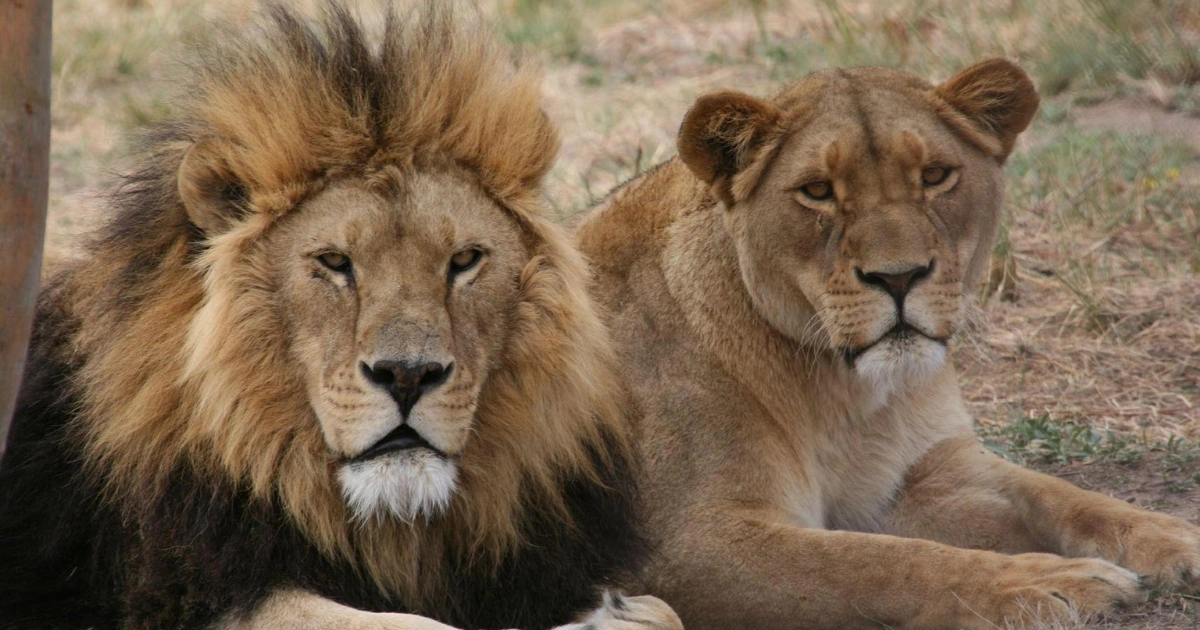
Lions are among the most recognizable predators on Earth. Their muscular bodies, sharp senses, and social behavior have fascinated humans for centuries. While male and female lions belong to the same species, Panthera leo, their anatomy reveals important differences linked to survival, reproduction, and their roles within the pride.
Understanding lion anatomy not only helps wildlife enthusiasts appreciate these majestic animals, but also supports conservation awareness and scientific education. In this article, we explore the key anatomical structures of male and female lions, how their bodies function, and what makes them such extraordinary hunters and survivors.
Why Lion Anatomy Matters
The anatomy of lions reflects millions of years of evolution. Every part of their body serves a purpose, from hunting and defending territory to caring for cubs and surviving harsh environments.
Studying lion anatomy helps researchers:
- Understand predator behavior
- Improve wildlife conservation
- Monitor animal health
- Compare large feline species
- Educate the public about ecosystems
Male and female lions share many internal organs and skeletal structures, but some physical differences are directly connected to their biological roles.
Key Physical Differences Between Male and Female Lions
Male and female lions differ in appearance, size, and reproductive anatomy.
Male Lion Characteristics
Male lions are usually larger and heavier than females. Their most recognizable feature is the mane.
Functions of the Mane
The mane serves several purposes:
- Protects the neck during fights
- Signals strength and maturity
- Attracts females
- Helps intimidate rival males
Male lions often defend the pride’s territory against competitors and external threats.
Female Lion Characteristics
Female lions are generally leaner, faster, and more agile. Their streamlined bodies support endurance and coordinated hunting.
Lionesses perform most hunting activities within the pride, often working together to capture prey efficiently.
The Lion Skeleton: Built for Strength and Speed
The skeletal structure of lions provides support, flexibility, and explosive power.
Important Features of the Lion Skeleton
A lion’s skeleton includes:
- Strong jaw bones for crushing prey
- Flexible spine for jumping and sprinting
- Powerful shoulder bones for grappling
- Large rib cage protecting vital organs
- Muscular limbs designed for acceleration
Lions can sprint at impressive speeds over short distances, although they tire quickly compared to endurance predators.
Brain and Nervous System
The lion brain controls movement, senses, hunting instincts, and social behavior.
How Lions Use Their Senses
Lions rely heavily on:
- Excellent night vision
- Acute hearing
- Strong sense of smell
- Fast reflexes
Their nervous system allows rapid responses during hunts and territorial encounters.
Social communication is also highly developed. Lions use vocalizations, scent marking, body posture, and facial expressions to communicate with pride members.
Heart and Lungs: Powering a Top Predator
Like other large mammals, lions depend on a powerful cardiovascular and respiratory system.
The Role of the Heart
The lion’s heart pumps oxygen-rich blood throughout the body, supporting:
- Muscle performance
- Fast bursts of speed
- Organ function
- Temperature regulation
Lung Capacity and Breathing
Large lungs help lions deliver oxygen efficiently during intense physical activity. Although lions can sprint rapidly, these bursts usually last only a short time due to energy demands.
After a chase, lions often rest to recover their breathing and body temperature.
Digestive System of Lions
Lions are obligate carnivores, meaning their bodies are specifically adapted to consume meat.
Main Digestive Organs
The digestive system includes:
- Mouth and teeth
- Esophagus
- Stomach
- Liver
- Intestines
Their sharp canine teeth tear flesh, while strong stomach acids help break down raw meat and kill harmful bacteria.
How Lions Digest Food
Lions may consume large meals after a successful hunt and then rest for extended periods while digesting.
Their digestive tract is shorter than that of herbivores because meat is easier to process than plant material.
Liver and Kidneys: Essential Internal Organs
Liver Function
The liver performs several important functions:
- Detoxifying harmful substances
- Processing nutrients
- Producing bile for digestion
- Supporting metabolism
Kidney Function
The kidneys filter blood and help regulate body fluids. This is especially important in hot African environments where hydration can become challenging.
Healthy kidney function allows lions to maintain internal balance even during periods of heat stress.
Male Reproductive Anatomy
Male lions possess reproductive organs specialized for mating and reproduction.
Main Male Reproductive Structures
These include:
- Testes
- Scrotum
- Penis
- Vas deferens
- Urethra
Male lions compete intensely for breeding rights within prides. Dominant males often protect cubs and territory while maintaining reproductive control.
Female Reproductive Anatomy
Female lions possess reproductive organs designed for gestation and cub development.
Main Female Reproductive Structures
These include:
- Ovaries
- Fallopian tubes
- Uterus
- Cervix
- Vagina
Lionesses usually give birth to litters containing multiple cubs. Mothers nurse, protect, and raise cubs cooperatively within the pride.
Lion Muscles and Hunting Ability
Lions possess powerful muscles concentrated in the shoulders, chest, and hind legs.
Hunting Adaptations
Their bodies are designed for:
- Ambush attacks
- Short explosive sprints
- Powerful leaps
- Wrestling large prey
Unlike cheetahs, lions rely more on teamwork and strength than sustained speed.
Lionesses often coordinate attacks strategically, surrounding prey before closing in.
How Lion Anatomy Supports Survival
Every aspect of lion anatomy contributes to survival in the wild.
Important Survival Advantages
Lions benefit from:
- Camouflaged fur coloration
- Strong bite force
- Night vision
- Social cooperation
- Sharp claws and teeth
- Exceptional hearing
Their anatomy reflects their position as apex predators within African ecosystems.
Conservation and the Importance of Lion Education
Understanding lion biology encourages greater respect for wildlife conservation.
Threats Facing Lions Today
Wild lion populations face several challenges:
- Habitat loss
- Human conflict
- Illegal hunting
- Declining prey populations
- Climate pressures
Educational resources about lion anatomy and behavior can help increase public support for conservation programs.
According to wildlife organizations, African lion populations have declined significantly over recent decades in several regions.
Fascinating Facts About Lion Anatomy
Here are a few lesser-known facts about lions:
- A lion’s roar can travel several miles
- Their claws are retractable like domestic cats
- Lions can sleep up to 20 hours daily
- Male lions may weigh more than 400 pounds
- Their rough tongues help scrape meat from bones
These adaptations make lions highly specialized predators.
FAQ
What is the biggest anatomical difference between male and female lions?
The most visible difference is the male lion’s mane. Males are also generally larger and heavier than females.
Why do lionesses hunt more often than males?
Lionesses are faster, leaner, and better adapted for coordinated group hunting.
How strong is a lion’s bite?
Lions possess extremely powerful jaws capable of crushing bones and subduing large prey animals.
Do lions have good eyesight?
Yes. Lions have excellent night vision, helping them hunt effectively during low-light conditions.
Why is the lion skeleton important?
The skeleton provides strength, flexibility, and support for movement, hunting, and defense.
Final Thoughts
Male and female lions are remarkable examples of evolutionary adaptation. Their anatomy reflects the perfect balance between power, speed, intelligence, and survival.
From the protective mane of the male lion to the agile hunting build of the lioness, every feature serves a critical purpose in the wild. Understanding these anatomical differences deepens our appreciation for one of nature’s most iconic predators.
Protecting lions and their habitats remains essential for maintaining biodiversity and preserving the natural balance of ecosystems.
Suggested Internal Links for secretsofthegreengarden.com
- How Big Cats Survive in Harsh Climates
- Amazing Animal Adaptations in the Wild
- The Importance of Wildlife Conservation for Future Generations