
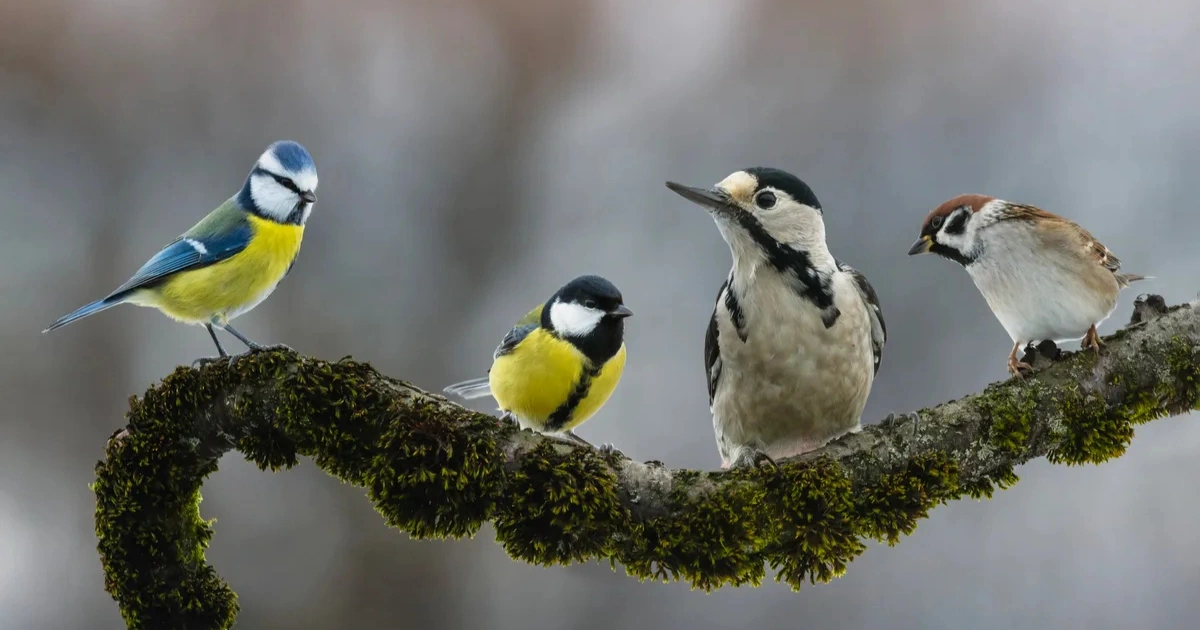
Learning to identify backyard birds is one of the simplest ways to connect with nature. Across the United States, many bird species regularly visit gardens, feeders, and neighborhoods. Recognizing these birds not only enhances your outdoor experience but also supports bird conservation and habitat awareness.
This guide to backyard birds every American should recognize covers common species, key identification tips, and how to attract them to your yard.
Why Learning Backyard Birds Matters
Understanding common bird species offers more than visual enjoyment.
- Helps track seasonal changes and migration patterns
- Encourages biodiversity in residential areas
- Supports bird-friendly gardening practices
- Builds awareness of environmental health
Even a small backyard can become a thriving habitat when you know what to look for.
Common Backyard Birds in the United States
Below are some of the most recognizable and frequently seen species across American neighborhoods.
Northern Cardinal
The northern cardinal is one of the easiest birds to identify.
- Bright red plumage in males
- Distinct crest and black face mask
- Found year-round in many regions
Females are more muted in color but share the same crest and shape.
American Robin
A classic sign of spring.
- Orange-red breast with gray back
- Often seen hopping on lawns
- Active early in the morning
Robins are known for their melodic songs and ground-feeding behavior.
Blue Jay
A bold and intelligent bird.
- Bright blue feathers with white and black markings
- Loud, varied calls
- Known for mimicking other birds
Blue jays are highly social and often travel in small groups.
Chickadee
Small but energetic.
- Black cap and bib with white cheeks
- Recognizable “chick-a-dee-dee-dee” call
- Active year-round
They are frequent visitors to feeders and adapt well to human environments.
House Finch
A common feeder bird.
- Males have red or pinkish heads and chests
- Brown-streaked bodies
- Found in urban and suburban areas
They are social birds often seen in flocks.
Mourning Dove
Known for its gentle appearance.
- Soft gray-brown color
- Long, tapered tail
- Calm and graceful flight
Their cooing call is a familiar sound in many neighborhoods.
Downy Woodpecker
A small and active woodpecker.
- Black and white pattern
- Males have a small red patch on the head
- Often seen on tree trunks or feeders
They are excellent at clinging to vertical surfaces.
American Goldfinch
A bright and cheerful bird.
- Vibrant yellow body in males during summer
- Black wings and cap
- Feeds mainly on seeds
Their color changes in winter to a more subdued tone.
White-breasted Nuthatch
A unique tree climber.
- Moves headfirst down tree trunks
- Blue-gray back with white underside
- Distinct nasal call
They often store food in bark crevices.
Dark-eyed Junco
A winter visitor in many regions.
- Slate-gray body with white belly
- Ground feeder
- Seen in flocks during colder months
They prefer open areas and forest edges.
Cedar Waxwing
Elegant and social.
- Smooth brown body with a crest
- Yellow-tipped tail
- Often seen in groups
They primarily feed on berries and fruits.
Ruby-throated Hummingbird
A tiny but remarkable bird.
- Males have a bright red throat
- Rapid wing movement
- Feeds on nectar
They are commonly seen hovering near flowers and feeders.
How to Identify Backyard Birds Easily
Recognizing backyard birds becomes easier when focusing on a few key features.
- Color patterns: Look for distinct markings or contrasts
- Size and shape: Compare with familiar birds
- Behavior: Observe how they move, feed, and fly
- Sound: Bird calls and songs are strong identification clues
- Habitat: Different species prefer specific environments
Using these observations together improves accuracy.
How to Attract Backyard Birds to Your Yard
Creating a bird-friendly environment encourages regular visits.
Provide Food Sources
- Install bird feeders with seeds like sunflower or millet
- Offer nectar feeders for hummingbirds
- Leave some natural seed sources in your garden
Add Water
- Birdbaths or shallow water dishes attract many species
- Keep water clean and refreshed regularly
Plant Native Vegetation
- Native plants provide food and shelter
- Trees and shrubs offer nesting sites
Create Safe Spaces
- Avoid pesticides that harm insects and birds
- Provide shelter from predators and harsh weather
These simple steps can transform your yard into a thriving bird habitat.
Seasonal Changes in Backyard Birds
Bird populations shift throughout the year.
- Spring brings migratory species and breeding activity
- Summer is active with feeding and nesting
- Fall includes migration and preparation for winter
- Winter attracts species adapted to colder climates
Observing these patterns adds depth to birdwatching.
Benefits of Backyard Birdwatching
Engaging with backyard birds offers multiple advantages.
- Reduces stress and promotes relaxation
- Encourages outdoor activity
- Supports environmental awareness
- Provides educational opportunities for all ages
Even a few minutes of observation can be rewarding.
FAQ About Backyard Birds
What is the most common backyard bird in the U.S.?
The American robin is one of the most widespread and commonly seen birds.
How can I attract more birds to my yard?
Providing food, water, and native plants is the most effective approach.
Do birds visit feeders year-round?
Many species do, but the variety changes with the seasons.
What food is best for backyard birds?
Black oil sunflower seeds are a popular and versatile choice.
Why do birds stop visiting feeders?
Changes in food availability, weather, or nearby disturbances can affect visits.
Internal Linking Suggestions
For related content on secretsofthegreengarden.com, consider linking to:
- “How to Create a Wildlife-Friendly Garden”
- “Best Plants to Attract Birds Naturally”
- “Simple Ways to Support Backyard Biodiversity”
These topics complement birdwatching and habitat creation.
External Resources for Further Reading
For trusted and research-based information, explore:
- Cornell Lab of Ornithology: https://www.allaboutbirds.org
- Audubon Society bird guides: https://www.audubon.org
- U.S. Fish and Wildlife Service: https://www.fws.gov
Conclusion
Recognizing backyard birds every American should know is a rewarding and accessible way to connect with nature. From the bright northern cardinal to the tiny ruby-throated hummingbird, each species adds life and movement to outdoor spaces.
By learning to identify these birds and creating a welcoming habitat, you contribute to conservation while enjoying one of the most peaceful and enriching outdoor activities available.