
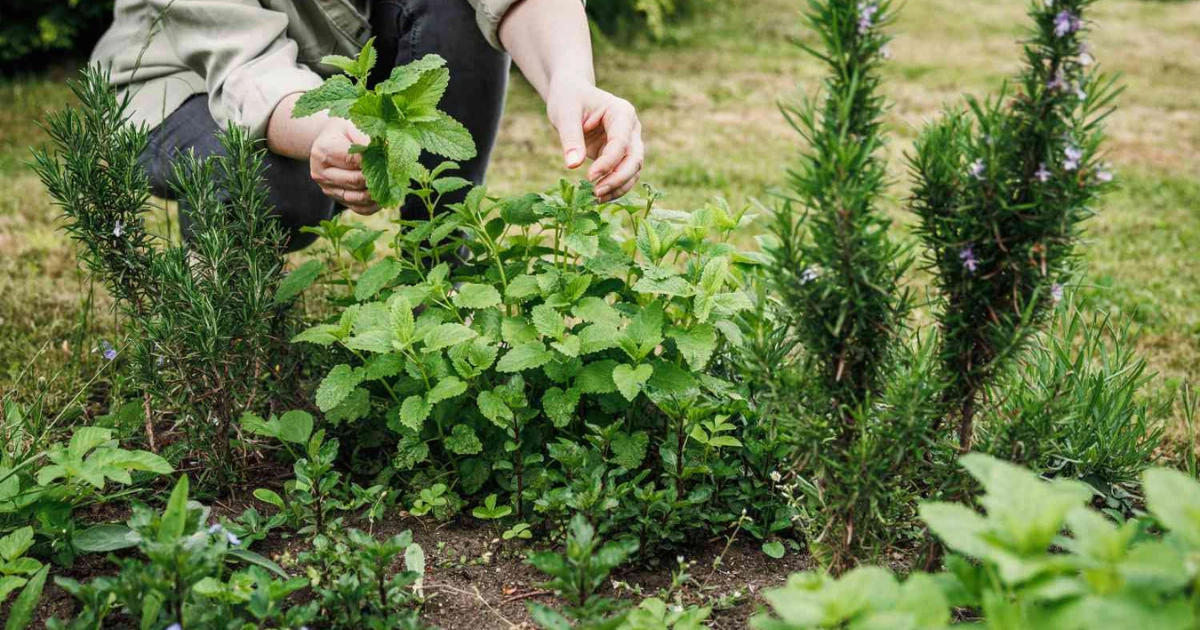
Growing herbs in containers is one of the easiest and most rewarding ways to garden, even in small spaces. But choosing the right combinations can make a significant difference in plant health, growth, and flavor.
In this guide, you will discover the best herb pairings for container gardening, how to group herbs based on their needs, and practical tips to create thriving, productive containers.
Why Herb Pairing Matters in Containers
When herbs share a container, they compete for water, nutrients, and sunlight. Pairing compatible plants ensures they grow harmoniously instead of struggling.
The right herb combinations help:
- Maximize limited space
- Improve plant health and growth
- Simplify watering and maintenance
- Enhance flavors for cooking and drinks
Using smart herb pairings for container gardening can turn a small balcony or patio into a highly productive herb garden.
Key Rules for Pairing Herbs Successfully
Before choosing combinations, it is important to understand what herbs need.
Match Water Needs
Some herbs prefer moist soil, while others thrive in dry conditions.
- Moist-loving herbs: basil, parsley, cilantro
- Drought-tolerant herbs: rosemary, thyme, sage
Never mix these two groups in the same container.
Consider Growth Habits
- Fast-growing herbs can overwhelm slower ones
- Spreading herbs like mint should be contained
Choose herbs that grow at a similar pace.
Sunlight Requirements
Most herbs need full sun, but some tolerate partial shade.
Ensure all plants in one container receive similar light exposure.
Best Herb Pairings for Container Gardening
Italian Classics: Basil, Oregano, and Parsley
This combination is perfect for cooking and easy to maintain.
Why it works:
- Similar water and sunlight needs
- Complementary growth habits
- Ideal for Mediterranean dishes
Tea Lovers’ Blend: Chamomile, Mint, and Lemon Balm
A great option for herbal teas.
Benefits:
- Fragrant and calming
- Easy to harvest regularly
Tip: Keep mint and lemon balm trimmed to prevent overcrowding.
Salad Boosters: Chives, Dill, and Cilantro
This trio adds fresh flavor to salads and light meals.
Advantages:
- Fast-growing herbs
- Thrive in similar conditions
Cocktails and Drinks Mix: Mint, Basil, and Lemon Verbena
Perfect for refreshing beverages.
Key points:
- Aromatic and flavorful
- Suitable for summer containers
Note: Mint grows aggressively, so monitor its spread.
Pollinator-Friendly Herbs
Combining flowering herbs attracts beneficial insects.
Examples include:
- Lavender
- Echinacea
- Thyme
These herbs support pollinators while adding beauty to your space.
Savory Cooking Trio: Rosemary, Thyme, and Sage
Ideal for hearty dishes and roasting.
Why it works:
- All prefer dry, well-drained soil
- Thrive in full sun
- Low maintenance
Herbs You Should Not Plant Together
Some herbs simply do not get along due to different needs.
Avoid combining:
- Basil with rosemary (different water needs)
- Mint with delicate herbs (it takes over quickly)
- Cilantro with drought-tolerant herbs
Keeping incompatible herbs separate prevents stress and poor growth.
Container Setup Tips for Better Results
Choose the Right Pot Size
- Small herbs: 15–20 cm depth
- Larger herbs: 25–30 cm depth
Always ensure good drainage.
Use Quality Soil
A well-draining potting mix enriched with compost supports healthy growth.
Water Wisely
- Water when the top layer of soil feels dry
- Avoid overwatering drought-tolerant herbs
Regular Harvesting
Frequent trimming encourages bushier growth and prevents flowering too early.
Seasonal Care for Container Herbs
Spring
- Start planting new herbs
- Gradually increase sunlight exposure
Summer
- Water more frequently
- Harvest regularly
Fall
- Reduce watering
- Protect from cooler temperatures
Winter
- Move containers indoors if needed
- Reduce watering significantly
Internal Linking Suggestions
To enhance your gardening knowledge, link this article to related content on secretsofthegreengarden.com:
- Beginner’s Guide to Container Gardening
- Best Vegetables to Grow in Pots
- How to Create a Low-Maintenance Balcony Garden
These topics complement herb gardening and improve user engagement.
External Resources for Reliable Guidance
For trusted and research-based advice, consult:
- Royal Horticultural Society – Growing Herbs in Containers
https://www.rhs.org.uk - University of Minnesota Extension – Herb Gardening Guide
https://extension.umn.edu - USDA Gardening Resources
https://www.usda.gov
These sources provide expert recommendations for successful herb cultivation.
FAQ: Herb Pairings for Container Gardening
Can I grow multiple herbs in one container?
Yes, as long as they have similar water, sunlight, and soil requirements.
What is the easiest herb combination for beginners?
Basil, parsley, and oregano are simple and beginner-friendly.
Should mint always be grown separately?
It is recommended, as mint spreads quickly and can dominate other plants.
How often should I water container herbs?
It depends on the herb type, but generally when the top soil feels dry.
Do herbs need full sun?
Most herbs thrive in full sun, but some tolerate partial shade.
Conclusion
Choosing the right herb pairings for container gardening can dramatically improve your success, even in limited spaces. By grouping herbs with similar needs, you create a balanced environment where plants thrive together.
With the right combinations, proper care, and regular harvesting, your container herb garden can provide fresh flavors, beautiful greenery, and a rewarding gardening experience all year round.