
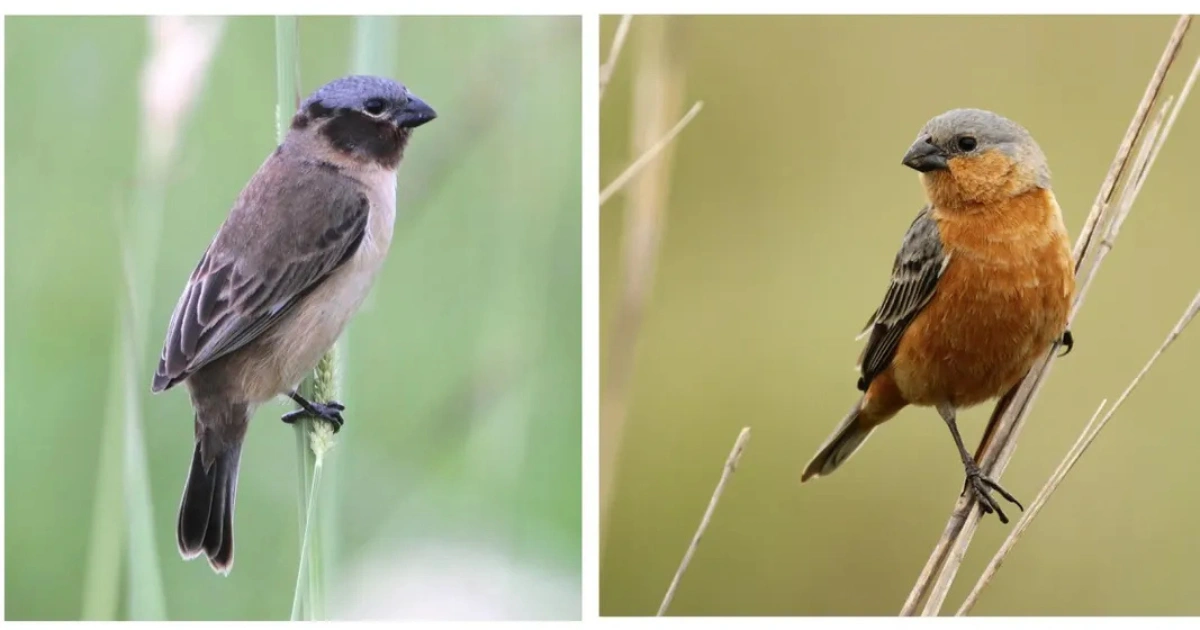
Bird vision is one of the most fascinating adaptations in the animal kingdom. While humans rely on three types of color receptors, many birds perceive the world through a far more complex visual system. This allows them to detect colors and patterns that are completely invisible to us.
Understanding how birds see helps explain their behavior, mating displays, navigation, and even how they find food. This article explores the science behind bird vision, how it differs from human sight, and why it matters in nature.
What Makes Bird Vision Unique?
The primary difference between human and bird vision lies in the structure of the eye and the number of photoreceptors.
Humans have three types of cone cells, which allow us to see red, green, and blue. Birds, however, typically have four types of cones. This means they can detect an additional range of light, including ultraviolet (UV).
Because of this, bird vision is often described as tetrachromatic, while human vision is trichromatic.
The Role of Ultraviolet Vision in Birds
One of the most remarkable aspects of bird vision is their ability to see ultraviolet light.
UV vision allows birds to:
- Detect patterns on feathers that are invisible to humans
- Identify ripe fruits or healthy plants more easily
- Spot urine trails left by prey species
- Recognize eggs and nests more accurately
For example, what appears to humans as a plain-colored bird may actually display vibrant UV markings to other birds.
For a deeper scientific explanation of light perception, see
https://www.nature.com/articles/eye2016242 (Nature – Visual Systems Research).
Comparing Human Vision vs Bird Vision
Color Perception
Humans see a limited spectrum of colors compared to birds. Birds perceive a broader range, including UV wavelengths, making their world more colorful and detailed.
Detail and Sharpness
Many bird species have higher visual acuity than humans. Birds of prey, for instance, can spot small animals from great distances due to specialized eye structures.
Motion Detection
Birds are highly sensitive to movement. This helps them react quickly to predators or capture fast-moving prey.
Field of View
Most birds have a wider field of vision than humans because their eyes are positioned on the sides of their heads. This allows them to monitor their surroundings more effectively.
Why Bird Vision Matters in Nature
Bird vision plays a critical role in survival and reproduction.
Mate Selection
Bright plumage and UV patterns help birds choose healthy partners. These visual cues are often invisible to humans but essential in bird communication.
Camouflage and Egg Protection
Eggs that appear neutral or camouflaged to human eyes may stand out clearly under bird vision. This helps parent birds identify their own eggs while avoiding parasitic ones.
Food Detection
Birds can identify subtle differences in plant health or fruit ripeness. This gives them an advantage when foraging.
How Bird Vision Affects Backyard Gardening
Understanding how birds see can help gardeners design more bird-friendly spaces.
Here are a few practical tips:
- Choose plants that produce brightly colored fruits and seeds
- Add water sources that reflect light and attract attention
- Avoid reflective glass surfaces that may confuse birds
- Use natural colors instead of artificial patterns when designing garden features
Creating a bird-friendly environment supports biodiversity and improves pollination.
For guidance on supporting wildlife habitats, visit
https://www.audubon.org/news/how-make-your-yard-bird-friendly (National Audubon Society).
Common Misconceptions About Bird Vision
Birds See Everything in Bright Colors
While birds do see more colors than humans, not all species perceive the same spectrum. Vision varies depending on the species and environment.
All Birds Have the Same Vision Abilities
Different bird species have evolved specialized vision. For example:
- Raptors have exceptional distance vision
- Nocturnal birds rely more on light sensitivity than color
- Songbirds often excel in color discrimination
Bird Vision Is Always Superior to Human Vision
Bird vision is different, not universally better. Humans still excel in certain visual tasks, such as depth perception at close range.
Internal Linking Suggestions
To strengthen your site structure and keep readers engaged, consider linking this article to:
- “How to Attract Birds to Your Garden Naturally”
- “Best Plants for Pollinators and Wildlife”
- “Simple Backyard Habitat Ideas for Biodiversity”
These topics complement bird behavior and garden design.
FAQ: Bird Vision
Can birds really see ultraviolet light?
Yes, many bird species can detect ultraviolet wavelengths, which are invisible to humans. This ability helps them find food and recognize mates.
Why do bird feathers look different under bird vision?
Feathers often reflect UV light, revealing patterns and colors that humans cannot see. These patterns are important for communication and mating.
Do birds see colors better than humans?
In many cases, yes. Birds can perceive a wider spectrum of colors due to their additional cone cells.
Can birds see better than humans at night?
Not all birds. Nocturnal species have adapted for low-light conditions, but most birds are active during the day and rely on bright light.
How does bird vision affect their behavior?
Bird vision influences how birds find food, avoid predators, choose mates, and navigate their environment.
Final Thoughts
Bird vision offers a completely different perspective on the world, revealing hidden colors and patterns that humans cannot perceive. This advanced visual system plays a vital role in survival, communication, and ecological balance.
By understanding how birds see, we gain a deeper appreciation of nature and can make better choices to support wildlife in our own environments.