
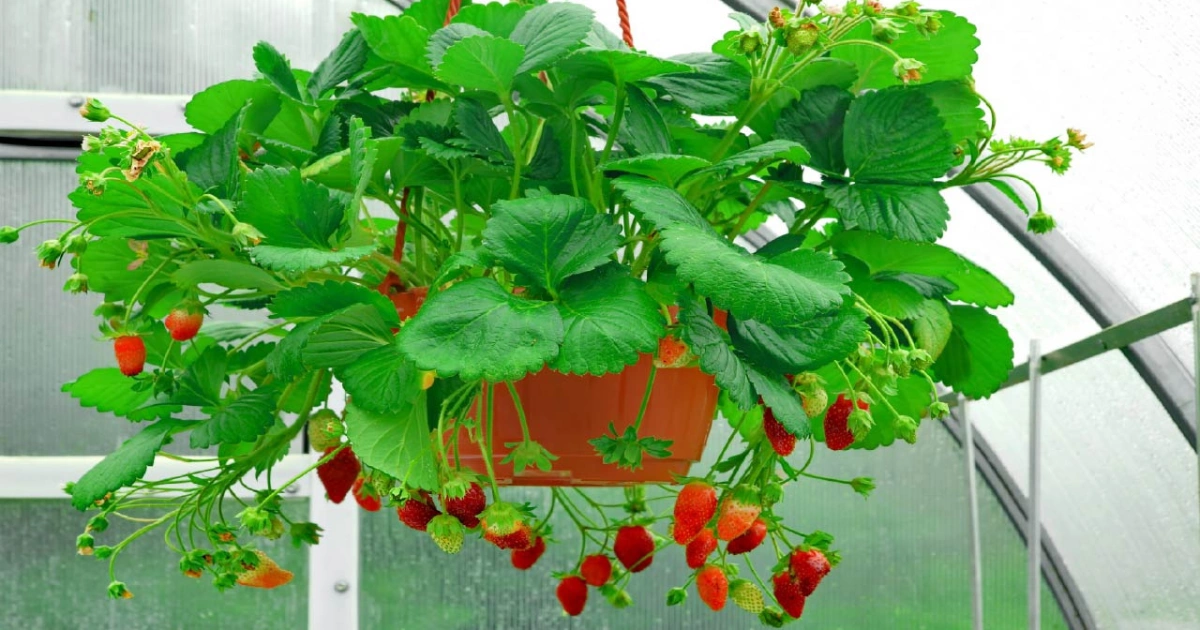
Growing food in limited space does not mean sacrificing variety or productivity. With the right planning, hanging baskets can become highly efficient mini-gardens. By combining compatible plants, you can improve growth, reduce pests, and make the most of vertical space.
This guide explores the best vegetable combinations for hanging baskets, along with practical tips to help you grow healthy, productive plants in compact areas.
Primary Keyword: vegetable combinations for hanging baskets
Related keywords: companion planting, hanging basket gardening, small space gardening, vertical gardening vegetables, balcony vegetable garden, container planting ideas, edible hanging baskets, herb and vegetable combos
Why Use Hanging Baskets for Vegetables?
Hanging baskets are not just decorative—they are a functional solution for urban and small-space gardening.
Key Advantages
- Maximize vertical space on balconies or patios
- Improve air circulation, reducing disease risk
- Keep plants away from ground pests
- Make harvesting easier and more accessible
When combined with companion planting principles, they become even more productive.
What Is Companion Planting in Hanging Baskets?
Companion planting involves growing plants together that benefit each other. In hanging baskets, this approach is especially valuable because space is limited.
Benefits of Companion Planting
- Natural pest control
- Improved pollination
- Better use of nutrients and space
- Enhanced flavor in some crops
Choosing the right combinations is key to success.
Top Vegetable Combinations for Hanging Baskets
Cherry Tomatoes and Basil
This classic pairing works exceptionally well in hanging baskets.
- Basil helps repel pests that affect tomatoes
- Both thrive in similar sunlight and watering conditions
- Compact tomato varieties are ideal
Strawberries and Lettuce
A productive and visually appealing combination.
- Lettuce grows quickly beneath strawberry plants
- Both prefer moderate sunlight
- Efficient use of vertical and surface space
Peppers and Thyme
A low-maintenance and aromatic pairing.
- Thyme acts as a natural pest deterrent
- Both plants tolerate similar soil conditions
- Ideal for warm, sunny locations
Cucumbers and Nasturtiums
A functional and decorative mix.
- Nasturtiums attract beneficial insects
- Help deter aphids and other pests
- Cucumbers can trail downward from the basket
Oregano, Parsley, and Chives
A compact herb trio that grows well together.
- Similar watering and sunlight needs
- Continuous harvest throughout the season
- Strong natural pest resistance
Spinach and Green Onions
Perfect for cooler conditions.
- Fast-growing and space-efficient
- Complementary root depths
- Ideal for early or late-season planting
Peas and Lettuce
A smart combination for small spaces.
- Peas can climb or trail
- Lettuce fills lower space
- Both thrive in cooler temperatures
Bush Beans and Marigolds
A productive and protective pairing.
- Marigolds help repel harmful insects
- Beans enrich soil with nitrogen
- Suitable for sunny spots
Arugula and Radishes
Fast-growing and easy to manage.
- Both mature quickly
- Ideal for successive planting
- Efficient use of limited space
How to Choose the Right Combinations
Not all plants grow well together. When selecting vegetable combinations for hanging baskets, consider the following:
Light Requirements
Group plants with similar sunlight needs to avoid uneven growth.
Water Needs
Plants in the same basket should require similar watering levels.
Growth Habit
- Trailing plants work well for edges
- Upright plants should be placed in the center
Root Space
Avoid overcrowding by selecting plants with compatible root systems.
Setting Up a Successful Hanging Basket Garden
Step-by-Step Tips
- Choose a sturdy basket with proper drainage
- Use a high-quality potting mix enriched with compost
- Arrange plants based on height and spread
- Water consistently, as baskets dry out faster
- Fertilize regularly to maintain nutrient levels
Common Mistakes to Avoid
- Overcrowding plants, leading to poor growth
- Mixing plants with different water or light needs
- Using heavy garden soil instead of potting mix
- Neglecting regular feeding and watering
Avoiding these errors can significantly improve your harvest.
Scientific Insights on Companion Planting
Research from institutions like the University of California Agriculture and Natural Resources and the Royal Horticultural Society shows that plant diversity can improve pest management and overall plant health.
Companion planting is not just traditional knowledge—it is supported by ecological principles.
For further information, visit:
Internal Linking Suggestions
To strengthen SEO and reader engagement on secretsofthegreengarden.com, consider linking to:
- “Best Vegetables for Balcony Gardening”
- “How to Start a Vertical Garden at Home”
- “Beginner’s Guide to Companion Planting”
FAQ About Vegetable Combinations for Hanging Baskets
What vegetables grow best in hanging baskets?
Compact varieties such as cherry tomatoes, lettuce, herbs, and peppers perform best.
How often should I water hanging baskets?
Usually daily in warm weather, as baskets dry out quickly.
Can I mix flowers and vegetables?
Yes, flowers like marigolds and nasturtiums can improve pest control and pollination.
Do hanging baskets need fertilizer?
Yes, regular feeding is essential because nutrients are quickly depleted in containers.
How many plants can I put in one basket?
It depends on size, but avoid overcrowding—typically 2 to 4 plants per basket.
Final Thoughts
Choosing the right vegetable combinations for hanging baskets allows you to transform even the smallest space into a productive garden. By pairing compatible plants and following simple care practices, you can enjoy fresh, homegrown produce throughout the season.
With thoughtful planning and consistent care, hanging baskets can become a powerful tool for efficient and sustainable gardening.