
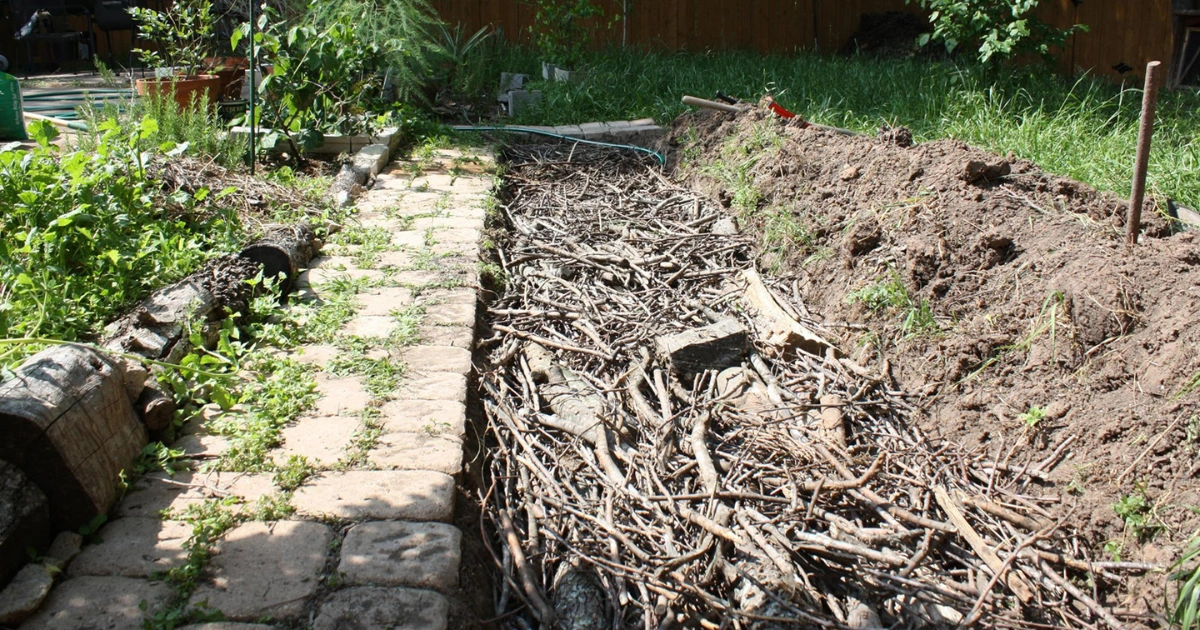
Hügelkultur is a powerful gardening method that transforms natural waste like logs, branches, and grass into rich, moisture-retaining soil. Originating in Central Europe, this technique creates raised garden beds that improve fertility, reduce watering needs, and support long-term plant growth.
In this guide, you’ll learn how Hügelkultur gardening works, how to build your own bed step by step, and which plants thrive best in this system.
Primary Keyword: Hügelkultur gardening
Related keywords: raised garden beds, organic gardening methods, soil building techniques, sustainable gardening, composting in place, water retention garden, permaculture gardening, wood core garden bed
What Is Hügelkultur Gardening?
Hügelkultur, meaning “mound culture” in German, involves burying wood and organic materials beneath soil to create a raised planting bed. As the wood decomposes over time, it releases nutrients and acts like a sponge, storing water for plant roots.
This method mimics natural forest ecosystems, where fallen trees gradually enrich the soil.
Key Benefits of Hügelkultur Gardening
Improved Soil Fertility
As wood breaks down, it feeds beneficial microorganisms and releases nutrients slowly over several years.
Excellent Water Retention
The buried wood absorbs and retains moisture, reducing the need for frequent watering.
Reduced Waste
You can reuse garden debris such as:
- Branches
- Logs
- Grass clippings
- Leaves
Long-Term Productivity
A well-built Hügelkultur bed can remain productive for many years without needing major soil amendments.
How Hügelkultur Works
The success of Hügelkultur gardening lies in its layered structure.
Typical Layers
- Base layer: Large logs and branches
- Middle layer: Smaller sticks and organic debris
- Top layer: Compost, humus, and soil
As decomposition progresses, heat is generated, which can extend the growing season in cooler climates.
Step-by-Step Guide to Building a Hügelkultur Bed
Step 1: Choose the Location
Select a sunny area with good drainage. Most vegetables require at least 6–8 hours of sunlight daily.
Step 2: Dig a Shallow Trench
Excavate a shallow trench to stabilize the base and improve moisture retention.
Step 3: Add Wood Material
Place logs and thick branches at the bottom. Avoid treated wood or toxic species.
Step 4: Layer Organic Matter
Add smaller branches, leaves, grass clippings, and kitchen scraps.
Step 5: Cover with Soil and Compost
Top the mound with a mix of soil and compost to create a fertile planting surface.
Step 6: Water Thoroughly
Moisten the bed to initiate decomposition and settle the layers.
Best Plants for Hügelkultur Beds
Hügelkultur beds support a wide range of crops, especially those that benefit from nutrient-rich soil.
Ideal Choices
- Tomatoes
- Zucchini
- Cucumbers
- Squash
- Beans
For Early Stages
In the first year, plant nitrogen-loving crops such as leafy greens to balance nutrient levels.
Common Mistakes to Avoid
Even though Hügelkultur gardening is simple, certain mistakes can reduce its effectiveness.
- Using treated or painted wood
- Skipping the topsoil layer
- Building the bed too steep, causing erosion
- Planting immediately without allowing slight settling
Proper construction ensures long-term success.
Scientific Perspective on Soil Building
Research from institutions like the University of Minnesota Extension and the Rodale Institute highlights the importance of organic matter in improving soil structure, water retention, and microbial activity.
Hügelkultur aligns with these principles by creating a self-sustaining soil system.
For more information, visit:
Internal Linking Suggestions
To enhance SEO and reader engagement on secretsofthegreengarden.com, consider linking to:
- “How to Build Raised Garden Beds at Home”
- “Best Organic Fertilizers for Vegetable Gardens”
- “Beginner’s Guide to Sustainable Gardening”
FAQ About Hügelkultur Gardening
How long does a Hügelkultur bed last?
A well-built bed can remain productive for 5 to 10 years, depending on materials used.
Can I use fresh wood?
Yes, but it may temporarily reduce nitrogen levels. Balance it with nitrogen-rich materials like grass clippings.
Do I need to water often?
No, the wood core retains moisture, significantly reducing watering needs.
Is Hügelkultur suitable for small gardens?
Yes, it can be adapted to smaller raised beds or even container systems.
What type of wood should I avoid?
Avoid treated wood and certain species like black walnut, which can release harmful compounds.
Final Thoughts
Hügelkultur gardening is a sustainable and highly effective method for building fertile soil while reducing waste. By using natural materials and mimicking forest ecosystems, you can create a productive garden that requires less maintenance over time.
Whether you have a large backyard or a small growing space, this technique offers a practical way to grow healthy plants while improving soil health naturally.