
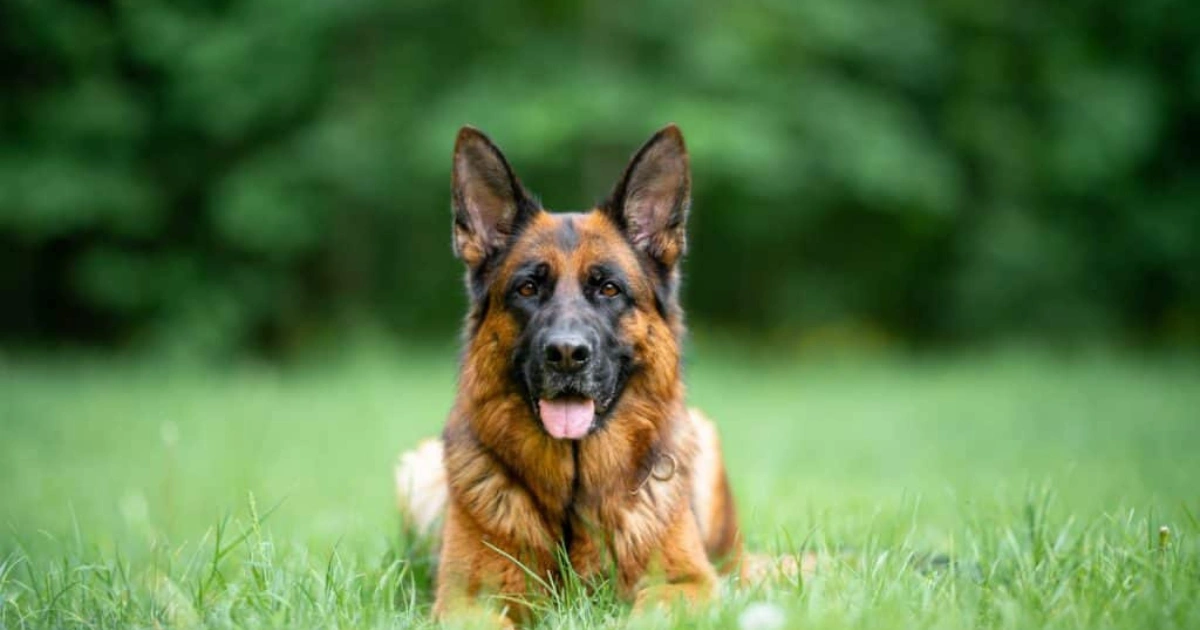
Understanding your dog’s body is essential for proper care, training, and early detection of health issues. The German Shepherd, known for its strength, intelligence, and athletic build, has a well-balanced anatomy that supports both endurance and agility.
This guide explains the anatomy of a German Shepherd, covering external body parts, internal structures, and how each component contributes to movement and overall health.
Primary Keyword: German Shepherd anatomy
Related keywords: dog anatomy, canine body parts, German Shepherd structure, dog muscles and skeleton, canine health, dog body guide, veterinary basics, working dog anatomy
Overview of German Shepherd Anatomy
The German Shepherd is a medium-to-large working dog with a muscular and slightly elongated body. Its anatomy is designed for power, speed, and flexibility, making it ideal for roles such as herding, police work, and search and rescue.
Understanding its body structure helps owners recognize normal posture, movement, and potential health concerns.
External Body Parts of a German Shepherd
Head and Facial Features
The head plays a crucial role in sensory perception and communication.
- Eyes: Medium-sized and alert, reflecting intelligence and awareness
- Ears: Upright and pointed, aiding in directional hearing
- Stop: The transition between the forehead and muzzle
- Muzzle: Strong and elongated for biting and carrying
- Nose: Highly sensitive, used for tracking and scent detection
Neck and Chest
- Neck: Muscular and slightly arched, supporting head movement
- Chest: Deep and well-developed, allowing for strong lung capacity
A well-formed chest is essential for stamina and endurance.
Forelimbs
- Forelegs: Straight and strong, supporting body weight
- Paws: Compact and cushioned for shock absorption
These limbs are critical for balance and forward motion.
Back and Body Structure
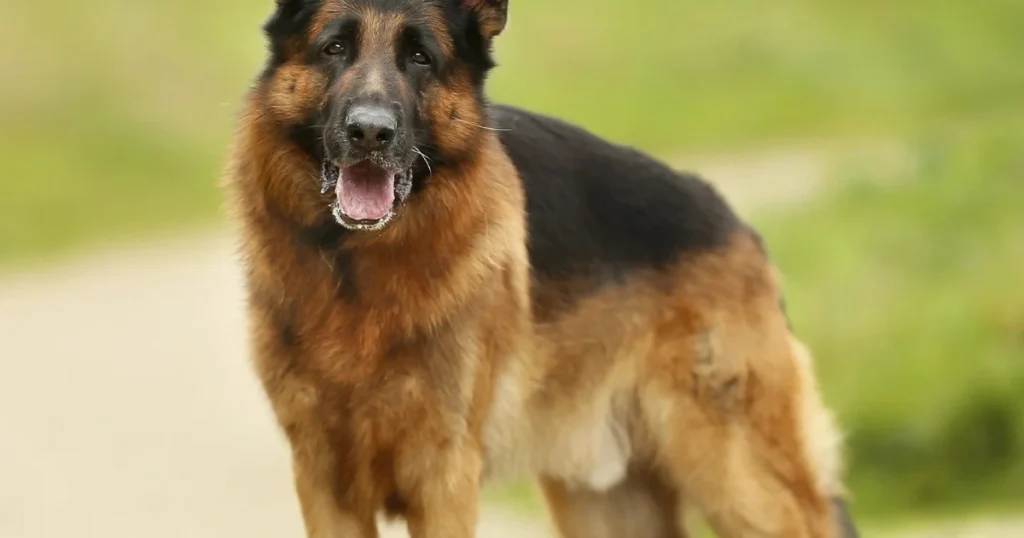
- Withers: The highest point of the shoulders
- Back: Firm and straight, providing structural support
- Loin: Slightly curved, connecting the back to the hindquarters
- Croup: Sloping area near the tail base
This structure allows efficient energy transfer during movement.
Hindquarters
- Thigh: Muscular and powerful
- Stifle: Equivalent to the human knee
- Hock: Joint that provides propulsion
- Hind paws: Strong and flexible for push-off
The hind legs generate most of the dog’s power when running or jumping.
Tail
The tail helps with balance and communication. Its position can indicate mood and alertness.
Internal Anatomy: Muscles, Skeleton, and Organs
Skeletal System
The skeleton provides structure and protection.
- Rib cage protects vital organs such as the heart and lungs
- Spine supports posture and flexibility
- Limb bones enable movement and weight-bearing
German Shepherds have a strong yet flexible skeletal system that supports their active lifestyle.
Muscular System
Muscles allow movement and stability.
- Shoulder and back muscles support running and jumping
- Hind leg muscles provide propulsion
- Core muscles stabilize the body during motion
A well-developed muscular system is essential for working dogs.
Internal Organs
Key organs play vital roles in maintaining health:
- Heart: Pumps blood throughout the body
- Lungs: Enable oxygen exchange
- Stomach: Processes food and nutrients
These systems work together to sustain energy and performance.
How Anatomy Affects Movement and Performance
German Shepherd anatomy is specifically adapted for efficiency.
Key Movement Traits
- Long stride due to balanced limb proportions
- Strong rear drive from hindquarters
- Flexible spine for smooth motion
This combination allows the breed to perform tasks requiring endurance, speed, and precision.
Common Health Issues Related to Anatomy
Understanding anatomy can help identify potential problems early.
Common Conditions
- Hip dysplasia: Affects the hip joint and mobility
- Elbow dysplasia: Impacts front leg function
- Degenerative myelopathy: A neurological condition affecting the spine
Regular veterinary check-ups and proper care can reduce risks.
Tips for Maintaining a Healthy German Shepherd
To support your dog’s anatomy and overall well-being:
- Provide balanced nutrition to support bones and muscles
- Ensure regular exercise for strength and flexibility
- Monitor weight to avoid joint stress
- Schedule routine veterinary visits
Proper care helps maintain optimal structure and function.
Scientific Insights on Canine Anatomy
Research from institutions like the American Veterinary Medical Association and Cornell University College of Veterinary Medicine highlights the importance of understanding canine anatomy for preventive care and early diagnosis.
For more reliable information, explore:
These sources provide science-based veterinary guidance.
Internal Linking Suggestions
To improve SEO and user engagement on secretsofthegreengarden.com, consider linking to:
- “How to Keep Your Dog Healthy Naturally”
- “Best Natural Diet Tips for Active Dogs”
- “Understanding Animal Behavior in Outdoor Environments”
FAQ About German Shepherd Anatomy
What makes German Shepherd anatomy unique?
Their balanced structure, strong muscles, and powerful hindquarters make them highly versatile working dogs.
Why are German Shepherds prone to hip issues?
Their body structure and genetics can predispose them to hip dysplasia, especially without proper care.
How can I tell if my dog’s posture is healthy?
A healthy German Shepherd has a straight back, strong limbs, and smooth movement without limping.
Do muscles or bones matter more in movement?
Both are equally important. Bones provide structure, while muscles enable movement.
Can anatomy affect behavior?
Yes, physical comfort and health directly influence a dog’s activity level and behavior.
Final Thoughts
Understanding German Shepherd anatomy provides valuable insight into how this remarkable breed functions and thrives. From their strong skeletal framework to their powerful muscles, every part of their body is designed for performance and resilience.
By learning about your dog’s structure, you can provide better care, detect issues early, and ensure a long, healthy life for your companion.