
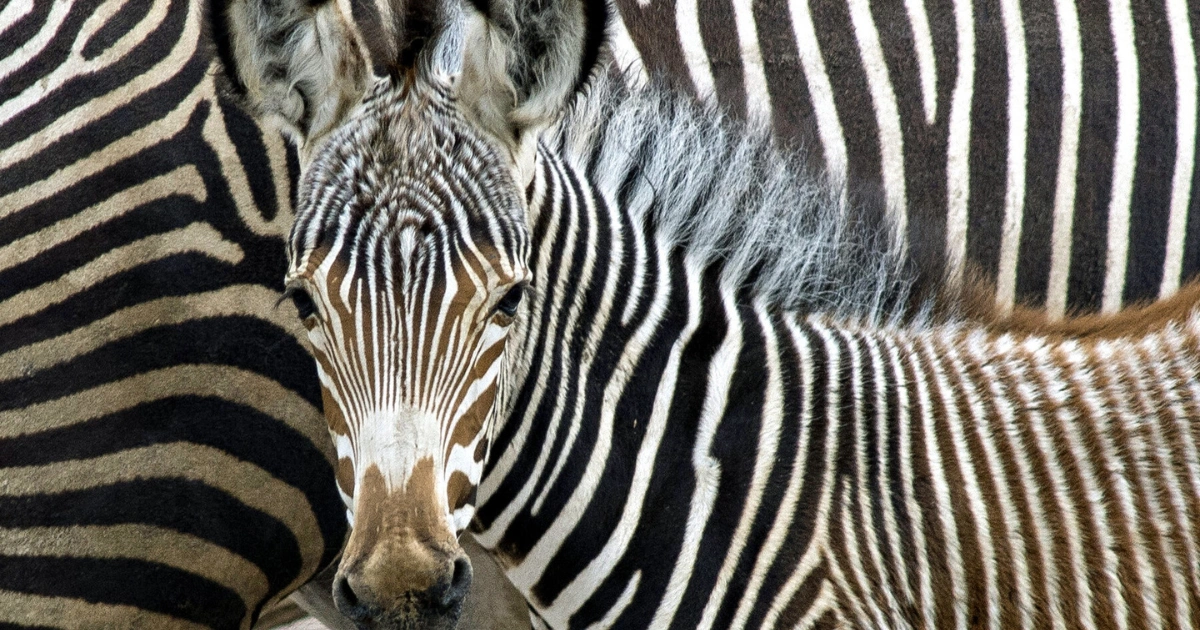
Zebras are among the most recognizable animals on Earth, known for their striking black-and-white stripes and strong presence across African landscapes. But many people don’t realize that there are several distinct zebra species, each with unique characteristics, habitats, and behaviors.
In this guide, we explore the main types of zebras in Africa, how to identify them, and what makes each one special.
Primary Keyword: zebra species
Related keywords: African zebras, plains zebra, Grevy’s zebra, mountain zebra, zebra stripes meaning, wildlife Africa, zebra habitat, zebra differences
Understanding Zebra Species in Africa
There are three primary zebra species found across Africa, along with several subspecies. Each has adapted to different environments, from open savannas to mountainous terrains.
The Three Main Zebra Species
- Plains zebra (Equus quagga)
- Grevy’s zebra (Equus grevyi)
- Mountain zebra (Equus zebra)
Each species has evolved distinct physical traits and survival strategies, making them fascinating subjects for wildlife enthusiasts and researchers alike.
Plains Zebra: The Most Common Zebra Species
The plains zebra is the most widespread and commonly seen zebra across Africa. It includes several subspecies, many of which are illustrated in educational charts.
Key Characteristics
- Broad stripes that often extend under the belly
- Strong herd behavior and social structure
- Found in grasslands and savannas
Notable Subspecies
- Grant’s zebra
- Burchell’s zebra
- Chapman’s zebra
- Crawshay’s zebra
- Selous’ zebra
These subspecies differ mainly in stripe patterns and geographic distribution rather than major anatomical differences.
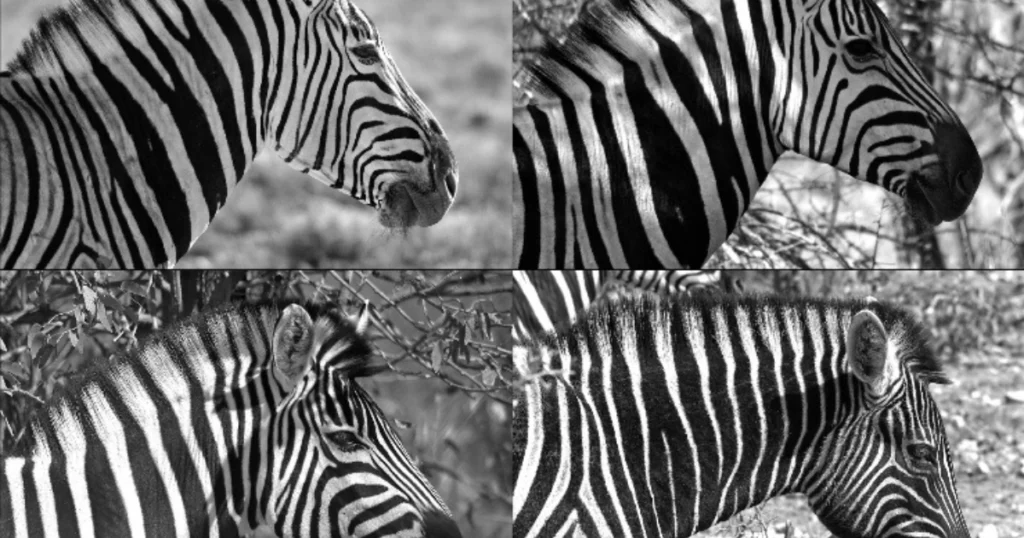
Grevy’s Zebra: The Largest and Most Distinct
Grevy’s zebra stands out as the largest zebra species and is easily recognizable by its narrow stripes and large ears.
Identifying Features
- Thin, closely spaced stripes
- White belly (no stripes underneath)
- Rounded, mule-like ears
Habitat and Behavior
- Prefers arid and semi-arid regions
- Less social than plains zebras
- Often found in smaller groups
Grevy’s zebra is also considered endangered, making conservation efforts critical.
Mountain Zebra: Adapted to Rugged Terrain
Mountain zebras are adapted to life in rocky and mountainous regions of southern Africa.
Distinct Traits
- Narrow stripes with a grid-like pattern on the rump
- Dewlap (a fold of skin) under the neck
- Sure-footed movement on steep terrain
Subspecies
- Cape mountain zebra
- Hartmann’s mountain zebra
These zebras are less numerous but have made a strong recovery thanks to conservation programs.
The Unique Case of the Quagga
The quagga is an extinct subspecies of the plains zebra, once found in South Africa. It had fewer stripes, mainly on the front half of its body, giving it a horse-like appearance.
Although extinct since the 19th century, modern breeding projects aim to recreate its appearance through selective breeding of plains zebras.
Why Do Zebras Have Stripes?
One of the most debated topics in animal science is the purpose of zebra stripes. Several theories exist:
- Camouflage in tall grass
- Confusion of predators during movement
- Regulation of body temperature
- Protection against biting insects
Research from institutions such as the Smithsonian National Zoo and University of California suggests that stripes may help deter insects, offering a practical survival advantage.
You can explore further through reputable sources such as:
How to Tell Zebra Species Apart
If you’re observing zebras in the wild or studying images, here are simple ways to distinguish them:
- Grevy’s zebra: thin stripes, large ears, white belly
- Plains zebra: wider stripes, common in herds
- Mountain zebra: grid pattern on hindquarters, dewlap
Paying attention to stripe patterns and body shape can quickly help identify each species.
Habitat and Distribution of Zebra Species
Zebras are spread across various regions in Africa, depending on the species:
- Plains zebra: East and Southern Africa
- Grevy’s zebra: Northern Kenya and parts of Ethiopia
- Mountain zebra: Namibia and South Africa
Each species has adapted to its environment, whether it’s open grasslands or rugged mountains.
Conservation Status and Challenges
While plains zebras remain relatively stable, other zebra species face significant threats.
Major Challenges
- Habitat loss due to human expansion
- Competition with livestock
- Poaching and illegal hunting
Conservation Efforts
Organizations and wildlife reserves are working to protect zebra populations through habitat preservation and breeding programs.
Grevy’s zebra, in particular, is classified as endangered, with fewer individuals remaining in the wild.
Internal Linking Suggestions
For better site structure and reader engagement on secretsofthegreengarden.com, consider linking to:
- “Wild Animals That Help Your Garden Ecosystem”
- “How Biodiversity Supports a Healthy Environment”
- “Natural Ways to Attract Wildlife to Your Outdoor Space”
FAQ About Zebra Species
How many zebra species exist?
There are three main zebra species: plains zebra, Grevy’s zebra, and mountain zebra, each with unique traits and habitats.
Which zebra species is the rarest?
Grevy’s zebra is the rarest and is currently listed as endangered.
Are all zebra stripes the same?
No, each zebra has a unique stripe pattern, similar to human fingerprints.
Can zebra species interbreed?
Some zebra species can interbreed, particularly within subspecies of plains zebras, but it is less common between distinct species.
Why is the quagga extinct?
The quagga was hunted extensively in the 19th century, leading to its extinction.
Final Thoughts
Zebra species represent an incredible example of nature’s diversity and adaptation. From the widespread plains zebra to the rare Grevy’s zebra and the resilient mountain zebra, each plays a vital role in Africa’s ecosystems.
Understanding their differences not only enhances wildlife appreciation but also highlights the importance of conservation. Protecting these iconic animals ensures that future generations can continue to witness their beauty in the wild.