
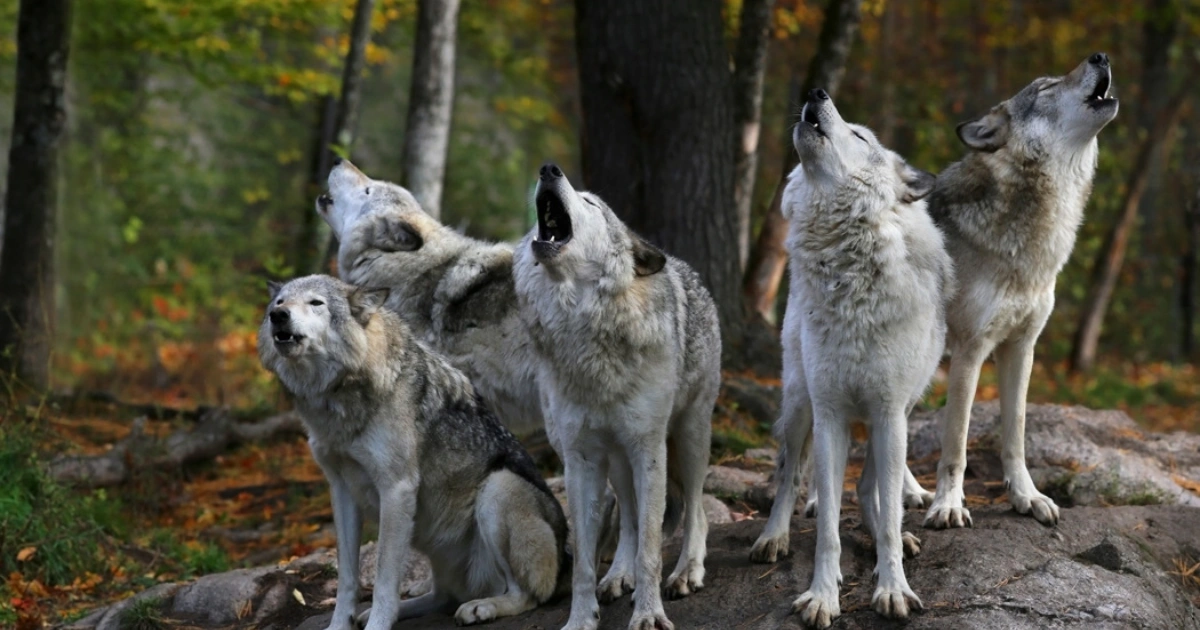
Wolves are among the most iconic and intelligent predators on Earth. Known for their complex social structures and adaptability, they inhabit a wide range of environments across the globe. However, not all wolves are the same. There are multiple subspecies, each uniquely adapted to its habitat.
In this guide, you will explore the most well-known wolf subspecies, their differences, habitats, and ecological importance.
What Is a Wolf Subspecies?
A subspecies is a distinct population within a species that has developed unique physical and behavioral traits due to geographic isolation and environmental conditions.
In the case of wolves (Canis lupus), subspecies vary in:
- Size and body shape
- Coat color and thickness
- Behavior and hunting strategies
- Habitat preferences
Understanding these differences helps us appreciate the diversity within the wolf population.
Major Wolf Subspecies Around the World
Iberian Wolf
Native to the Iberian Peninsula, this wolf is known for its distinctive markings.
Key traits:
- Medium size
- Brown-gray coat with darker markings
- Adapted to forested and mountainous regions
White Wolf
Often associated with snowy environments, white wolves are well-camouflaged in winter landscapes.
Characteristics:
- Thick, light-colored fur
- Strong resistance to cold
- Found in northern regions
Northwestern Wolf (Columbia)
One of the largest wolf subspecies, commonly found in North America.
Features:
- Large body size
- Thick fur
- Strong pack hunting behavior
Ethiopian Wolf
This rare and unique subspecies is native to the highlands of Ethiopia.
Highlights:
- Slim body and reddish coat
- Specialized diet, mainly small rodents
- One of the most endangered wolves
Mackenzie Wolf
Also known as the Canadian timber wolf, it is among the largest wolves.
Details:
- Heavy build
- Thick coat for cold climates
- Found in Canada and Alaska
Gray Wolf
The most widespread and well-known subspecies.
Key facts:
- Highly adaptable
- Found across North America, Europe, and Asia
- Varies in color from gray to black
Arctic Wolf
Specialized for life in extreme cold environments.
Adaptations:
- White coat for camouflage
- Shorter ears to reduce heat loss
- Lives in Arctic regions
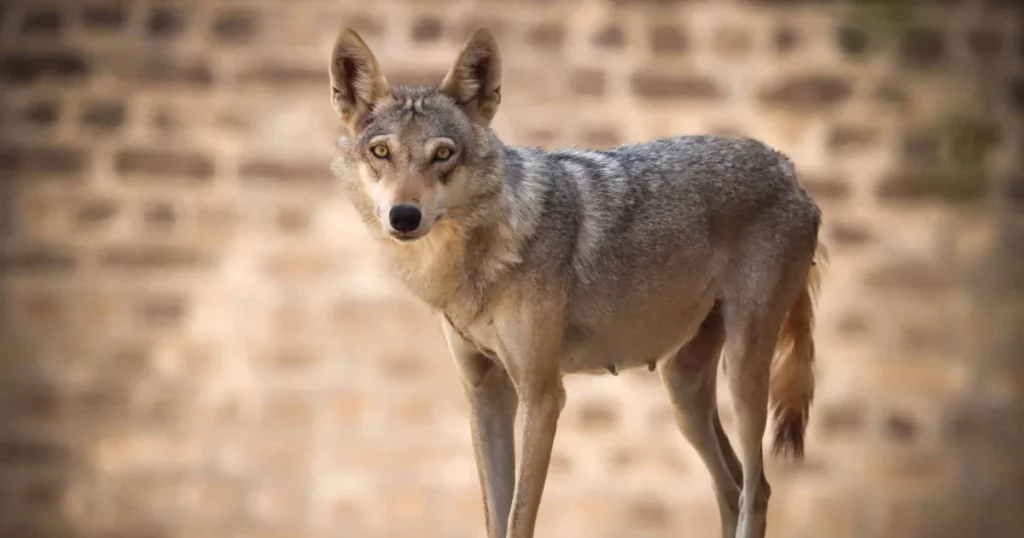
Indian Wolf
A smaller and more heat-tolerant subspecies.
Traits:
- Thin coat
- Adapted to dry, hot climates
- Found in India and surrounding areas
Red Wolf
One of the rarest wolves in the world.
Characteristics:
- Reddish coat
- Smaller size
- Native to the southeastern United States
Key Differences Between Wolf Subspecies
Size and Build
- Northern wolves tend to be larger and heavier
- Southern wolves are generally smaller and leaner
Coat and Color
- Arctic wolves have white coats
- Forest wolves often have gray or brown fur
- Some subspecies display reddish tones
Habitat Adaptation
Wolves have adapted to diverse environments:
- Arctic tundra
- Dense forests
- Mountains
- Grasslands
- Semi-desert regions
This adaptability is one of the reasons wolves have survived for thousands of years.
Behavior and Social Structure
Despite their differences, most wolf subspecies share similar social behaviors.
- Live in structured packs
- Communicate through vocalizations and body language
- Cooperate during hunting
Pack dynamics are essential for survival, especially when hunting large prey.
Ecological Importance of Wolves
Wolves play a crucial role as apex predators.
They help:
- Regulate prey populations
- Prevent overgrazing
- Maintain ecosystem balance
Their presence often leads to healthier ecosystems, a concept known as a trophic cascade.
Conservation Challenges
Many wolf subspecies face serious threats, including:
- Habitat destruction
- Human-wildlife conflict
- Illegal hunting
- Climate change
Some, like the Ethiopian wolf and red wolf, are critically endangered and require urgent conservation efforts.
Internal Linking Suggestions
To improve engagement on secretsofthegreengarden.com, consider linking to related articles such as:
- How Wildlife Supports a Healthy Garden Ecosystem
- Natural Ways to Attract Beneficial Animals
- Understanding Predator-Prey Relationships in Nature
These topics connect wildlife knowledge with environmental awareness.
External Resources for Reliable Information
For accurate and research-based insights, refer to:
- World Wildlife Fund (WWF) – Wolves
https://www.worldwildlife.org - International Union for Conservation of Nature (IUCN)
https://www.iucn.org - National Geographic – Wolf Species Guide
https://www.nationalgeographic.com
These organizations provide trusted information on wildlife and conservation.
FAQ: Wolves and Subspecies
How many wolf subspecies exist?
There are over 30 recognized subspecies of the gray wolf, though classifications can vary depending on scientific criteria.
What is the largest wolf subspecies?
The Mackenzie wolf (Canadian timber wolf) is considered one of the largest.
Are all wolves dangerous to humans?
Wolves generally avoid humans and rarely pose a threat unless provoked.
Why are some wolves endangered?
Habitat loss, hunting, and human conflict are the main causes.
Can different wolf subspecies interbreed?
Yes, many wolf subspecies can interbreed, as they belong to the same species.
Conclusion
Wolves are not just a single species but a diverse group of subspecies adapted to a wide range of environments. From the icy Arctic to the highlands of Ethiopia, each subspecies plays a vital role in its ecosystem.
Understanding these differences helps highlight the importance of conservation and the need to protect these remarkable animals for future generations.