
Choosing the correct wire fence height is essential for keeping farm animals secure, reducing escape risks, and preventing injuries. Each species has different behaviors, strength levels, and jumping abilities, which means a one-size-fits-all fence rarely works on a mixed farm.
This guide explains recommended wire fence heights for common farm animals, why height matters, and how to adapt fencing to real-world conditions.
Primary keyword: wire fence heights for farm animals
Why Fence Height Matters in Livestock Management
Fence height is one of the most important factors in animal containment. A fence that is too low encourages jumping, climbing, or pushing through, while an overly tall fence can increase costs without adding meaningful security.
Proper fence height helps:
- Prevent escapes and property damage
- Reduce stress and injury in animals
- Protect crops, gardens, and neighboring land
- Improve long-term fence durability
Correct design balances animal behavior with material strength.
General Principles for Wire Fencing
Before selecting heights, several general principles apply to all wire fences.
Effective wire fencing should:
- Match animal size and behavior
- Use strong corner and end posts
- Maintain consistent wire spacing
- Be checked regularly for tension and damage
Height works best when combined with proper spacing and solid construction.
Recommended Wire Fence Heights by Animal Type
Sheep Fence Height Requirements
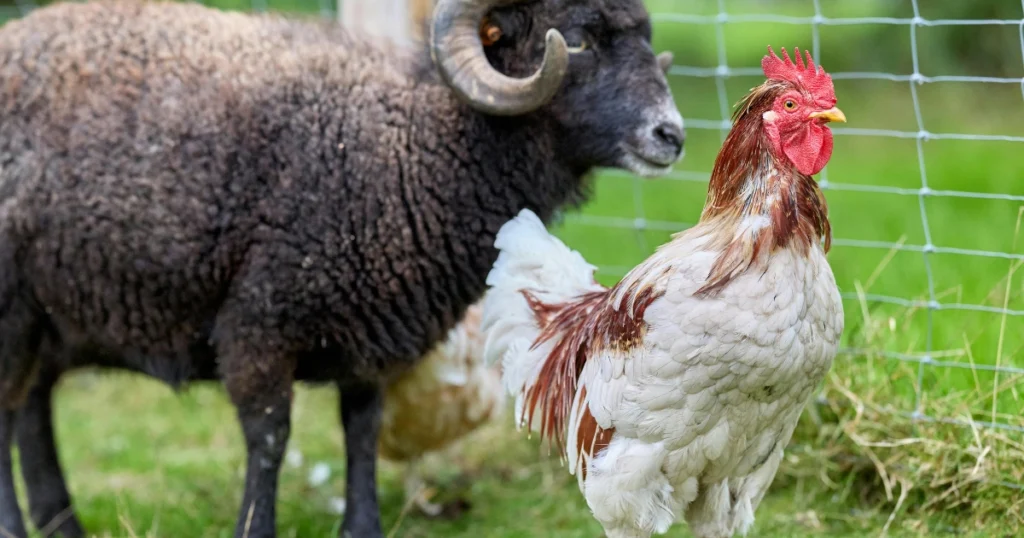
Sheep are not strong jumpers but can push through weak fencing, especially lambs.
Typical recommendations:
- Total fence height around 120 cm
- Lower wires placed close together
- Bottom wire positioned low to prevent crawling
Tighter wire spacing is often more important than extreme height for sheep.
Goat Fence Height Requirements
Goats are agile, curious, and excellent climbers. They are among the most challenging animals to contain.
Recommended features:
- Fence height between 120 and 140 cm
- Strong wire with minimal flexibility
- Secure posts to prevent leaning
Goats test fences constantly, so durability matters as much as height.
Pig Fence Height Requirements
Pigs rarely jump but are powerful and persistent diggers.
Common fencing guidelines:
- Fence height around 75 cm
- Very low bottom wire to prevent rooting
- Strong posts to resist pushing
Electric reinforcement is often added for pigs, but height still plays a role in containment.
Dog Fence Height Requirements
Farm dogs vary widely in size and athletic ability.
General recommendations:
- Fence height from 90 to 120 cm
- Smaller wire spacing for agile breeds
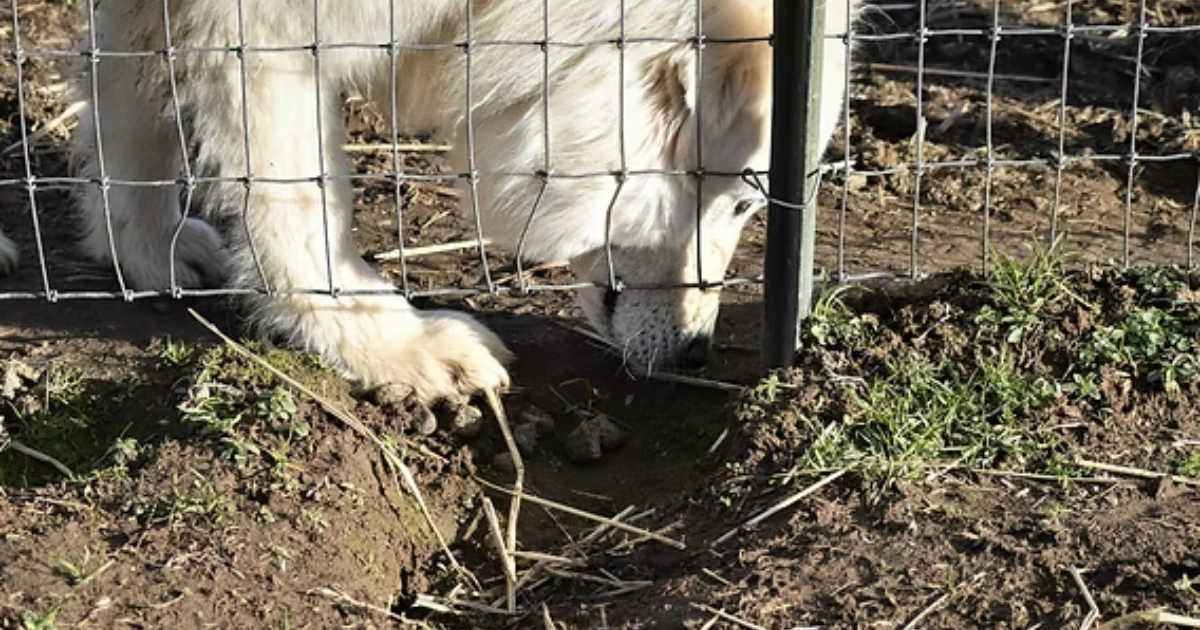
- Secure anchoring to prevent digging
Larger or more active dogs may require taller fencing.
Horse Fence Height Requirements
Horses are tall, fast, and easily startled. Fence height is critical for safety.
Typical guidelines:
- Fence height around 140 cm
- Clearly visible top rail or wire
- Smooth wire options to reduce injury risk
Height helps prevent jumping while visibility reduces collision risk.
Cow Fence Height Requirements
Cattle are large but generally not jumpers. Strength matters more than height, but minimum standards still apply.
Recommended setup:
- Fence height around 120 cm
- Strong wire and posts
- Adequate spacing to discourage leaning
Well-maintained fences prevent cattle from pushing or rubbing until failure.
Wire Spacing and Post Placement
Fence height alone does not guarantee effectiveness. Wire spacing determines whether animals can slip through or get stuck.
Best practices include:
- Smaller spacing near the ground
- Even spacing between wires
- Strong corner bracing
Posts should be placed close enough to maintain tension, especially for goats and horses.
Terrain and Environmental Considerations
Fence height must account for uneven ground, slopes, and erosion.
Adjustments may include:
- Extra height on downhill sections
- Buried bottom wire in soft soil
- Additional posts in windy areas
Ignoring terrain can effectively lower fence height in critical areas.
Common Fencing Mistakes to Avoid
Many fencing failures come from design oversights rather than material quality.
Avoid these mistakes:
- Using the same fence height for all animals
- Ignoring bottom wire placement
- Underestimating animal behavior
- Skipping regular maintenance
A fence that works today may fail tomorrow without inspection.
Maintenance and Long-Term Performance
Even well-designed fences require upkeep.
Regular maintenance includes:
- Tightening loose wires
- Replacing damaged posts
- Clearing vegetation that weakens tension
- Checking height consistency over time
Preventive maintenance extends fence life and improves safety.
FAQ: Wire Fence Heights for Farm Animals
Can one fence height work for multiple animals?
Sometimes, but mixed-species farms usually need to design for the most challenging animal, often goats or horses.
Is taller fencing always better?
No. Excessive height increases cost and may not improve containment if wire spacing and strength are inadequate.
Should electric wire be added?
Electric wire can enhance effectiveness, especially for pigs and goats, but proper height remains essential.
How low should the bottom wire be?
Bottom wires are typically placed 20 to 25 cm above ground, depending on species and soil conditions.
How often should fence height be checked?
At least seasonally, and after storms, flooding, or animal pressure.
Internal Linking Suggestions
To improve topical authority on secretsofthegreengarden.com, link this article to related content such as:
- Farm Animal Housing Basics
- Sustainable Livestock Management
- Garden Protection from Farm Animals
Use anchor text that matches article titles or closely related phrases.
Final Thoughts
Understanding wire fence heights for farm animals is a key part of responsible livestock management. Each species requires a tailored approach that considers behavior, strength, and environment.
By choosing appropriate fence heights and maintaining them properly, farmers and homesteaders can create safer enclosures, reduce losses, and improve overall animal welfare with long-lasting results.
Không chỉ nổi bật về bảo mật, 888slot còn được đánh giá cao nhờ dịch vụ hỗ trợ khách hàng chuyên nghiệp 24/7. Mọi thắc mắc về đăng ký, nạp rút hay khuyến mãi đều được giải đáp nhanh chóng qua live chat. TONY04-03O
cheap cigarettes in australia
The Contradiction of an Australian Cigarette Website: Health Advice vs. Sales
A website has appeared offering Australians the opportunity to purchase cigarettes and tobacco with delivery to their door. The website, which goes by Australia Tobacconist Hub, is full of mixed messages: aggressive marketing of cheap cigarettes alongside formal warnings about the health risks of tobacco use.
Product Range
The platform’s main target audience is people who smoke looking to save money. Among the products listed are:
Double Happiness brand — $190 per carton (10 packets x 20’s)
Manchester Sapphire Blue (Dubai Edition) — $220 per carton
Manchester Special Edition Flow Red – Dubai Edition — $250 per block
Manchester Blue Crush (Dubai Version) — $250 per block
Dunhill Blue (UK Version) — $220 per block
Dunhill Red – UK Edition — $190 per block
Benson and Hedges Gold — $160 per carton
Zhongnanhai brand — $180 per carton
The seller stresses “affordable rates” (Cheap Tobacco Australia) and the availability of well-known names such as Marlboro, Manchester, Bossku, Double Happiness, and others.
Delivery and Payment Methods
The seller claims to offer quick, dependable, and private shipping across Australia (Fast Tobacco Delivery Australia). They state that they take various payment options including bank transfer, USDT, PayPal, Wise, and more. Customer interaction is done via WhatsApp, email, and other messaging apps — a standard practice in the unlicensed sector for internet cigarette shops.
The Contradiction in Messaging
Remarkably, the very same site that sells cigarettes (while formally warning that it is illegal to sell tobacco products to minors) also displays a “STOP SMOKING” banner with an drawing of lungs crossed by a cigarette.
In a part named “STOP TOBACCO”, the text says:
“Giving up smoking is hard, but every effort counts. Within minutes, your body starts recovering — and as time goes by, your health and vitality return. Let’s start today!”
This anti-smoking advice sits directly alongside a list of items for sale selling cartons for $160–$250 and a call to action: “Purchase cigarettes online in Australia for the lowest price.” Such double messaging is characteristic of illegal or semi-legal cigarette sellers that try to feign social responsibility while continuing to sell addictive products.
Potential Legal Problems
The text leaves unclear whether the seller has a proper local permit for tobacco. Australia is famous for some of the strictest tobacco laws in the world, including standardised packaging rules and extremely high excise taxes. The offer of “cheap” cigarettes — especially “Dubai Edition” or “UK Version” — often points to untaxed, smuggled, or counterfeit goods.
Summary
The online shop described above is a classic case of a shadow online tobacco business. It takes advantage of smokers’ desire to save money in the midst of Australia’s high legal tobacco taxes, while using as a shield empty health warnings and promises of good service. Those thinking of purchasing should be aware that purchasing unregulated cigarettes carries not only legal risks but also a total absence of any assurance regarding product safety and authenticity.