
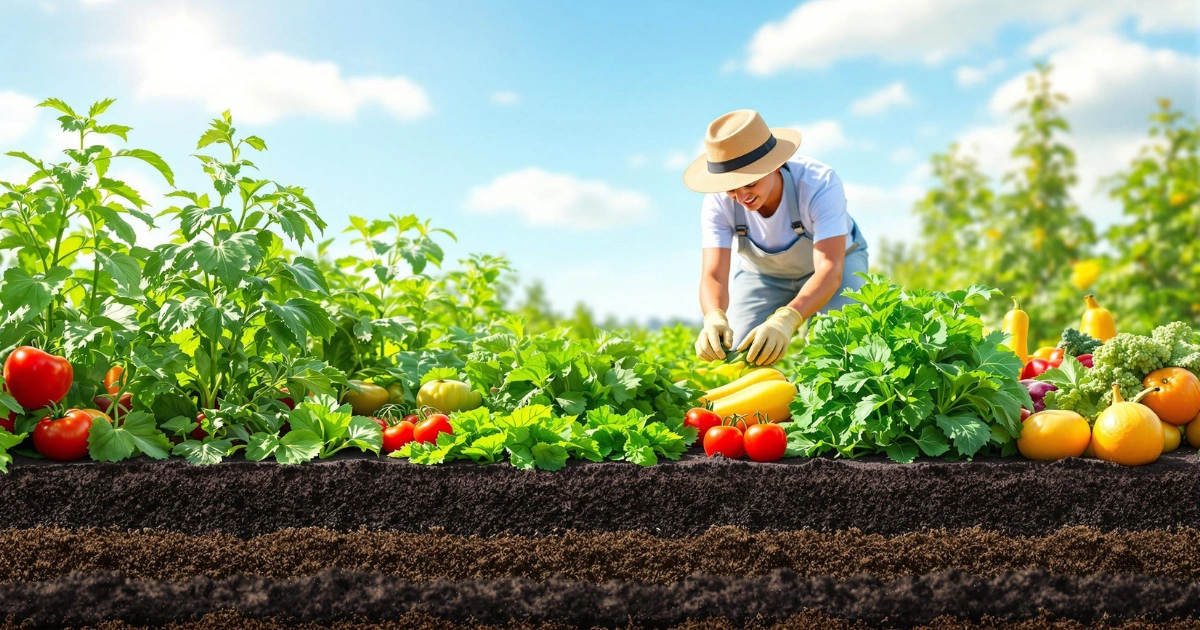
A productive vegetable garden is not just about what you plant, but also when and where you plant it. Crop rotation, or planting vegetables in sequence, is one of the most effective strategies to improve soil fertility, reduce pests, and increase yields naturally.
In this guide, you will learn how to use vegetable crop rotation effectively, with practical planting sequences and expert tips to maximize your garden’s potential.
What Is Crop Rotation and Why It Matters
Crop rotation is the practice of growing different types of crops in the same area across seasons. Instead of planting the same vegetable repeatedly in one spot, you rotate plant families to maintain soil balance.
This method helps:
- Prevent soil nutrient depletion
- Reduce pest and disease buildup
- Improve soil structure and fertility
- Boost overall crop productivity
Using vegetable crop rotation consistently can transform even a struggling garden into a thriving one.
How Vegetable Crop Rotation Works
Different plants have different needs and effects on the soil.
- Some plants consume heavy nutrients (like tomatoes)
- Others restore nutrients (like legumes)
- Some break pest cycles naturally
By rotating crops strategically, you allow the soil to recover while minimizing pest pressure.
Best Vegetable Sequences for Your Garden
Here are proven planting sequences that work well in home gardens:
Tomatoes Followed by Broad Beans
Tomatoes are heavy feeders, especially of nitrogen. Broad beans, being legumes, fix nitrogen in the soil.
This sequence:
- Restores soil nutrients
- Prepares the ground for future crops
Potatoes Followed by Squash
Potatoes loosen the soil as they grow, while squash spreads and covers the ground.
Benefits:
- Improved soil aeration
- Reduced weed growth due to squash coverage
Brassicas Followed by Carrots
Brassicas (like cabbage and broccoli) are heavy feeders. Carrots require lighter, well-structured soil.
This rotation:
- Balances nutrient usage
- Improves root development
Garlic Followed by Lettuce
Garlic has natural pest-repelling properties. Lettuce benefits from the cleaner soil environment.
Advantages:
- Reduced pest pressure
- Better leafy growth
French Beans Followed by Leeks
Beans enrich the soil with nitrogen, while leeks are moderate feeders.
This pairing:
- Enhances soil fertility
- Supports steady crop growth
Leeks Followed by Tomatoes
After leeks, the soil is well-structured and ready for nutrient-demanding crops like tomatoes.
Courgettes Followed by Onions
Courgettes consume many nutrients, while onions require less.
This sequence:
- Prevents overexhaustion of soil
- Maintains balance
Spinach Followed by Tomatoes
Spinach grows quickly and lightly uses nutrients, leaving the soil suitable for heavier crops.
Carrots Followed by Green Manure
After harvesting carrots, planting green manure (like clover or rye) restores soil health.
Benefits:
- Adds organic matter
- Improves soil structure
- Prevents erosion
Key Principles for Successful Crop Rotation
To get the most out of vegetable crop rotation, follow these essential rules:
Rotate by Plant Family
Avoid planting vegetables from the same family in the same spot consecutively.
Examples:
- Tomatoes, potatoes, peppers (nightshade family)
- Cabbage, broccoli, kale (brassica family)
Alternate Heavy and Light Feeders
Switch between crops that consume a lot of nutrients and those that use less or restore them.
Include Legumes Regularly
Beans and peas enrich the soil naturally by fixing nitrogen.
Use Cover Crops
Green manure crops protect and improve soil during off-seasons.
Common Mistakes to Avoid
Even experienced gardeners sometimes overlook key aspects of rotation.
- Replanting the same crop in the same location each year
- Ignoring plant families
- Skipping soil-restoring crops
- Overlooking seasonal timing
Avoiding these mistakes ensures long-term soil health and consistent yields.
Seasonal Planning for Crop Rotation
Spring
- Start with leafy greens and early crops
- Prepare soil with compost
Summer
- Transition to fruiting plants like tomatoes and squash
Fall
- Plant root vegetables or cover crops
Winter
- Allow soil to rest or grow green manure
Planning ahead is crucial for successful rotation.
Internal Linking Suggestions
To enhance your gardening strategy, link this article to related content on secretsofthegreengarden.com such as:
- Beginner’s Guide to Organic Vegetable Gardening
- Best Natural Fertilizers for Home Gardens
- How to Improve Soil Fertility Naturally
These topics support crop rotation and provide deeper insights.
External Resources for Trusted Information
For science-based gardening advice, consult:
- University of California Agriculture & Natural Resources
https://ucanr.edu - Royal Horticultural Society Crop Rotation Guide
https://www.rhs.org.uk - USDA Soil Health Resources
https://www.usda.gov
These organizations offer reliable and research-backed guidance.
FAQ: Vegetable Crop Rotation
How often should I rotate crops?
Ideally, rotate crops every growing season to prevent nutrient depletion and pest buildup.
Can I use crop rotation in small gardens?
Yes. Even small spaces benefit from rotation by dividing areas or using containers strategically.
What happens if I don’t rotate crops?
Soil fertility declines, pests increase, and yields may decrease over time.
Are raised beds suitable for crop rotation?
Yes, raised beds are excellent for managing rotation plans more easily.
Do I need to track my planting history?
Keeping a simple garden journal helps you plan rotations effectively and avoid repeating crops.
Conclusion
Vegetable crop rotation is one of the most powerful yet simple techniques for maintaining a healthy and productive garden. By carefully planning what to plant in sequence, you improve soil fertility, reduce pests, and ensure better harvests year after year.
With the right combinations and a bit of planning, your garden can become more resilient, sustainable, and rewarding.