
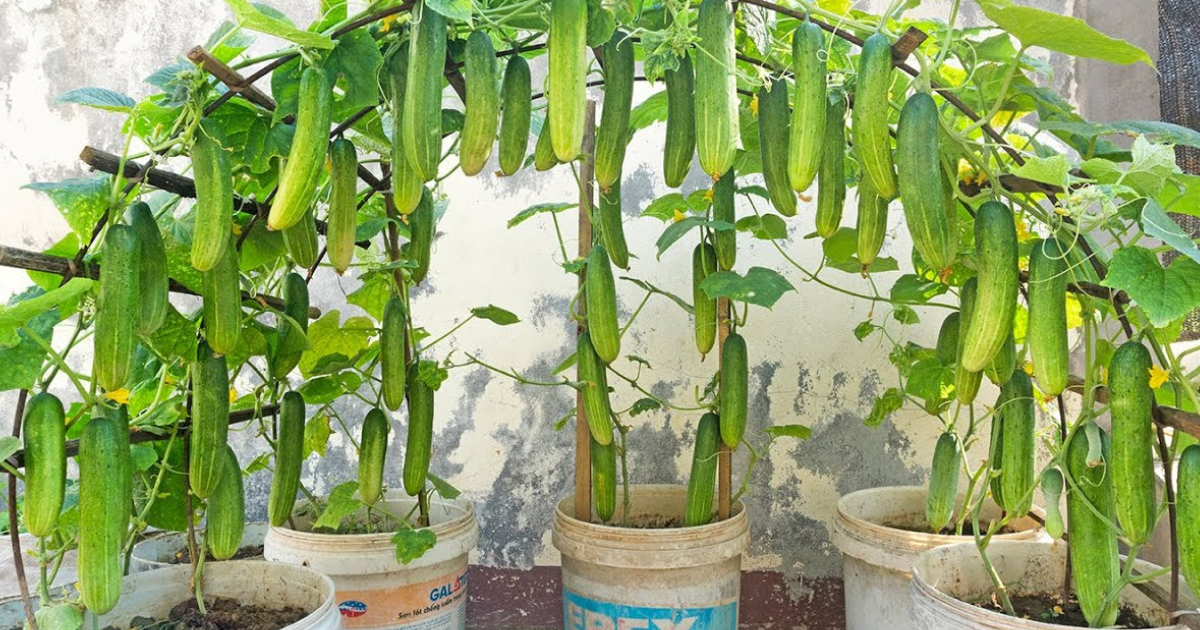
Gardeners are always searching for natural, low-cost ways to improve harvests while keeping soil healthy. One surprisingly effective method involves a material most households throw away without a second thought: eggshells. When prepared and used correctly, eggshells can support cucumber growth, strengthen plants, and contribute to better overall yields.
This article explains how eggshells work in the garden, why cucumbers benefit from calcium, how to prepare eggshells properly, and how to apply them safely and effectively.
Primary keyword: eggshells for cucumbers
Why Cucumbers Need Calcium
Cucumbers are fast-growing plants with high nutrient demands. Among these nutrients, calcium plays a critical role in plant development. It supports cell wall structure, root growth, and the movement of nutrients within the plant.
When cucumbers lack adequate calcium, they may show signs such as weak stems, reduced fruit quality, and poor stress tolerance. Calcium imbalance can also contribute to physiological disorders that reduce productivity.
Eggshells provide a slow-release source of calcium that supports steady plant development throughout the growing season.
What Eggshells Contribute to Garden Soil
Eggshells are composed primarily of calcium carbonate, the same compound found in agricultural lime. When broken down in soil, calcium carbonate helps:
- Strengthen plant cell walls
- Support root development
- Improve nutrient uptake
- Slightly moderate soil acidity over time
While eggshells are not a complete fertilizer, they function as a valuable soil amendment when used alongside compost and balanced nutrients.
Turning Eggshells into a Garden Resource
Raw eggshells should not be added directly to soil in large pieces, as they break down slowly and may attract pests. Proper preparation improves both safety and effectiveness.
How to Prepare Eggshells for Gardening
- Rinse eggshells thoroughly to remove residue
- Allow them to dry completely
- Bake at low temperature for about 10 minutes to sterilize and make them brittle
- Grind into a fine powder using a grinder or mortar and pestle
Finely ground eggshells break down more efficiently and release calcium faster.
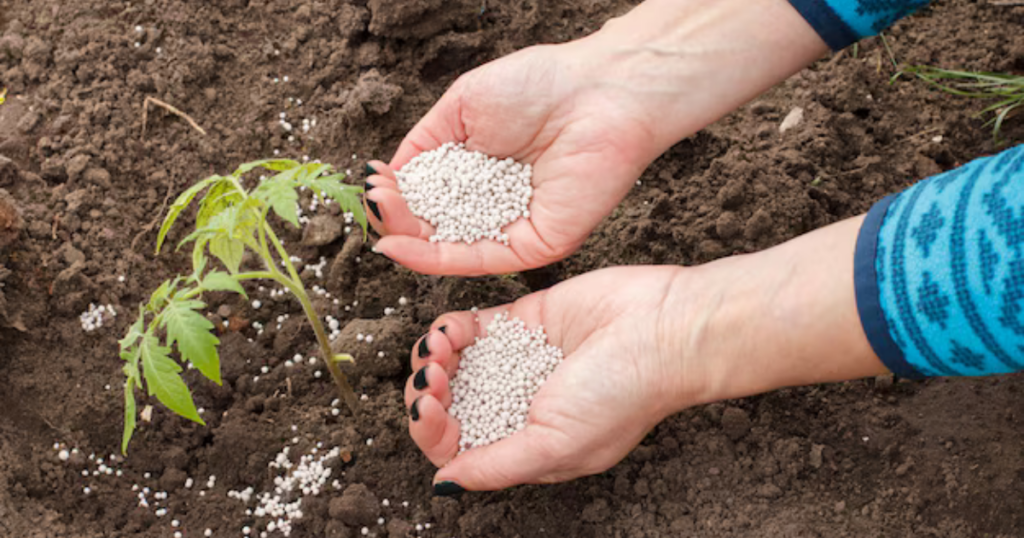
Best Ways to Use Eggshells for Cucumbers
There are several effective methods for incorporating eggshells into cucumber cultivation.
Soil Amendment Before Planting
Mix eggshell powder into the soil before planting cucumbers. This allows calcium to be present near developing roots from the beginning.
This method works best when combined with compost or organic matter.
Side Dressing During Growth
Sprinkle eggshell powder around the base of cucumber plants as they grow. Water afterward to help move calcium into the soil.
Side dressing supports fruit development when nutrient demand increases.
Eggshell Water for Supplemental Calcium
Eggshells can also be used to make a calcium-infused watering solution.
To prepare:
- Add powdered eggshells to water
- Let the mixture sit for several days
- Water the soil, not the leaves
This provides a small, soluble calcium boost without overwhelming the soil.
Can Eggshells Really Increase Cucumber Yield
Eggshells alone do not magically double yields. However, when calcium deficiency is a limiting factor, improving calcium availability can lead to healthier plants, better fruit development, and improved overall productivity.
Gardeners often notice:
- Stronger vines
- Improved fruit firmness
- Reduced stress damage
- More consistent growth
These improvements contribute to better harvest results over time.
Eggshells as a Natural Pest Deterrent
Crushed eggshells can discourage some soft-bodied pests such as slugs and snails. Coarser shell fragments create an abrasive surface that pests prefer to avoid.
While powdered eggshells are more effective for nutrient delivery, slightly larger fragments may help reduce pest pressure around young plants.
Sustainability Benefits of Using Eggshells
Recycling eggshells in the garden supports sustainable gardening practices by reducing household waste and minimizing reliance on synthetic soil amendments.
Using eggshells aligns well with organic gardening principles and closed-loop systems where kitchen waste becomes a resource rather than trash.
Common Mistakes to Avoid
Using eggshells incorrectly can limit their effectiveness.
Avoid these common issues:
- Applying large shell pieces without grinding
- Expecting immediate results
- Using eggshells as a complete fertilizer
- Applying excessive amounts
Eggshells work best as a long-term soil amendment, not a quick fix.
When Eggshells May Not Help
If soil already contains sufficient calcium, additional eggshells may have little effect. Soil testing can help determine whether calcium is actually needed.
Cucumbers may also struggle due to issues unrelated to calcium, such as poor drainage, lack of nitrogen, or insufficient sunlight.
Frequently Asked Questions
Are eggshells good for cucumbers
Yes, eggshells can support cucumber growth by providing calcium when prepared and applied properly.
How much eggshell powder should I use
A small handful per plant spread over the season is sufficient. More is not better.
Do eggshells change soil pH
Eggshells may slightly reduce soil acidity over time, but the effect is mild.
Can I use raw eggshells
Raw shells should be cleaned, dried, and ground to avoid pests and slow breakdown.
How long does it take for eggshells to work
Eggshells release calcium slowly, so benefits appear gradually over the growing season.
Internal Linking Suggestions
From secretsofthegreengarden.com, consider linking to:
- Natural Soil Amendments for Healthier Vegetables
- Organic Ways to Improve Cucumber Production
- Kitchen Scraps You Can Safely Use in the Garden
External High-Authority Sources
For additional scientific context:
- United States Department of Agriculture – soil nutrient management
- University of California Agriculture and Natural Resources – calcium in plant health
- Royal Horticultural Society – soil amendments and vegetable care
Final Thoughts
Eggshells are not a miracle cure, but they are a valuable, sustainable tool for gardeners growing cucumbers. By supplying slow-release calcium, supporting soil health, and reducing waste, eggshells contribute to stronger plants and more reliable harvests.
When used correctly and combined with good gardening practices, eggshells can play a meaningful role in improving cucumber growth and overall garden resilience.
Với 188V , bạn sẽ không bao giờ gặp phải tình trạng bị văng game khi đang đặt cược. Hệ thống máy chủ được đặt tại nước ngoài cực mạnh. TONY02-25O
рейтинг казино
колесо удачи рулетка
Anybody heard of ipl live 2026? a freind told me about it and seems legit. any feedback?
slot online
Honestly, if you like card games at all you should just try it already. free rummy card games
I was skeptical about 777bet at first ngl but after actually using it for like 2 weeks I was suprised how smooth everything runs, kinda pleasently shocked by how responsive the whole site is honestly