
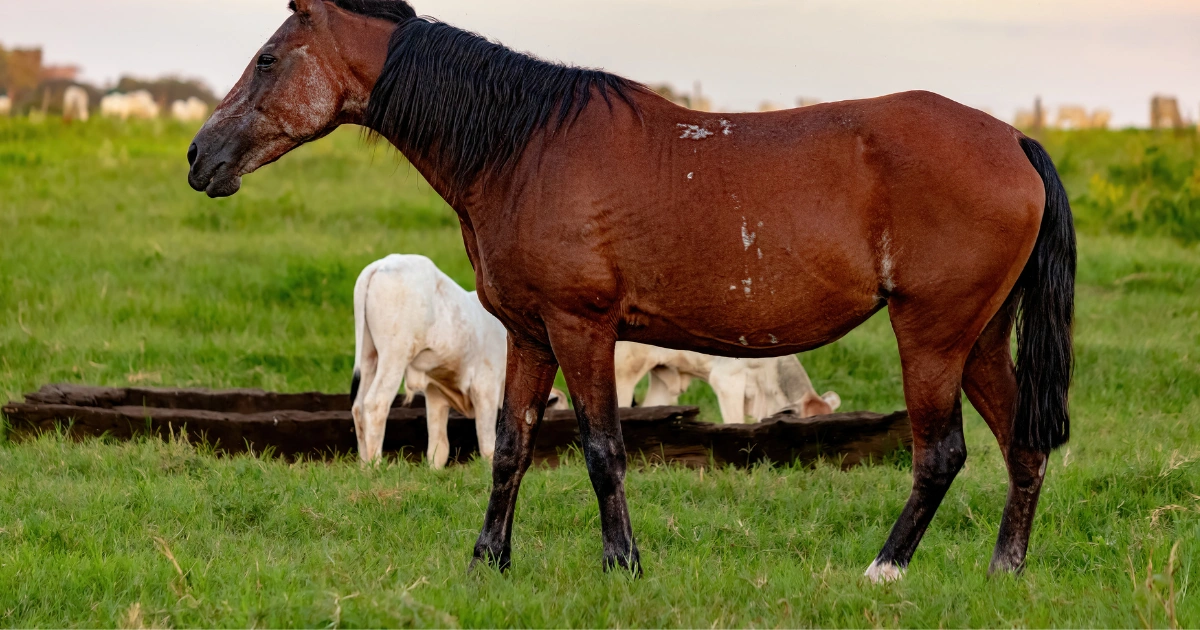
Proper handling of horses requires knowledge of their anatomy and sensitivity. Horses are prey animals with heightened awareness of touch and pressure in certain parts of their bodies. Recognizing the most sensitive areas helps prevent stress, injury, and enhances trust between horse and handler.
Very Sensitive Areas
Some areas of a horse’s body are extremely sensitive and should be approached with care:
- Head: The face, ears, and muzzle contain many nerve endings, making them highly reactive. Avoid sudden movements near the eyes or ears.
- Flanks: The sides of the horse, particularly near the ribs, are sensitive to touch and pressure. Be cautious when grooming or saddling this area.
Contact in these areas should be gentle, and handlers should monitor the horse’s reactions to avoid causing pain or fear.
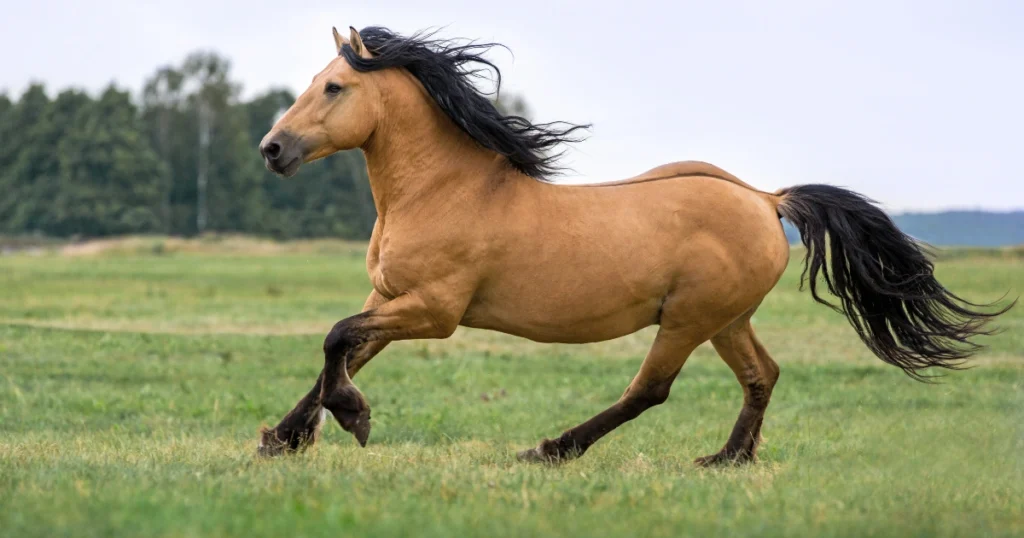
Moderately Sensitive Areas
These regions are moderately sensitive, meaning they can tolerate touch but may react if pressed too hard:
- Neck: While generally less sensitive, the upper neck can be reactive, especially near the withers.
- Shoulders and Upper Back: Horses may tolerate grooming or light pressure, but excessive force can trigger discomfort.
Handlers can use these areas for massage, grooming, or training, but always with gentle techniques.
Less Sensitive Areas
Some parts of a horse’s body are comparatively less sensitive and more suitable for handling:
- Lower Legs: While careful attention is still needed, the lower legs are less sensitive to touch.
- Croup and Hindquarters: These areas are less reactive, but care should be taken during mounting or cleaning.
Knowing which areas are less sensitive allows for safe handling, grooming, and tacking procedures.
Practical Tips for Handling Sensitive Areas
- Approach Calmly: Horses respond to the handler’s body language and voice. Approach slowly and speak softly.
- Observe Body Language: Look for signs of discomfort such as twitching, swishing tail, pinned ears, or shifting weight.
- Use Gentle Touch: Apply minimal pressure in very sensitive areas and gradually increase as the horse becomes comfortable.
- Reward Positive Behavior: Use treats or verbal praise to reinforce trust and cooperation.
- Educate New Handlers: Ensure beginners understand sensitivity zones to prevent injury to both horse and human.
FAQ
Why are horses so sensitive in certain areas?
Horses are prey animals with many nerve endings in areas like the head and flanks. Sensitivity helps them detect threats and react quickly.
Can handling sensitive areas harm a horse?
Yes, improper touch or force can cause pain, stress, and behavioral issues. Always handle gently and observe reactions.
How can I safely groom sensitive areas?
Use soft brushes, minimal pressure, and gradual desensitization techniques to ensure comfort.
Are these sensitivity zones the same for all horses?
Sensitivity varies by age, breed, and individual temperament, but the general zones are consistent across horses.
How does knowing these areas improve training?
Awareness of sensitive zones allows for effective, stress-free training, improves trust, and reduces the risk of injury.
Instant access to millions of digital products you can brand and sell as your own 🚀 ! ✓ Expansive kids’ product collection ! ✓ Hundreds of thousands of professionally written eBooks ! ✓ Fully customizable guides and workbooks ! ✓ PowerPoint and presentation templates ! ✓ Infographics and visual templates ! ✓ High-definition logo templates ! ✓ Print-on-demand T-shirt designs ! ✓ Video editing assets and motion graphic ! ✓ Graphic design resources ! ✓ Social media content packs ! ✓ Trending digital products across multiple niches ! ✓ Business and productivity templates ! ✓ Digital art collections ! ✓ Music producer assets ! ✓ Cyberpunk-themed collections ! ✓ Advanced 3D printing files ! ✓ Planner & journal creator ! ✓ ChatGPT prompt collection ! ✓ Fitness and wellness mega bundles ! And much more to explore here : http://unlimited-ai-tools.advertising4you.co.uk