
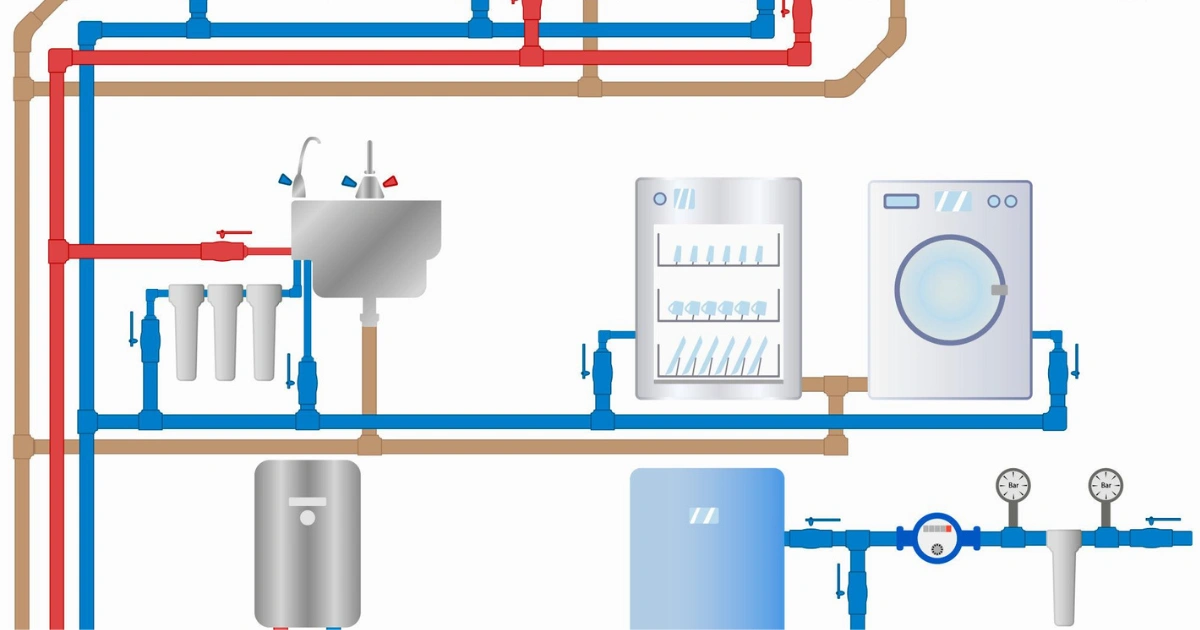
Efficient plumbing in multi-storey buildings is crucial for consistent water pressure, system longevity, and occupant satisfaction. Poorly designed plumbing can lead to reduced water flow, frequent pipe clogs, and uneven distribution between floors. This article explains the fundamentals of vertical water piping systems, common mistakes, and how to optimize flow for high-rise residential and commercial buildings.
How Water Distribution Works in Multi-Storey Buildings
In multi-level structures, water is usually supplied from an elevated storage tank or municipal connection at the top of the building. Water travels down through vertical pipes (also called risers) and branches off to individual apartments or floors. Each branch must maintain proper pressure and flow, which depends on pipe diameter, fittings, and layout.
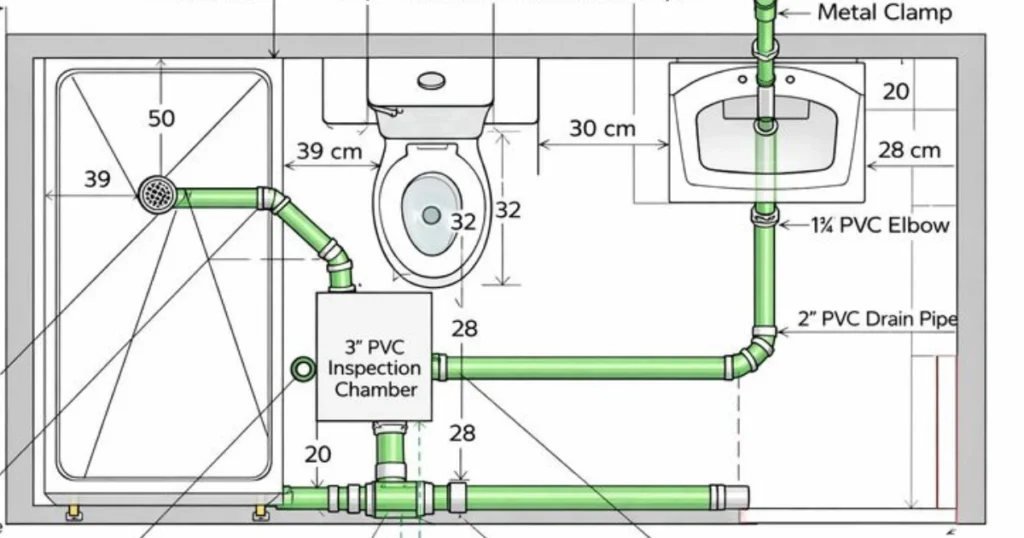
Key Elements of an Efficient System:
- Main Water Tank: Supplies water to all floors, typically placed on the roof to use gravity for consistent pressure.
- Risers: Vertical pipes carrying water to each floor.
- Branch Pipes: Smaller diameter lines that deliver water to taps, showers, and appliances.
- Valves and Control Fittings: Allow isolation of sections for maintenance without affecting the entire building.
Common Plumbing Mistakes and Their Impact
Design errors can dramatically affect water distribution:
- Excessive 90-Degree Elbows:
Sharp right-angle bends increase friction and reduce water velocity. Over time, debris can accumulate, causing clogs. - Incorrect Pipe Diameter Reduction:
Reducing pipe size too quickly or too drastically lowers pressure on lower floors. - Lack of Continuous Flow Planning:
Improper Y-fittings or poorly arranged branches create turbulence and uneven distribution between apartments. - Parallel Pipes Without Consideration:
Running multiple lines without balance can result in unequal water flow, leading to slow taps and inefficient use.
Optimizing Water Flow in Vertical Plumbing
Proper design ensures smooth flow and reduces maintenance:
- Use Gradual Bends (45-Degree Elbows): Minimizes friction and decreases clog risk while maintaining water velocity.
- Incorporate Y-Fittings: Directs flow more smoothly than T-fittings, allowing water to continue naturally while supplying branch lines.
- Maintain Consistent Pipe Diameter: Reduces pressure drops and ensures uniform water distribution to all floors.
- Plan for Continuous Flow: Proper layout ensures that water flows steadily through the main riser and branches without creating dead zones.
- Regular Inspection and Maintenance: Clean debris from elbows and check valves to maintain optimal flow.
Best Practices for Multi-Floor Plumbing
- Pressure Regulation: Install pressure-reducing valves for top floors to prevent high pressure from stressing pipes.
- Air Venting: Proper venting reduces the risk of water hammer and helps maintain smooth flow.
- Access Points: Include inspection hatches or clean-outs at critical bends and junctions for easy maintenance.
- Material Choice: Use high-quality pipes such as PVC, PEX, or copper, depending on budget, durability, and water quality.
Advantages of an Optimized Plumbing System
- Consistent water pressure for all floors
- Reduced clogging and maintenance frequency
- Increased lifespan of piping and fixtures
- Better water efficiency and reduced waste
- Enhanced satisfaction for residents or tenants
Internal Linking Suggestions
From secretsofthegreengarden.com, you may also find these articles relevant:
- Essential Home Plumbing Maintenance Tips
- How to Improve Water Pressure in Your Building
- Top Common Household Plumbing Mistakes to Avoid
Conclusion
A well-designed multi-storey plumbing system relies on correct pipe sizing, gradual bends, and efficient layout to ensure continuous, reliable water flow. Avoiding sharp 90-degree elbows, using Y-fittings, and maintaining proper diameters significantly improves system performance and reduces long-term maintenance. Whether building a new apartment complex or upgrading an existing building, these principles help guarantee consistent water supply and happier occupants.
وی ایزوله استروویت، با تامین سریع و باکیفیت تمام آمینو اسیدهای ضروری، به ویژه آمینو اسیدهای شاخهدار، به کاهش خستگی مرکزی کمک میکند.
کراتین مونوهیدرات،
یک ترکیب طبیعیه که از سه اسید آمینه گلیسین، آرژنین
و متیونین ساخته میشه.
Оформление вида на жительство в другой стране имеет большое значение.
Этот статус даёт право на постоянное пребывание в выбранной державе.
заказать эскорт вануату
Такое разрешение гарантирует доступ к местному медицинскому обслуживанию.
Наличие ВНЖ значительно облегчает процесс финансового обслуживания и ведения своего дела.
Таким образом, данное удостоверение является важнейшим этапом к ПМЖ или возможно гражданству.
فیتنس مکمل، منبع بهترین مکمل های اروجینال برای افرادی است که به سلامت و زیبای اندام خود، و کیفیت و اصالت مکمل ورزشی اهمیت میدهند.
وی الایت دایماتیز، یک پروتئین ترکیبی هوشمند است.
کراتین بلید اسپورت، با درجه خلوص دارویی تولید میشود.
پروتئین وی بلید اسپرت، به دلیل سرعت جذب بالا و پروفایل کامل آمینو اسیدی، پادشاه پروتئینها لقب گرفته است.
وی ایزوله بلید اسپرت، محصول کمپانی Blade Sport مجارستان است که با استفاده از تکنولوژیهای پیشرفته فیلتراسیون تولید شده است.
کراتین هیدروکلراید کیجد، یک فرم پیشرفته و مهندسیشده از مکمل کراتین است.
مس گینر ماسل مکس بلید اسپرت، یک مکمل افزایش وزن و حجمدهنده پیشرفته با فرمولاسیون اروپایی (ساخت مجارستان) است.
پروتئین وی امپایر وایکینگ فورس، ریشه در سوئد دارد، کشوری که استانداردهای کنترل کیفیتش در صنایع غذایی و مکمل، زبانزد عام و خاص است.
پروتئین وی بد اس، یک مکمل پروتئینی با کیفیت بالا است که از شیر بهدست میآید
مولتی ویتامین پلاتینیوم ماسل تک، یک مکمل غذایی باکیفیت است که به طور خاص برای ورزشکاران و افرادی که به دنبال بهبود عملکرد ورزشی خود هستند طراحی شده است.
گینر رول وان، یک فرمولاسیون پیشرفته برای افزایش وزن و حجم عضلانی است.
پروتئین وی گالوانایز، یک مکمل غذایی محبوب در بین ورزشکاران و افرادی است که به دنبال افزایش مصرف پروتئین خود هستند.
کراتین مونوهیدرات موتانت، یکی از خالصترین و باکیفیتترین مکملهای افزایش قدرت و حجم در دنیاست.
کراتین مونوهیدرات گالوانایز، یکی از محبوبترین و مورد مطالعهترین مکملهای ورزشی در جهان است.
مس گینر گالوانایز، یکی از بهترین گزینههای شماست اگر دنبال یک مکمل قوی برای افزایش میزان ماسه و تقویت عضلات هستید.
مس گینر بد اس، یک مکمل غذایی قدرتمند است که به طور خاص برای ورزشکاران و افرادی که به دنبال افزایش حجم عضلانی و قدرت بدنی هستند، طراحی شده است.
مس گینر روولوشن ماسل اسپرت، یک سیستم کامل برای افزایش کالری دریافتی و پشتیبانی از ریکاوری عضلانی است.
وی ایزوله ماسل کور، قلهی تکنولوژی فرآوری پروتئین وی است.
وی ایزوله اپتیموم نوتریشن، را میتوان استاندارد طلایی و مهندسیشدهترین فرم پروتئین وی دانست.
پروتئین وی ایزوله آلمکس، نماینده نسل جدیدی از پروتئینهاست.
وی بادی بیلدینگ، یک مکمل پروتئینی ترکیبی و خوشنام است.
کراتین ناترند، با بالاترین استانداردهای کیفی اروپا تولید شده و خلوص آن تضمین شده است.
مس گینر ناترکس، در واقع یک فرمولاسیون پیشرفته و یک بمب کالری مهندسیشده است.
کراتین دایماتیز، یکی از خالصترین، اثباتشدهترین و معتبرترین مکملهای انرژیزا در دنیای بدنسازی حرفهای است.
وی اپلاید، ترکیبی پیشرفته از پروتئین وی کنسانتره، ایزوله و هیدرولیز است.
کراتین ترکیبی ماسل تک، یک مکمل کراتین بسیار محبوب و با کیفیت است.
وی دایماتیز، یک مکمل پروتئینی بسیار محبوب و با کیفیت است که برای ورزشکاران، بدنسازان و افرادی که به دنبال افزایش مصرف پروتئین روزانه خود هستند.
کراتین رول وان، از نوع میکرونایز شده است و ذرات آن بهقدری ریز شدهاند که جذب و انحلالپذیریشان به شکل چشمگیری بهتر از کراتینهای معمولی است.
کراتین اپلاید، یک کراتین مونوهیدرات میکرونایز شده است.
وی ماسل تک، به گونهای فرآوری شده که بسیاری از مواد ناخواسته مانند کربوهیدراتهای اضافی، چربی و لاکتوز را از بین میبرد.
وی ایزوله اپلاید، یک مکمل پروتئین وی ایزوله ۱۰۰% خالص است.
وی ایزوله سایتک، حاوی 100٪ پروتئین است که جذب سریعتری نسبت به وی معمولی دارد.
گینر ماسل اسپرت، یک سیستم کامل برای افزایش کالری دریافتی و پشتیبانی از ریکاوری عضلانی است.
کراتین مای پروتئین، یکی از محبوبترین و باکیفیتترین مکملهای ورزشی در سطح جهان است که توسط برند معتبر انگلیسی مای پروتئین تولید میشود.
وی مای پروتئین، مکملی پرفروش و باکیفیت است که با ترکیب ویژهای از پروتئینهای باکیفیت، اسیدهای آمینه شاخهدار و گلوتامین، برای حمایت از عملکرد ورزشی شما طراحی شده است.
وی ایزوله الیمپ، یک مکمل پروتئینی بدون لاکتوز با جذب بالا است که به ترمیم و رشد مؤثر عضلات کمک میکند.
گینر ماسل تک، یک فرمولاسیون ترکیبی ۵ در ۱ محسوب میشود.
کراتین ناترکس، یک مکمل کراتین باکیفیت و ایمن است که برای ورزشکاران حرفهای طراحی شده.
گینر دایماتیز، یک مکمل غذایی با کالری بسیار بالا است که به طور خاص برای کمک به افرادی طراحی شده که به دنبال افزایش وزن و حجم عضلانی هستن.
کراتین استروویت، یک مکمل باکیفیت و تکجزئی است که به عنوان یکی از موثرترین انواع کراتین در جهان شناخته میشود.
کراتین ماسل تک پلاتینیوم، یک کراتین باکیفیت است که برای بهبود عملکرد ورزشی و حمایت از رشد عضلانی طراحی شده.
گینر موتانت، یک مکمل افزایش وزن و حجم عضلانی است که توسط کمپانی موتانت تولید میشود.