
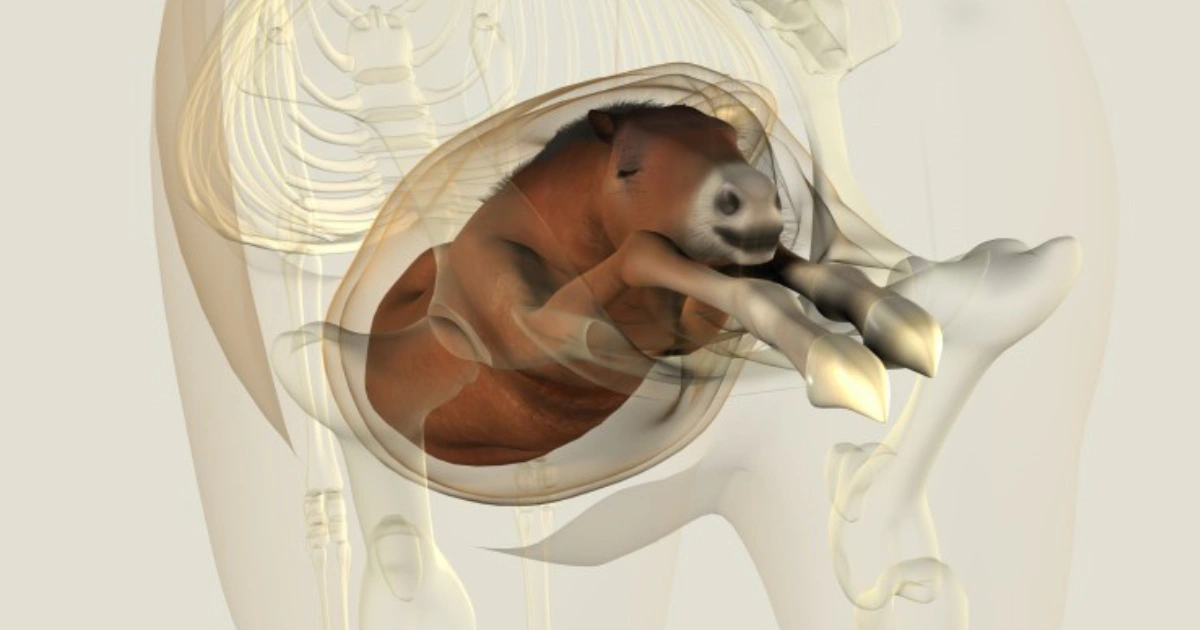
Fetal development in horses is a fascinating and intricate process. As mares carry their foals for approximately 11 months, a remarkable transformation takes place, culminating in the birth of a healthy, fully-formed foal. In this article, we will guide you through the key stages of fetal development in horses, from the early stages of conception to the final month before birth. Understanding this progression is crucial for anyone involved in breeding or equine care.
1. The First Month: The Early Stages of Life
In the first month, the embryo is small, measuring just a few millimeters. At this point, the fertilized egg embeds itself in the mare’s uterus. The cells begin to divide, forming the early foundations of the fetus. By the end of the first month, the embryo has started developing essential structures, such as the nervous system and circulatory system. It’s still in the very early stages of life, but the groundwork for the foal’s development has begun.
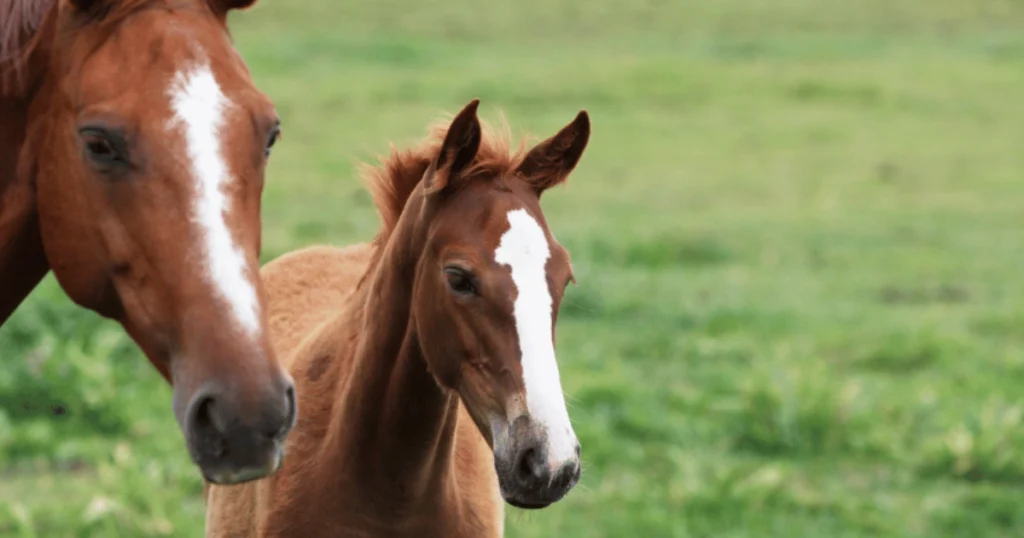
2. Four Months: Organ Development and Growth
As the pregnancy progresses to four months, significant development occurs. The embryo is now recognizable as a foal and begins to take on more distinct features. By this time, the basic shape of the foal is formed, including the development of its legs, head, and internal organs. The foal’s bones are also starting to calcify, laying the foundation for its skeletal structure.
During the fourth month, the placenta also begins to provide more nutrients and oxygen to the developing foal, and the mare’s body adapts to support her growing baby. The foal is now developing muscle mass and is increasingly active within the mare’s womb.
3. Eight Months: Preparing for Birth
At eight months, the foal has grown significantly. It is now much larger, with well-formed features and a coat that is beginning to take shape. The foal’s organs are fully developed and functional, but they are still maturing. The foal is gaining weight and becoming stronger, and its movements become more noticeable.
During this time, the mare’s body is also preparing for labor. The mare’s milk production begins, and the foal starts practicing movements such as kicking and shifting in the womb. This period marks the final stages of rapid development, as the foal’s organs, muscles, and skeletal structure are almost fully mature.
4. Eleven Months: The Final Stretch
By the time the pregnancy reaches 11 months, the foal is nearly ready to be born. It is fully developed, and its features resemble those of a mature horse. The foal is now large enough to fill the mare’s womb, and its organs are ready to function independently once it’s born.
During the last few weeks of gestation, the foal’s bones continue to harden, and it begins to gain more weight, preparing for the journey into the world. The mare’s body starts signaling that labor is imminent, with signs like increased restlessness, changes in behavior, and the development of a waxy secretion on the teats, indicating the onset of milk production.
Key Milestones in Fetal Development:
- 1 Month: Embryo begins developing key structures; basic features start to form.
- 4 Months: Foal’s limbs, head, and internal organs become more defined.
- 8 Months: Foal’s body systems are nearly fully developed, and it becomes more active.
- 11 Months: The foal is fully formed, and labor is approaching.
The Importance of Monitoring the Mare’s Health
Throughout the pregnancy, it’s essential to monitor the mare’s health and ensure that she is receiving the right nutrition and care. Providing a balanced diet, regular veterinary check-ups, and ensuring that the mare has a safe, comfortable environment will help ensure the best outcome for both the mare and her foal.
Conclusion: The Miracle of Life
The fetal development of a horse is a remarkable process that takes place over the course of 11 months. From the earliest stages, where the embryo is just a few millimeters in size, to the final month, where the foal is fully formed and ready for birth, each step is critical for ensuring the health and well-being of both the mare and the foal. Understanding this process helps breeders, equine professionals, and enthusiasts appreciate the complexity and beauty of life as it unfolds.
By providing the right care and attention, you can support the healthy development of a foal and look forward to the birth of a new addition to the equine world.
Frequently Asked Questions (FAQ)
1. How long is the gestation period for horses?
The typical gestation period for horses is about 11 months (340 days), though it can vary slightly depending on the mare.
2. What is the best time to breed horses for optimal fetal development?
Breeding is often done in spring or early summer to ensure that the foal is born during warmer months, which is beneficial for its early growth and health.
3. How can I monitor the health of a pregnant mare?
Regular veterinary check-ups, a balanced diet, and monitoring the mare’s behavior and physical condition are essential for ensuring a healthy pregnancy.
**boostaro**
Boostaro is a purpose-built wellness formula created for men who want to strengthen vitality, confidence, and everyday performance.
**backbiome**
Mitolyn is a carefully developed, plant-based formula created to help support metabolic efficiency and encourage healthy, lasting weight management.
When I initially commented I clicked the “Notify me when new comments are added” checkbox and now each time a comment is added I get four emails with the same comment. Is there any way you can remove people from that service? Thanks a lot!
I think you have observed some very interesting details , thankyou for the post.
This internet site is my inspiration , really good layout and perfect subject material.