
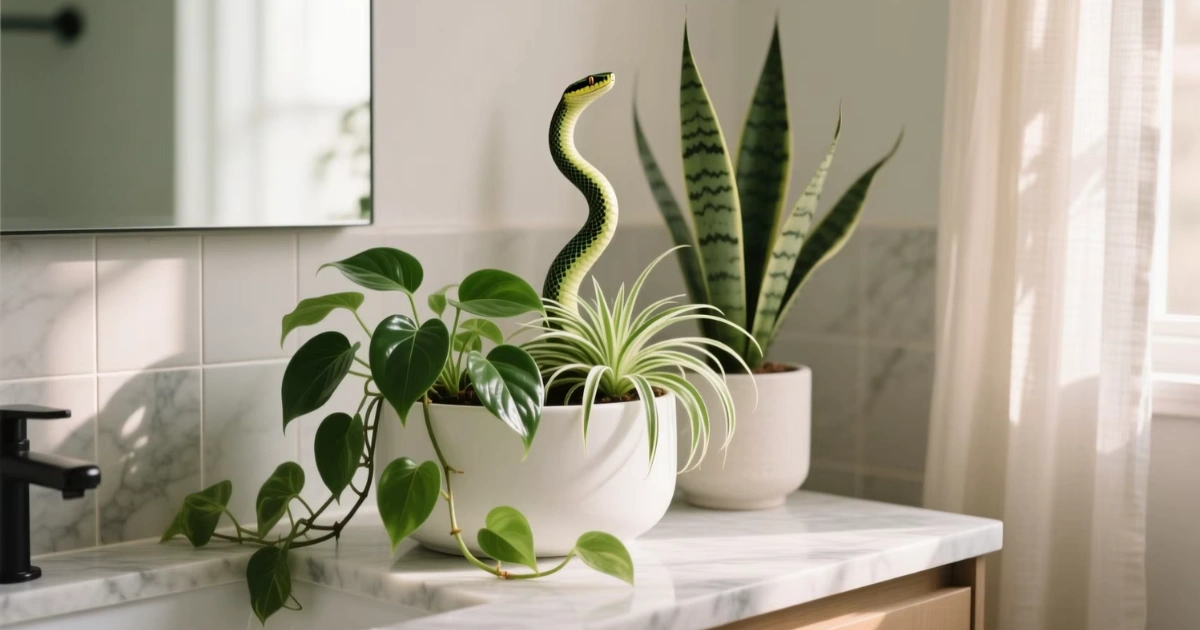
Creating a calm, refreshing bathroom environment goes beyond tiles and fixtures. Adding greenery can instantly elevate the space, improve air quality, and introduce a natural, spa-like feel. The key is choosing the right species—plants that tolerate low light, high humidity, and occasional neglect.
In this guide, you’ll discover the best bathroom plants, how to care for them, and practical tips to keep them thriving even in challenging indoor conditions.
Primary Keyword: bathroom plants
Related keywords: low light indoor plants, humidity loving plants, indoor greenery, air purifying plants, bathroom decor plants, easy houseplants, tropical indoor plants
Why Choose Plants for Your Bathroom
Bathrooms provide a unique microclimate. Steam from showers increases humidity, while small windows or artificial lighting often limit sunlight. Fortunately, certain plants naturally thrive in these conditions.
Benefits of adding bathroom plants include:
- Improved air quality through natural filtration
- Increased humidity balance in dry climates
- Reduced stress and enhanced relaxation
- Aesthetic improvement with minimal effort
1. Snake Plant: A Resilient Choice for Low Light
The snake plant is one of the most adaptable indoor plants available. It tolerates low light and irregular watering, making it ideal for bathrooms with limited sunlight.
Key Benefits
- Survives in low light conditions
- Requires minimal watering
- Helps filter indoor air
Care Tips
- Water only when the soil is completely dry
- Avoid overwatering, especially in humid bathrooms
- Place near indirect light if possible
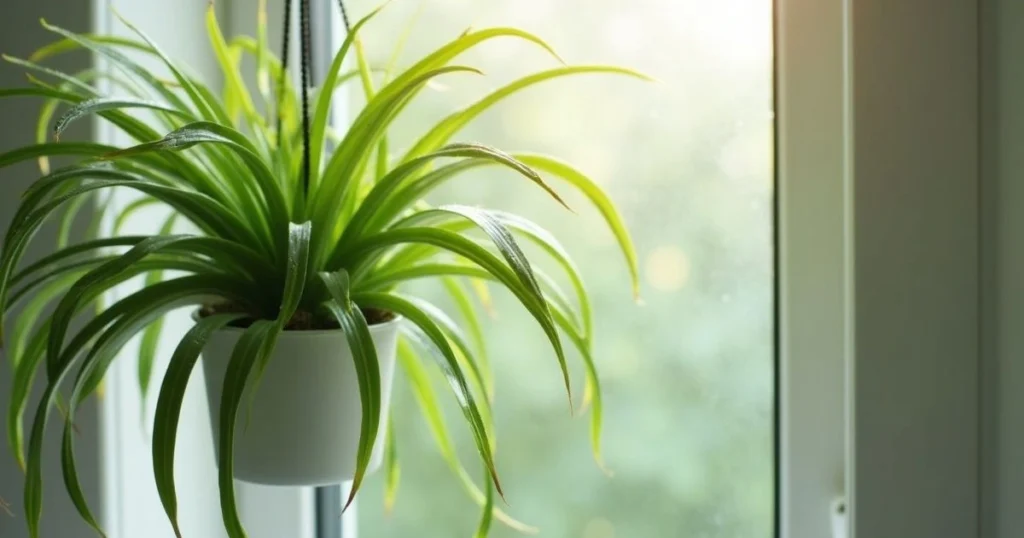
2. Spider Plant: Easy and Fast-Growing
Spider plants are known for their cascading leaves and rapid growth. They are highly forgiving and can adapt to fluctuating humidity levels.
Why It Works in Bathrooms
- Thrives in indirect light
- Tolerates humidity well
- Produces “baby plants” for easy propagation
Care Tips
- Keep soil slightly moist but not soggy
- Trim brown tips if they appear
- Hang the plant to maximize space
3. Kentia Palm: Elegant and Low Maintenance
If you want a more decorative, tropical feel, the Kentia palm is an excellent option. Its graceful fronds add a luxurious touch to bathroom decor.
Key Advantages
- Thrives in low to moderate light
- Adds vertical interest to small spaces
- Requires minimal care
Care Tips
- Water when the top layer of soil feels dry
- Avoid direct sunlight
- Wipe leaves occasionally to remove dust
4. Aloe Vera: Functional and Decorative
Aloe vera is not only attractive but also practical. Its gel is widely used for skin care, making it especially suitable for bathroom placement.
Benefits
- Known for its soothing properties
- Helps improve air quality
- Requires little maintenance
Care Tips
- Needs some indirect light to thrive
- Water sparingly to prevent root rot
- Use well-draining soil
5. Boston Fern: Perfect for Humid Spaces
Boston ferns are among the best humidity-loving plants, making them a natural fit for bathrooms.
Why Choose This Plant
- Thrives in high humidity environments
- Adds lush greenery with soft, arching fronds
- Helps maintain indoor moisture balance
Care Tips
- Keep soil consistently moist
- Mist occasionally if humidity drops
- Place in indirect light
How to Choose the Best Bathroom Plants
Not all plants are suitable for bathroom conditions. When selecting the right greenery, consider the following:
Light Availability
- No window: Choose very low-light plants like snake plants
- Small window: Opt for spider plants or ferns
- Bright bathroom: Most tropical plants will thrive
Humidity Levels
- High humidity: Boston fern, spider plant
- Moderate humidity: Aloe vera, snake plant
Space Constraints
- Small bathrooms: Hanging plants or compact pots
- Larger bathrooms: Floor plants like Kentia palm
Practical Tips for Maintaining Bathroom Plants
Even the best bathroom plants need proper care. Follow these tips to ensure long-term success:
- Use pots with drainage holes to prevent water buildup
- Rotate plants occasionally for even growth
- Clean leaves to improve photosynthesis
- Avoid placing plants too close to heat sources
Common Mistakes to Avoid
Many indoor gardeners struggle with bathroom plants due to simple errors:
- Overwatering due to already humid conditions
- Choosing plants that require direct sunlight
- Ignoring airflow, which can lead to mold or pests
Understanding these pitfalls can make a significant difference in plant health.
Scientific Insight on Indoor Plants and Air Quality
Research from organizations like the National Aeronautics and Space Administration (NASA) has explored how certain houseplants may help remove indoor pollutants. While results vary in real-world settings, plants can still contribute to a healthier indoor environment.
You can learn more from reputable sources such as:
These organizations provide science-based guidance on indoor air quality and plant care.
Internal Linking Suggestions
To strengthen your website structure and improve SEO, consider linking this article to related content on secretsofthegreengarden.com:
- “Best Low Light Indoor Plants for Beginners”
- “How to Care for Tropical Houseplants Indoors”
- “Indoor Gardening Tips for Small Spaces”
Use natural anchor text that fits seamlessly within your content.
FAQ About Bathroom Plants
What are the best bathroom plants for no sunlight?
Snake plants and ZZ plants are among the best options for bathrooms without natural light. They can survive under artificial lighting conditions.
Do bathroom plants really improve air quality?
Plants may contribute to better air quality, but their effect is modest. Proper ventilation remains essential for maintaining healthy indoor air.
How often should I water bathroom plants?
Watering frequency depends on the plant type. In general, humidity reduces the need for frequent watering, so always check soil moisture first.
Can I keep plants in a windowless bathroom?
Yes, but you should occasionally move them to a brighter area or use artificial grow lights to support their growth.
Which plants grow best in high humidity?
Boston ferns, spider plants, and certain palms thrive in humid conditions, making them ideal for bathrooms.
Final Thoughts
Choosing the right bathroom plants can transform a simple space into a relaxing, nature-inspired retreat. By selecting species that tolerate low light and high humidity, you can enjoy greenery without constant maintenance.
Start with resilient plants like snake plants or spider plants, then experiment with more decorative options such as ferns or palms. With the right care and placement, your bathroom can become one of the most refreshing and inviting spaces in your home.