
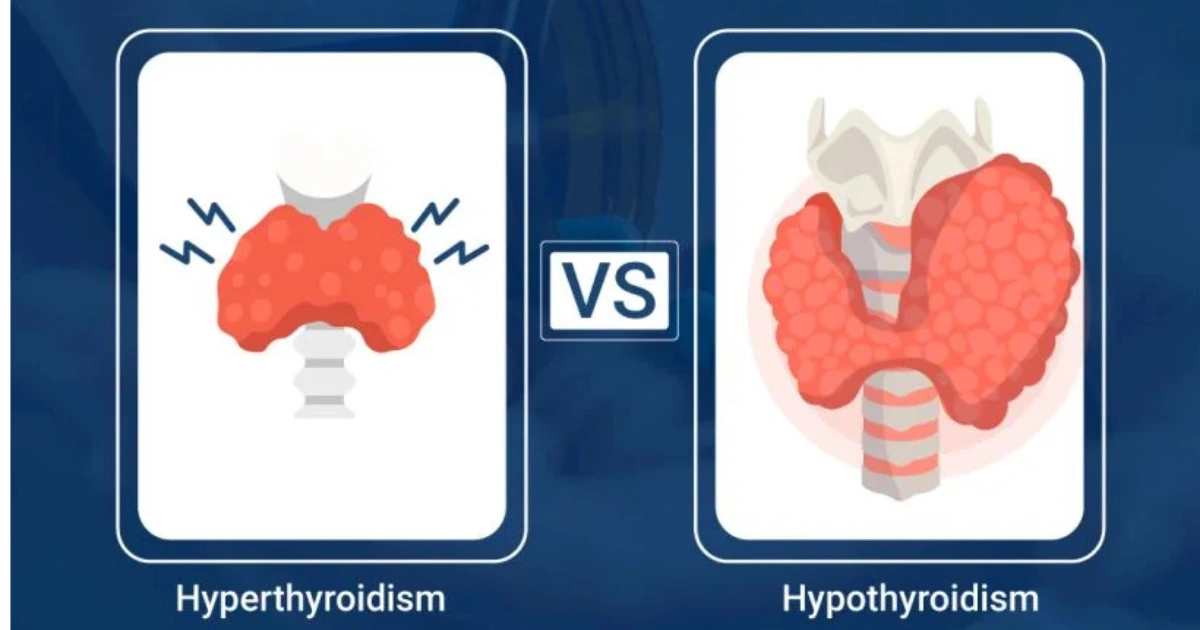
The thyroid is a small, butterfly-shaped gland located at the base of the neck, but its impact on the body is enormous. When the thyroid is not functioning properly, it can affect nearly every system, from metabolism and heart rate to temperature regulation and mental clarity. Understanding thyroid disorders is essential for early detection, proper treatment, and long-term well-being.
This guide explains how the thyroid works, the key differences between hyperthyroidism and hypothyroidism, why medical evaluation is critical, and how these conditions are typically managed.
What Is the Thyroid and Why It Matters
The thyroid gland produces hormones that regulate the body’s metabolic rate. These hormones influence how quickly the body uses energy, how fast the heart beats, and how well organs function.
A healthy thyroid helps maintain:
- Stable energy levels
- Normal body temperature
- Balanced weight
- Regular heart rhythm
- Mental focus and emotional stability
When thyroid hormone levels become unbalanced, the effects can be widespread and sometimes confusing.
Hyperthyroidism: When the Body Speeds Up
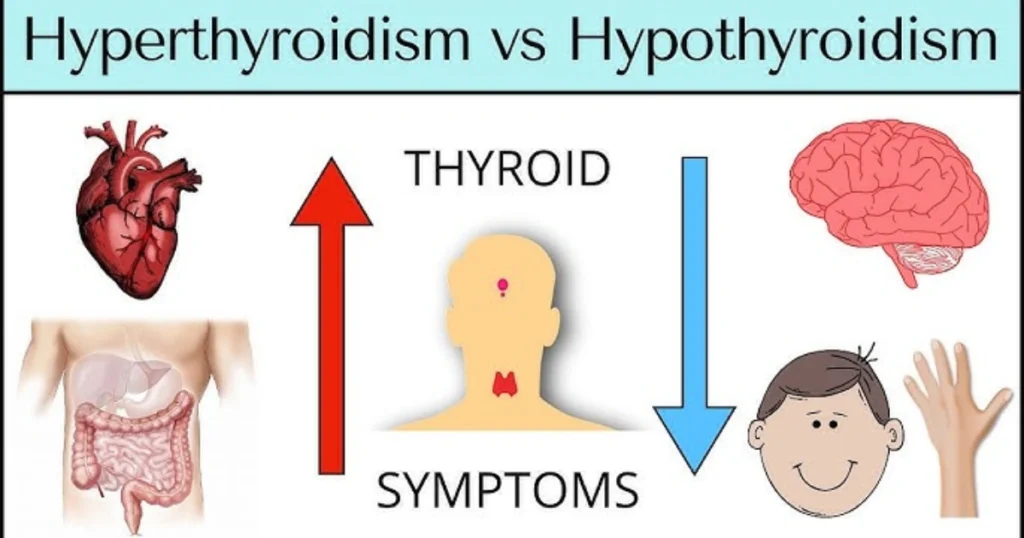
Hyperthyroidism occurs when the thyroid produces too much hormone. This excess pushes the body into an accelerated state, causing systems to work harder than normal.
Common Symptoms of Hyperthyroidism
Symptoms may vary from person to person, but frequently include:
- Unintentional weight loss despite normal or increased appetite
- Sensitivity to heat and excessive sweating
- Rapid or irregular heartbeat
- Nervousness, anxiety, or restlessness
- Shaking hands or tremors
- Difficulty sleeping
- Muscle weakness
- Increased bowel movements
In some cases, the thyroid gland may enlarge, creating visible swelling at the base of the neck.
Potential Causes
Hyperthyroidism is often linked to autoimmune conditions, such as Graves’ disease, but it can also result from thyroid nodules, inflammation, or excessive iodine intake.
Hypothyroidism: When the Body Slows Down
Hypothyroidism develops when the thyroid does not produce enough hormones. As a result, the body’s processes slow, sometimes gradually and subtly.
Common Symptoms of Hypothyroidism
Typical signs include:
- Weight gain that is difficult to explain
- Cold sensitivity
- Persistent fatigue
- Dry or itchy skin
- Hair thinning or hair loss
- Slow heart rate
- Constipation
- Depression or low mood
- Memory and concentration difficulties
- Irregular menstrual cycles
Not everyone experiences the same symptoms, and some people may feel heat intolerance rather than cold sensitivity, highlighting how individualized thyroid conditions can be.
Potential Causes
The most common cause of hypothyroidism is an autoimmune condition known as Hashimoto’s thyroiditis. Other causes include iodine deficiency, thyroid surgery, radiation therapy, or certain medications.
Why Thyroid Symptoms Can Be Misleading
Thyroid symptoms often overlap with other health conditions such as stress, nutritional deficiencies, hormonal changes, or cardiovascular issues. For example:
- Fatigue may be mistaken for burnout
- Weight changes may be blamed on diet alone
- Heart palpitations may resemble anxiety
Because of this overlap, self-diagnosis is unreliable. Many people live with undiagnosed thyroid disorders for years, assuming their symptoms are unrelated or normal.
The Importance of Medical Evaluation
A proper thyroid diagnosis requires medical testing and professional evaluation. Blood tests typically measure:
- Thyroid-stimulating hormone (TSH)
- Free T3 and Free T4 hormone levels
- Thyroid antibodies, when autoimmune disease is suspected
Only these tests can confirm whether thyroid function is normal, overactive, or underactive. Regular monitoring is especially important for individuals with a family history of thyroid disease.
Managing Thyroid Disorders Effectively
The good news is that most thyroid disorders are manageable with appropriate care. Treatment plans are tailored to the individual and depend on the underlying cause and severity.
Medical Treatment Options
- Hyperthyroidism may be treated with medications that reduce hormone production, radioactive iodine therapy, or surgery in certain cases.
- Hypothyroidism is commonly managed with synthetic thyroid hormone replacement, taken daily and adjusted based on blood test results.
Lifestyle Support
While medication is often essential, supportive lifestyle habits can help improve quality of life:
- Eating a balanced diet with adequate iodine, selenium, and zinc
- Managing stress levels
- Getting consistent sleep
- Following medical guidance closely and attending regular checkups
Lifestyle changes should never replace medical treatment but can complement professional care.
Living Well With a Thyroid Condition
Many people with thyroid disorders live full, active lives once their condition is properly managed. Awareness, early diagnosis, and consistent treatment are key to preventing complications and maintaining long-term health.
Listening to your body, taking symptoms seriously, and seeking medical advice early can make a significant difference.
Frequently Asked Questions
Can thyroid disorders cause skin problems?
Yes. Hypothyroidism is often associated with dry, itchy skin, while hyperthyroidism may cause warm, moist skin. Proper treatment usually improves skin symptoms over time.
Is weight gain or loss always related to thyroid problems?
Not always. While thyroid disorders can affect weight, many other factors such as diet, activity level, and hormonal changes also play a role. Blood tests are necessary for confirmation.
Can someone have both hyperthyroid and hypothyroid symptoms?
Yes. Some individuals experience mixed or changing symptoms, especially in autoimmune thyroid conditions. This is why testing and ongoing monitoring are essential.
Are thyroid disorders permanent?
Some thyroid conditions are temporary, while others require lifelong management. Your healthcare provider can determine the expected course based on diagnosis and response to treatment.
When should I see a doctor about thyroid symptoms?
If symptoms persist, worsen, or interfere with daily life, a medical evaluation is recommended. Early testing helps prevent long-term complications.
Internal Linking Suggestions
To strengthen topical relevance and user engagement, consider linking this article to:
- Natural Ways to Support Hormonal Balance
- Signs Your Body Is Deficient in Essential Minerals
- How Chronic Stress Affects Overall Health
These articles on secretsofthegreengarden.com can help readers better understand the lifestyle and wellness factors connected to thyroid health.
External High-Authority References
For additional medically reviewed information, consider referencing:
- The National Institute of Diabetes and Digestive and Kidney Diseases for thyroid disorder overviews
- The World Health Organization for iodine and thyroid health guidelines
- The Mayo Clinic for clinical explanations of hyperthyroidism and hypothyroidism
Key Takeaway
The thyroid plays a vital role in regulating the body’s core functions. Whether the gland is overactive or underactive, thyroid imbalance can significantly affect physical and mental well-being. Accurate diagnosis, proper medical care, and informed self-awareness are essential for maintaining health and quality of life.
**mitolyn reviews**
Mitolyn is a carefully developed, plant-based formula created to help support metabolic efficiency and encourage healthy, lasting weight management.