
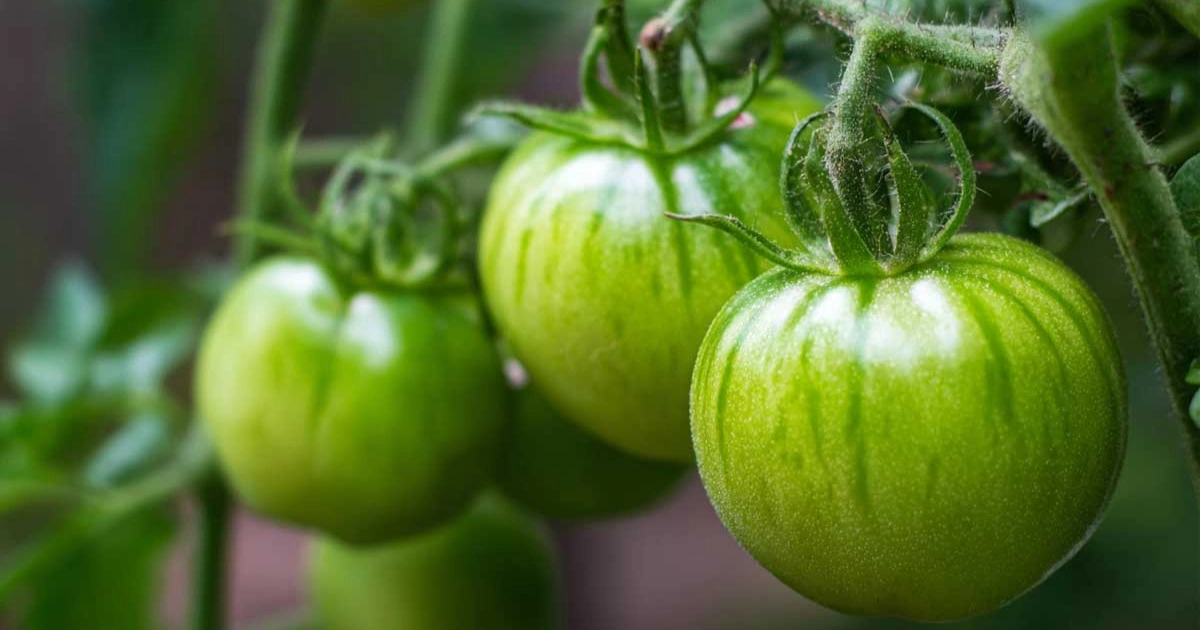
Tomatoes are one of the most rewarding vegetables to grow, offering rich yields when given proper care. A natural, nutrient-packed fertilizer can play a key role in ensuring your tomato plants thrive. This simple homemade solution promotes healthy plant growth, strengthens stems, and boosts fruit production—without spending a dime on synthetic fertilizers.
How to Ensure Your Tomatoes Thrive
Tomatoes require specific nutrients to develop strong roots, sturdy stems, and abundant fruit. Essential elements like potassium and phosphorus are crucial for plant development. While commercial fertilizers offer these nutrients, a simple, natural alternative can provide your plants with everything they need, reducing the reliance on synthetic chemicals.
The Power of Eggshells and Wood Ash
One of the best natural fertilizers for tomatoes combines two common household materials: eggshells and wood ash. This powerful mixture provides calcium, potassium, and phosphorus—three key nutrients that help tomato plants grow and produce more fruit.
Why Eggshells and Wood Ash?
- Eggshells: Rich in calcium, eggshells strengthen cell walls and prevent blossom end rot—a common tomato disease. Calcium also supports overall plant health.
- Wood Ash: High in potassium and phosphorus, wood ash aids in root development and supports fruit production, enhancing the growth of tomatoes.
Using these natural ingredients not only helps your plants but also eliminates the need for expensive, chemical-laden fertilizers.
How to Make Your Own Tomato Fertilizer
Creating this homemade fertilizer is quick and easy, requiring only a few basic ingredients:
Ingredients:
- Eggshells from approximately 10 eggs
- 1 liter of boiling water
- 1 kilogram of wood ash
- 10 liters of water
Instructions:
- Crush the Eggshells: Break the eggshells into small pieces and place them in a container.
- Steep the Eggshells: Pour 1 liter of boiling water over the crushed eggshells. Allow the mixture to steep for 5 to 7 days to extract calcium and other essential minerals.
- Strain the Mixture: After the steeping period, strain the liquid into a large bucket.
- Add the Wood Ash: Stir in 1 kilogram of wood ash and mix thoroughly.
- Dilute the Solution: Pour in 10 liters of water and stir well. Let the solution sit for 24 hours to ensure the nutrients are fully dissolved.
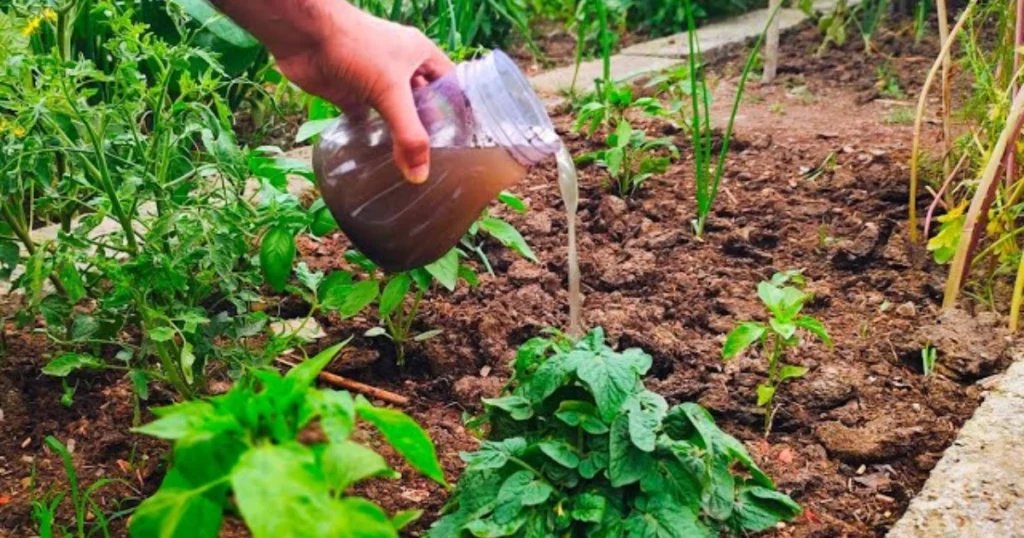
How to Use the Fertilizer for Maximum Benefit
Once your fertilizer is ready, it’s time to apply it to your tomato plants. Here’s how:
Applying the Fertilizer:
- Watering the Plants: After transplanting your tomato seedlings into the garden, water each plant with approximately half a liter of the fertilizer solution.
- Frequency of Application: Use this natural fertilizer every 2 to 3 weeks throughout the growing season. Regular application will help your tomato plants develop strong roots, thick stems, and abundant fruit.
The Benefits of Using Natural Fertilizers
Using natural fertilizers like eggshell extract and wood ash offers several advantages:
Key Benefits:
- Eco-Friendly: Unlike chemical fertilizers, this natural mixture doesn’t introduce harmful substances into the soil, making it safer for the environment.
- Cost-Effective: This fertilizer is completely free, as it’s made from household waste materials.
- Improves Soil Health: Over time, this mixture enhances soil quality, fostering long-term fertility and sustainable plant growth.
- Boosts Plant Immunity: The nutrients in this fertilizer strengthen tomato plants, making them more resilient to pests and diseases.
Conclusion
Growing healthy, high-yielding tomato plants doesn’t require expensive commercial fertilizers. With a simple combination of eggshells and wood ash, you can provide your plants with the essential nutrients they need to grow strong, produce fruit faster, and deliver bigger harvests. This homemade fertilizer supports a chemical-free, thriving garden that yields delicious tomatoes season after season.
Incorporating this easy and cost-effective fertilizer into your gardening routine ensures a successful tomato harvest, all while supporting eco-friendly practices in the garden.
Related Articles:
- How to Grow Tomatoes in Containers
- Best Organic Fertilizers for Home Gardens
- Common Tomato Growing Mistakes and How to Avoid Them
Trusted External Resources:
For additional tips on natural fertilizers and sustainable gardening, refer to these authoritative sources:
Saved as a favorite, I really like your blog!