
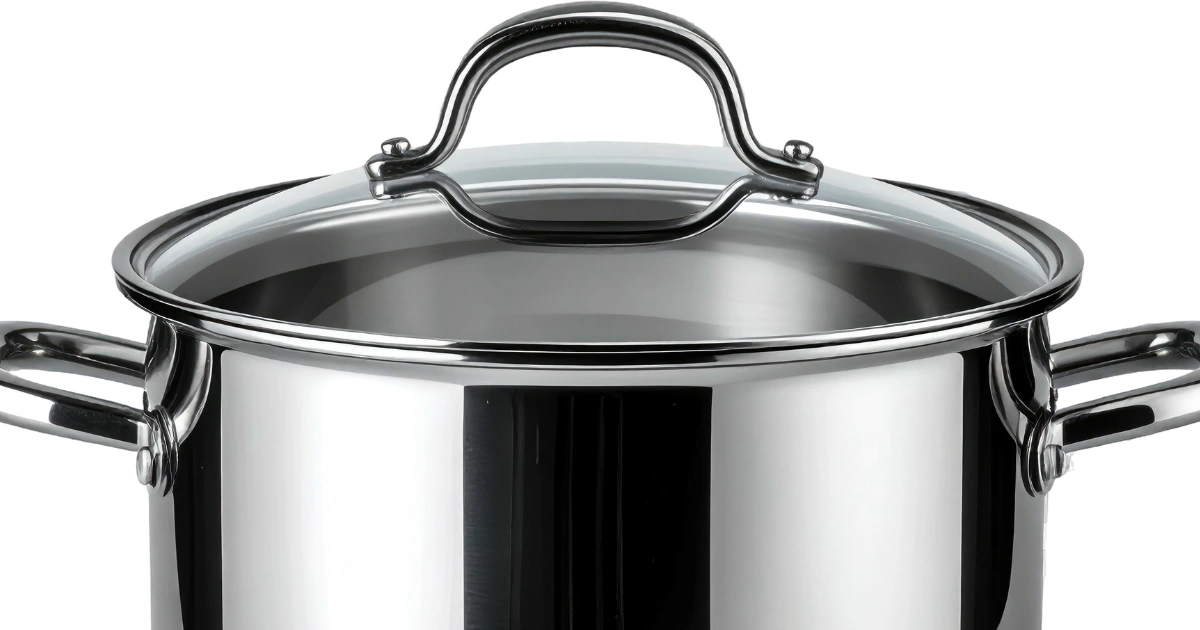
When it comes to cooking, one simple tool can make a big difference: the lid. Whether you’re making soups, stews, rice, or sauces, knowing when to cover or uncover your pot can help control the texture, moisture, and concentration of your dishes. This trick is often overlooked but incredibly effective in enhancing the outcome of your cooking.
In this guide, we’ll explain the benefits of using a lid and when to leave it off. By mastering the lid trick, you’ll improve your cooking technique and create better meals with less effort.
Primary keyword: cooking with a lid
The Lid Trick Explained
The lid trick involves using a pot lid to control the moisture in your dishes. Whether you want to retain moisture or reduce liquid to concentrate flavors, the lid can help you achieve the desired result. Here’s how it works:
With the Lid On: Retaining Moisture for Soups, Stews, and Rice
When you cook with the lid on, the moisture from the food stays trapped inside the pot. This is especially useful for dishes that require moisture retention, such as:
- Soups: Keeping the lid on helps retain the liquid and keep the flavors evenly distributed throughout the soup.
- Stews: Moisture is essential in stews, as it helps tenderize meat and vegetables over the long cooking time.
- Rice: Cooking rice with the lid on ensures the steam stays in, cooking the rice evenly and preventing it from drying out.
The lid traps steam and heat, helping your ingredients cook evenly without losing too much moisture.
Without the Lid: Concentrating and Thickening for Sauces and Reductions
On the other hand, when you remove the lid, the liquid inside the pot evaporates. This is ideal for dishes where you want to concentrate flavors and thicken the consistency, such as:
- Sauces: Reducing a sauce without a lid helps thicken it by allowing excess liquid to evaporate, resulting in a richer, more concentrated flavor.
- Reductions: Similar to sauces, reductions benefit from cooking uncovered, allowing the flavors to intensify and the liquid to reduce.
The lid off trick helps to cook down liquids quickly, making it perfect for reducing sauces, glazes, and gravies.
Tips for Using the Lid Trick Effectively
1. Brown Meat First
Whether you’re making a stew, soup, or sauce, it’s a good idea to brown your meat first. Browning meat releases rich flavors that enhance the overall dish, and it’s easier to control the moisture when the meat is properly seared. Once the meat is browned, you can add the rest of the ingredients and adjust the lid based on your desired moisture level.
2. Watch Vegetables Closely
When cooking with the lid on, it’s important to monitor vegetables, especially delicate ones. If left too long under the lid, vegetables can become overcooked and mushy. For vegetables that cook quickly, like leafy greens or peas, add them toward the end of the cooking process and leave the lid off to avoid excess moisture buildup.
3. Adjust for Thickness
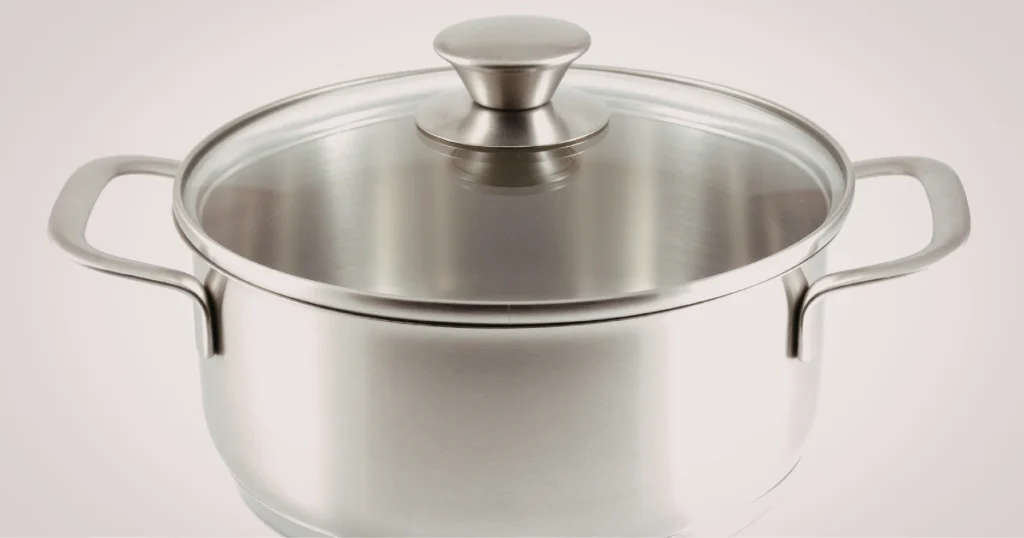
If you’re aiming for a thicker sauce or stew, removing the lid for the last few minutes of cooking allows liquid to evaporate, helping the dish thicken. Conversely, if your dish is becoming too thick, you can add more liquid and cover it to let the flavors meld.
4. Use the Lid for Rice and Grains
When cooking grains like rice, quinoa, or couscous, keeping the lid on helps steam the grains and ensures they cook evenly. After cooking, let the rice sit with the lid on for a few extra minutes to allow it to finish absorbing moisture.
When to Keep the Lid On and When to Take It Off
- Keep the lid on when you want to:
- Retain moisture and steam (soups, stews, rice)
- Cook delicate ingredients like vegetables that should not dry out
- Prevent splattering or boiling over
- Take the lid off when you want to:
- Reduce liquid and concentrate flavors (sauces, reductions)
- Thicken your dish
- Control the moisture level of slow-cooked ingredients
By understanding when and why to use a lid, you can better control the outcome of your cooking.
FAQ: The Lid Trick in Cooking
Why does the lid help retain moisture in soups and stews?
The lid traps steam and moisture inside the pot, preventing evaporation and ensuring the food stays hydrated while cooking.
Can I use the lid trick for baking?
Yes! In baking, covering your dish with a lid or foil can help trap moisture, making it perfect for baking casseroles or dishes that require a soft texture.
Should I always cook rice with the lid on?
Yes, keeping the lid on while cooking rice ensures that the steam stays inside the pot, resulting in perfectly cooked, fluffy rice.
What if my sauce or stew is too watery after using the lid?
If you prefer a thicker sauce or stew, remove the lid and cook for a bit longer to allow the liquid to evaporate.
Is there any dish that should never be cooked with a lid?
Dishes that need to reduce or concentrate flavors, such as certain sauces and reductions, should always be cooked with the lid off to allow for evaporation.
Internal Linking Suggestions
To improve topical authority on secretsofthegreengarden.com, link this article to related content such as:
- Essential Cooking Tips for Beginners
- How to Make Perfect Sauces and Reductions
- Slow-Cooking Techniques for Flavorful Meals
Use anchor text that matches article titles or closely related phrases.
Final Thoughts
Mastering the lid trick can take your cooking to the next level. Whether you’re trying to retain moisture for soups and stews or concentrate flavors for sauces and reductions, using the lid or taking it off at the right moment is key to achieving your desired results. Experiment with this simple technique to elevate your meals and make your cooking more efficient.
The next time you cook, remember: with the lid on or off, you control the flavor!
Đây là phương thức liên hệ phổ biến và nhanh chóng nhất tại 888slot vip . Bạn có thể dễ dàng truy cập tính năng trò chuyện trực tiếp ngay trên website hoặc ứng dụng di động của nhà cái. Nhân viên hỗ trợ khách hàng của trang web luôn sẵn sàng túc trực 24/7 để giải đáp mọi thắc mắc của bạn một cách chuyên nghiệp và tận tình. TONY03-31