
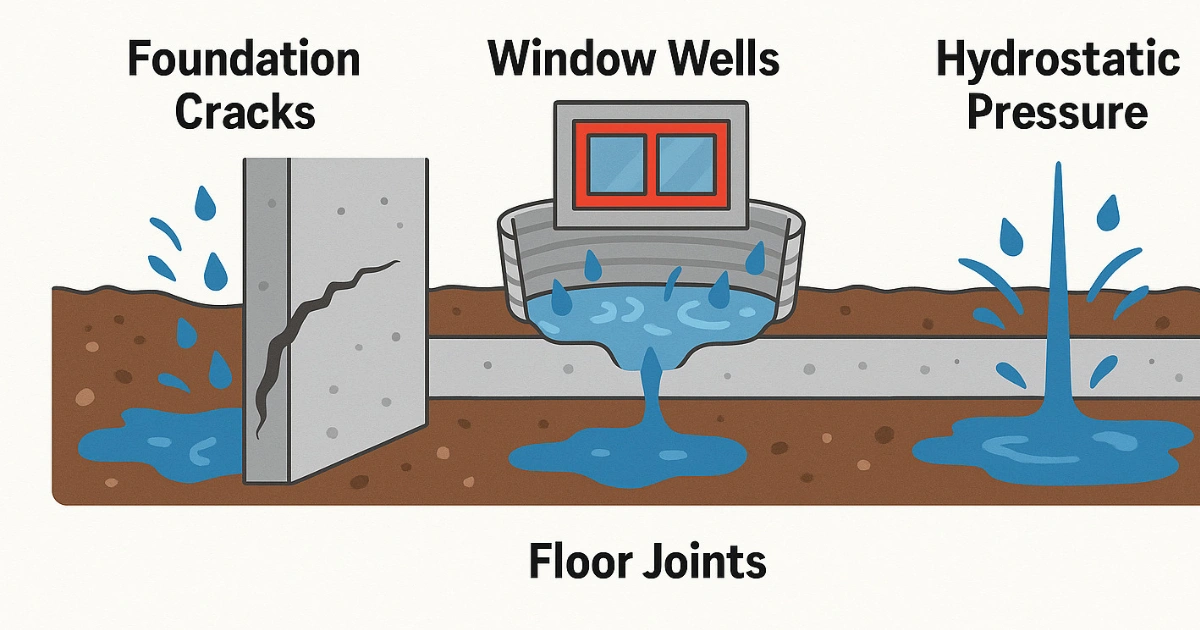
When it comes to protecting your property from water damage, one of the most effective methods is ensuring that water flows away from your home and foundation. While many people focus on waterproofing or installing sump pumps, one of the often-overlooked yet powerful techniques for managing water is the drainage swale. This natural or man-made feature can be key to keeping your basement dry and your property free from water-related issues.
In this article, we will dive deep into the concept of drainage swales, how they work, their benefits, and why they are essential for homeowners looking to protect their properties from water damage.
What is a Drainage Swale?
A drainage swale is a shallow, often landscaped trench designed to divert and direct water flow away from critical areas such as buildings, foundations, and basements. Swales are typically filled with vegetation or gravel to allow for water absorption, helping to prevent erosion and water pooling. They are often placed along the sides of a property or around its perimeter.
Unlike traditional storm drains, which funnel water into pipes, swales allow water to slowly flow over a broader surface area, reducing the likelihood of sudden flooding and increasing the chances of water being absorbed naturally into the ground. This makes swales a more eco-friendly solution to water management, as they prevent overwhelming sewer systems and promote groundwater recharge.
How Do Drainage Swales Work?
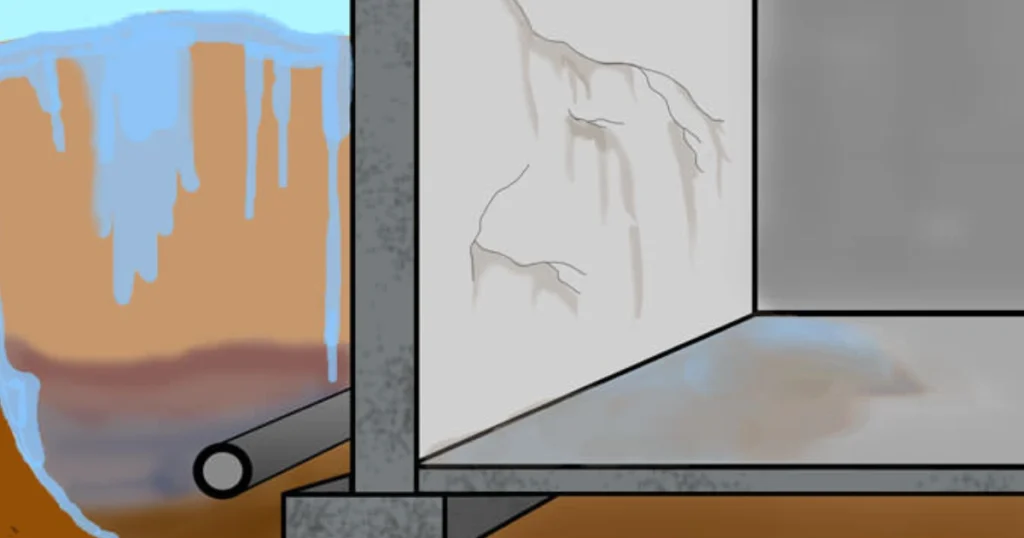
The primary function of a drainage swale is to manage stormwater runoff and prevent it from flowing directly into basements or foundations. Here’s how it works:
- Water Redirection: When it rains, the swale collects the runoff water from rooftops, driveways, and other impermeable surfaces. Instead of allowing the water to flow directly toward the basement or foundation, the swale redirects it to a safe discharge area, typically further away from the building.
- Absorption: Once the water is collected in the swale, it percolates through the soil or is absorbed by the vegetation. The natural filtration process helps reduce the volume of water flowing into local drainage systems or creating puddles near the building’s base.
- Erosion Control: By slowing down the flow of water, swales prevent erosion that could undermine the foundation of your home. They spread the water evenly across a wider area, which also helps reduce the risk of soil loss and damage to your property.
Why Are Drainage Swales Important for Basements?
Basements are particularly vulnerable to water damage because they are situated below ground level and are in direct contact with the surrounding soil. Without effective drainage systems in place, excess water can seep into basements, leading to:
- Flooding: Heavy rainfall can cause sudden flooding that compromises the structural integrity of the basement and the overall foundation of your home.
- Mold and Mildew Growth: Excess moisture can lead to mold growth, which not only damages the building materials but also poses serious health risks to the occupants.
- Soil Erosion and Foundation Damage: Constant exposure to water runoff can cause soil erosion around the foundation, leading to cracks and other damage to the foundation structure.
Benefits of Using Drainage Swales
Incorporating drainage swales into your landscaping can have a range of benefits beyond just keeping basements dry. Some of the key advantages include:
- Cost-Effective Solution: Installing a drainage swale is generally less expensive than building a complex drainage system with pipes and sump pumps. It’s an affordable, long-term solution that doesn’t require a major overhaul of your property.
- Eco-Friendly: Swales allow for the natural filtration and absorption of water into the ground, which helps replenish groundwater supplies and reduces the risk of flooding. They are a more sustainable solution compared to piping systems that often direct water to already overwhelmed sewer systems.
- Low Maintenance: Swales are easy to maintain once they are established. Regular inspections to ensure the swale remains clear of debris and the vegetation is healthy are generally all that is needed to keep the system functioning properly.
- Aesthetic Appeal: Swales can be incorporated into landscaping designs, turning functional water management into an aesthetic feature. Native plants, wildflowers, or ornamental grasses can be planted in the swale, adding to the visual appeal of your garden while managing runoff.
- Versatility: Drainage swales can be adapted to different types of properties and landscapes. They can be used in both residential and commercial settings and customized to handle varying amounts of water flow.
How to Install a Drainage Swale
If you’re considering installing a drainage swale on your property, here are some basic steps to get started:
- Assess Your Property: Identify areas where water tends to collect, especially near your basement or foundation. This will help you determine the best location for the swale.
- Design the Swale: The swale should have a gentle slope to direct water away from the building. It should be wide enough to handle runoff from surrounding areas but not too deep, as this could interfere with the surrounding landscaping.
- Prepare the Area: Clear the area where the swale will be installed. This may involve removing rocks, plants, or debris.
- Excavate the Swale: Dig a shallow trench along the desired path, ensuring it slopes away from your home and toward an appropriate discharge area.
- Add Gravel or Soil: Line the bottom of the swale with gravel to promote drainage or fill it with soil to facilitate water absorption. You may also add vegetation that thrives in wet conditions to help slow down water flow and add a natural aesthetic.
- Maintain the Swale: After installation, ensure the swale is regularly cleared of debris and that the plants are properly maintained. This will ensure that water continues to flow freely and doesn’t accumulate in unwanted areas.
When to Reassess Your Drainage System
If you notice any of the following signs, it may be time to reassess your drainage system or make adjustments to the swale:
- Water pooling around the basement: If you see water pooling near the foundation after rainfall, the swale may not be functioning as expected, and adjustments may need to be made to improve water flow.
- Erosion or cracks in the foundation: Erosion around the foundation or visible cracks in the walls of your basement may indicate that water is not being adequately redirected away from your property.
- Frequent mold growth: If your basement becomes damp or moldy frequently, despite having a drainage system in place, it could be a sign that the swale needs maintenance or reconfiguration.
Conclusion
Drainage swales are an essential tool for managing water flow and preventing basement flooding. By directing water away from your foundation and allowing it to be absorbed naturally, they protect your home from water damage, mold, and erosion. Whether you choose to install a drainage swale yourself or consult with a professional, this simple and effective method can save you time, money, and headaches in the long run. For homeowners looking for a sustainable, eco-friendly solution to water management, drainage swales are a clear choice.
I do agree with all of the ideas you’ve presented in your post. They’re really convincing and will certainly work. Still, the posts are very short for novices. Could you please extend them a bit from next time? Thanks for the post.
It’s a pity you don’t have a donate button! I’d definitely donate to this fantastic blog! I suppose for now i’ll settle for book-marking and adding your RSS feed to my Google account. I look forward to fresh updates and will share this website with my Facebook group. Talk soon!
TKBNEKO พาคุณสู่โลกใหม่ของเกมเดิมพันออนไลน์ ธุรกรรมฉับไว ด้วยระบบสแกน คิวอาร์โค้ด
ในยุคที่ นวัตกรรมดิจิทัลเข้ามาปรับโฉมวงการเกมออนไลน์ TKBNEKO พร้อมยกระดับมาตรฐานการเดิมพัน ด้วยระบบการให้บริการที่ ล้ำสมัย เสถียร และ โปร่งใส พร้อมต้อนรับสมาชิกทุกท่านสู่ มิติใหม่แห่งความสนุก ที่ เปิดโอกาสให้ทุกคนสร้างรายได้
เหตุผลที่ควรเลือก TKBNEKO
เราคัดสรรเกมคุณภาพจากผู้พัฒนาชั้นนำ โดยเฉพาะเกมที่ ผ่านการรับรองจากสถาบันที่น่าเชื่อถือ และ ได้รับการยอมรับมากที่สุดในอุตสาหกรรม เพื่อให้ผู้เล่นทุกคน มั่นใจ ได้ว่า จะได้รับความเพลิดเพลินกับเกมที่ โปร่งใส ปลอดภัย และ มีคุณภาพสูง
ข้อดีของธุรกรรมบนแพลตฟอร์ม
ระบบฝากถอนถูกพัฒนาให้ใช้งานง่าย เพื่อให้คุณ โฟกัสกับความสนุกได้อย่างเต็มที่
ฝากขั้นต่ำ: เริ่มต้นเพียง 1 บาท
ถอนขั้นต่ำ: 1 บาท
เวลาฝากเงิน: ใช้เวลาเพียง 3 วินาที
ยอดจำกัดการถอน: ไม่มีลิมิตการถอนรายวัน
ธุรกรรมสะดวก แค่สแกนคิวอาร์
เพียงคุณสแกน คิวอาร์ ระบบของเราจะ ประมวลผลอย่างรวดเร็ว ขั้นต่ำเพียง อย่างน้อย 100 บาท และสามารถฝากได้สูงถึง 500,000 บาท มาร่วมสนุกกันได้แล้ววันนี้ กับ แพลตฟอร์มของเรา ที่ ตอบโจทย์การเดิมพันยุคใหม่
เกมยอดนิยมรวมไว้ในที่เดียว
เรารวบรวมเกมยอดนิยมหลากหลายประเภท รองรับทุกความชอบของผู้เล่น
สล็อต: ธีมมากมาย พร้อมลุ้นรางวัลใหญ่
เกมสด: สัมผัสประสบการณ์คาสิโนแบบเรียลไทม์
กีฬา: รองรับลีกดังระดับโลก
ยิงปลา: เกมยิงปลาสุดมันส์ ได้เงินจริง
รับโบนัสและข้อเสนอสุดคุ้ม
อย่าลืมแวะมาเยี่ยมชมที่หน้า โบนัส เพื่อรับ สิทธิพิเศษมากมาย ที่เรามอบให้สมาชิกทุกท่าน นอกจากนี้ยังมีระบบ สมาชิกวีไอพี สำหรับลูกค้าคนสำคัญ และช่องทาง พันธมิตร สำหรับผู้ที่สนใจสร้างรายได้ร่วมกับเรา
ฝ่ายบริการลูกค้า
หากมี ข้อสงสัย หรือ ข้อเสนอแนะ สามารถติดต่อทีมงานของเราได้ตลอด 24 ชั่วโมงที่หน้า ติดต่อเรา และ แบบฟอร์มติดต่อ ทีมงาน TKBNEKO ยินดีให้บริการทุกท่านด้วยใจ
ทดลองเล่นสล็อต pg เว็บ ตรง”
PG Slot แพลตฟอร์มเกมสล็อตยอดนิยม เข้าเล่นไว ฝากถอนออโต้
คำค้นหา pg slot ถูกค้นหามากขึ้นเรื่อยๆ ในกลุ่มผู้เล่นเกมสล็อตออนไลน์ เพราะเป็น ผู้ให้บริการเกมสล็อตที่มาแรง ด้าน ภาพและเอฟเฟกต์ ความ ลื่นไหล และ อัตราการจ่ายรางวัลที่น่าสนใจ เกมของ PG พัฒนาโดยผู้ให้บริการชั้นนำ ที่รองรับการเล่นทั้งบน สมาร์ทโฟน และ เดสก์ท็อป
จุดเด่น ของ pg slot
PG Slot เป็นเกมสล็อตออนไลน์ที่ออกแบบมาให้ เข้าเกมไว เล่นผ่าน ระบบออนไลน์ และรองรับ ทุกอุปกรณ์ เข้าเล่นผ่านเว็บได้เลย ผู้เล่นสามารถเข้าเล่นผ่าน หน้าเว็บ ได้ทันที ภาพและเสียงถูกพัฒนาในรูปแบบ สามมิติ ให้ความคมชัด พร้อมเอฟเฟกต์ จัดเต็ม
คุณสมบัติหลักของเกม pg slot ได้แก่
โบนัสและฟรีสปินหลายแบบ
ฟีเจอร์ตัวคูณรางวัล
โหมดทดลองเล่นฟรี
ใช้งานภาษาไทยง่าย
ระบบฝากถอนสะดวก ทันใจ
แพลตฟอร์ม PG Slot โดยทั่วไปให้บริการ การฝาก-ถอน อัตโนมัติ 24 ชั่วโมง ขั้นต่ำเริ่มต้นเพียง หลักหน่วย ขึ้นอยู่กับ ระบบของผู้ให้บริการ การทำรายการใช้เวลา ไม่กี่วินาที ผ่าน สแกน QR หรือระบบ Mobile Banking ทำให้ธุรกรรมเป็นไปอย่าง ไม่สะดุด
ประเภทเกมยอดนิยม ใน pg slot
เกม สล็อต PG มีธีมหลากหลาย เช่น
ธีม เทพเจ้าและแฟนตาซี
ธีม ผจญภัย
ธีม เอเชียและโชคลาภ
ธีม Animal
เกมยอดนิยมมักเป็นเกมที่แตกง่าย พร้อมระบบ โบนัสรอบพิเศษ และ ระบบจ่ายคุ้มค่า เหมาะกับทั้ง มือใหม่ และ สายสล็อตจริงจัง
มาตรฐานระบบ
PG Slot ใช้ระบบที่ได้มาตรฐาน มีการ เข้ารหัสข้อมูล และใช้ระบบสุ่มผล RNG เพื่อให้ผลลัพธ์ ตรวจสอบได้ แพลตฟอร์มที่ให้บริการ PG Slot ควรมี ระบบดูแลข้อมูล
บทสรุปท้ายบท
สล็อต PG เป็นตัวเลือกยอดนิยมสำหรับผู้ที่ต้องการเล่นสล็อตออนไลน์ ด้วยจุดเด่นด้าน กราฟิกคุณภาพ และการทำธุรกรรมที่ ไว ผู้เล่นสามารถเริ่มต้นได้ ง่าย ฝากถอนสะดวก และเลือกเกมได้ จำนวนมาก เหมาะสำหรับ ทั้งมือใหม่และมือโปร ในโลกของเกมสล็อตออนไลน์