
Disclaimer
This article is for informational and educational purposes only. It does not provide medical advice or recommend self-treatment. Correct plant identification is essential, as some wild plants have dangerous lookalikes or can be harmful if misused. Always consult a qualified healthcare professional and an experienced plant expert before using any wild plant internally or externally, especially if you are pregnant, breastfeeding, managing a medical condition, or taking medication.
Introduction to the Creosote Bush
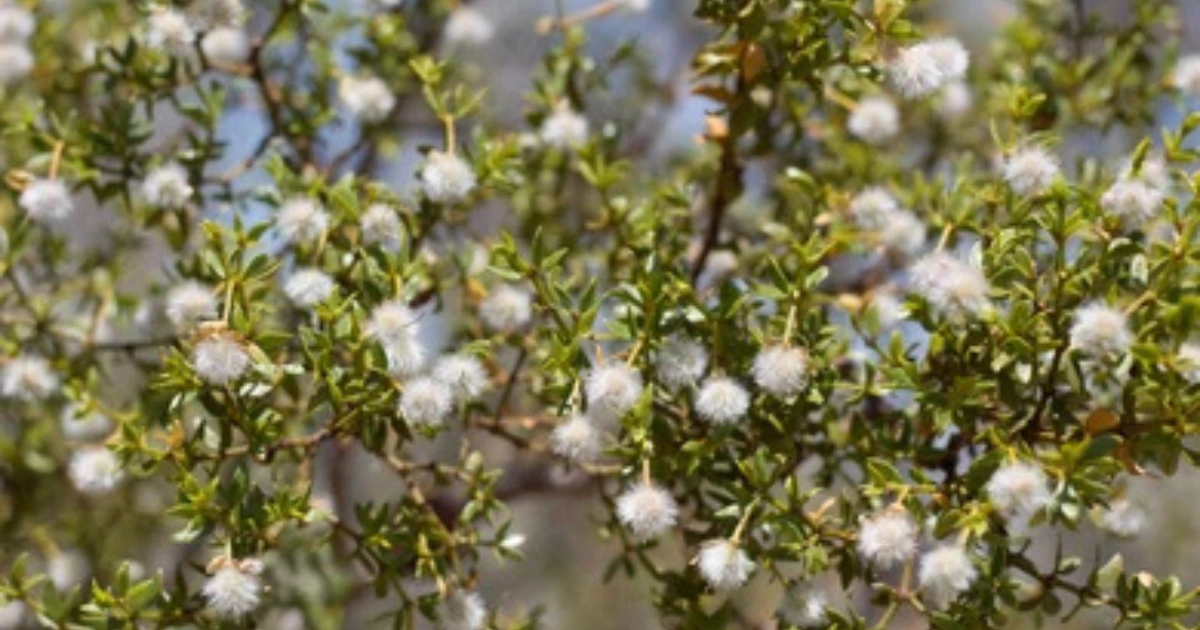
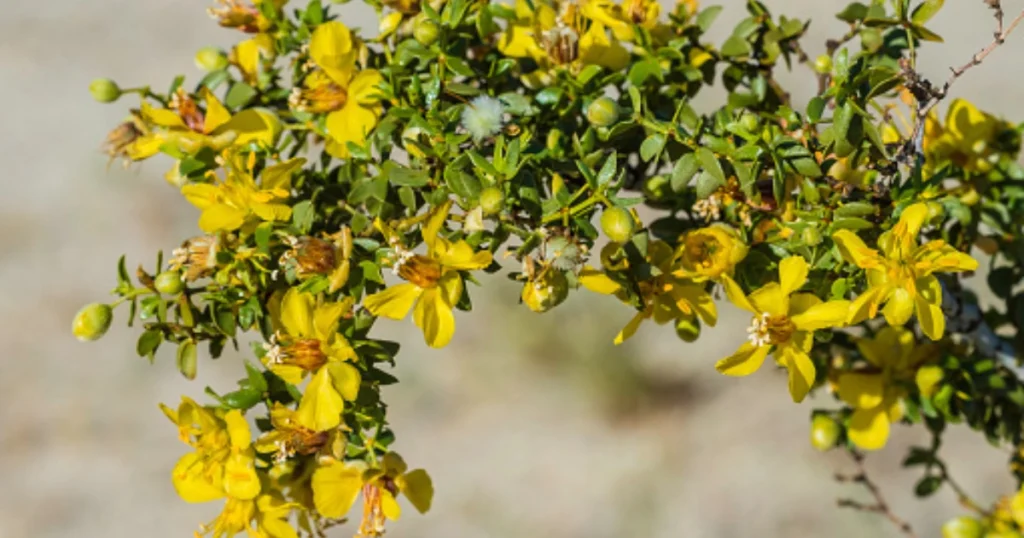
The creosote bush, scientifically known as Larrea tridentata and often called chaparral, is one of the most resilient plants in North American deserts. It thrives in extreme heat, intense sunlight, nutrient-poor soils, and prolonged drought. After rainfall, it releases a distinctive resinous scent that many associate with the smell of the desert itself.
Beyond its environmental toughness, the creosote bush has drawn attention for its powerful chemical defenses. These compounds help the plant survive harsh conditions and have made it an object of scientific interest for antioxidant, antimicrobial, and cellular-protective properties. However, this same potency is the reason the creosote bush must be approached with caution and respect.
Why the Creosote Bush Is So Biologically Powerful
The strength of the creosote bush lies in its complex chemistry. To survive relentless environmental stress, the plant produces a range of protective compounds that guard its tissues against oxidation, microbial attack, and cellular damage.
One compound in particular, nordihydroguaiaretic acid (NDGA), is central to its reputation. NDGA is a highly active antioxidant that plays a major role in both the plant’s survival and its traditional and scientific significance.
Core Properties and Traditional Uses
Antioxidant Strength and Cellular Protection
Creosote bush is exceptionally rich in antioxidant compounds, especially NDGA. Antioxidants help neutralize free radicals, unstable molecules that damage cells, proteins, and DNA.
This antioxidant activity supports:
- Reduction of oxidative stress
- Protection of cellular membranes
- Limitation of damage caused by environmental toxins
Because oxidative stress is associated with aging and many chronic imbalances, antioxidant protection is a major reason this plant attracts scientific attention.
Cellular Regulation and Research Interest
NDGA has been studied for its ability to influence abnormal cellular signaling. Research has examined how this compound interacts with pathways involved in uncontrolled cell growth.
Areas of interest include:
- Interference with abnormal growth signals
- Support of normal cellular regulation
- Protection of healthy cells from oxidative injury
It is critical to understand that these findings come from laboratory and controlled research settings. They do not justify unsupervised internal use of the plant.
Antimicrobial and Antifungal Activity
In desert ecosystems, creosote bush must defend itself against bacteria and fungi that thrive in extreme conditions. The resinous compounds coating its leaves and stems act as a natural antimicrobial shield.
Traditionally, this led to limited external use for:
- Surface cleansing of the skin
- Reducing microbial growth
- Supporting wound hygiene in controlled applications
These uses were external only and carefully managed.
Anti-Inflammatory Effects
By limiting oxidative stress and calming overactive cellular responses, creosote bush compounds may contribute to reduced inflammatory signaling. In traditional contexts, this property was valued for external applications aimed at tissue comfort.
Again, this does not imply internal use without professional oversight.
Environmental Resilience and Immune Burden Reduction
The plant’s antimicrobial and antioxidant activity indirectly supports immune resilience by reducing the biological stress caused by microbes and oxidative damage. This relationship explains why creosote bush was historically seen as a “protector” plant, though not one to be used casually.
Traditional and Controlled External Uses
Important Safety Reminder
Internal use of creosote bush is strongly discouraged without professional supervision. Documented risks include liver and kidney toxicity when improperly used.
External Washes
A very mild, diluted infusion made from the leaves has been used externally for skin cleansing. Proper straining is essential to remove all plant particles.
External Compresses
Cooled infusions were sometimes applied briefly as compresses for surface-level antimicrobial support. These applications were limited in time and frequency.
Resin-Based Preparations
In advanced traditional practices, the resin was incorporated into salves for external use. This requires precise knowledge, careful dilution, and professional-level experience.
Aromatic Observation
Many people appreciate the scent of the creosote bush after rain. Simply observing or smelling the plant without physical application is a safe way to connect with its presence.
Safety and Precautions
Creosote bush is not a beginner plant. Its potency requires serious respect.
Key safety considerations include:
- Internal use can be toxic and has been linked to liver and kidney damage
- Not safe during pregnancy or breastfeeding
- Avoid completely if you have liver or kidney conditions
- External use should always be patch-tested first
- Accurate identification is essential
- Keep away from children and pets
This plant is best regarded as a professional-level botanical rather than a home remedy.
Frequently Asked Questions
Is creosote bush safe to use internally?
Internal use is strongly discouraged without professional supervision due to documented toxicity risks.
Why is creosote bush studied for antioxidant activity?
It contains powerful compounds like NDGA that protect cells from oxidative damage, making it of scientific interest.
Can creosote bush be used on the skin?
External use has traditional precedent, but it must be diluted, limited, and patch-tested to avoid irritation.
Does creosote bush have medicinal approval?
No. It is not approved as a medical treatment and should not replace professional care.
Is chaparral the same as creosote bush?
Chaparral is a common name often used for creosote bush, but it can also refer to a type of ecosystem. Proper identification is critical.
Internal Linking Suggestions
To build topical relevance on secretsofthegreengarden.com, consider linking this article to:
- The Powerful Pioneer Plant That Provokes Strong Reactions and Demands Caution
- The Desert Survivor Plants That Thrive Where Others Fail
- Why Some Medicinal Plants Require Professional-Level Knowledge
External High-Authority Sources
For further research and verification, consider referencing:
- National Institutes of Health (nih.gov) for research on plant compounds and toxicity
- National Center for Complementary and Integrative Health (nccih.nih.gov) for herbal safety guidance
- University desert research programs such as Arizona State University or University of Arizona for desert plant ecology and chemistry
Final Perspective
The creosote bush stands as a symbol of desert survival and biochemical strength. Its ability to preserve cells, resist oxidation, and defend itself against environmental threats has earned it scientific respect and traditional caution.
This is not a casual herb or household remedy. Instead, it is a reminder that some plants carry power that must be understood, studied, and handled responsibly. When approached with knowledge and restraint, the creosote bush teaches an important lesson about balance between natural strength and human safety.
Hello There. I found your blog using msn. This is an extremely well written article. I’ll make sure to bookmark it and come back to read more of your useful info. Thanks for the post. I will certainly return.
I’m extremely impressed with your writing skills as well as with the layout on your weblog. Is this a paid theme or did you modify it yourself? Either way keep up the nice quality writing, it’s rare to see a nice blog like this one these days..
В джунглях ставок, где каждый ресурс пытается заманить гарантиями простых джекпотов, рейтинг онлайн казино
превращается как раз той путеводителем, что направляет через заросли рисков. Тем ветеранов плюс начинающих, которые устал от фальшивых посулов, это помощник, чтобы ощутить подлинную rtp, словно ощущение ценной фишки у руке. Обходя ненужной ерунды, просто проверенные клубы, там отдача не лишь цифра, но реальная удача.Составлено по гугловых поисков, словно сеть, что захватывает наиболее свежие веяния по рунете. Здесь минуя места про шаблонных фишек, любой момент будто ход в покере, где подвох раскрывается сразу. Игроки понимают: в России манера речи с сарказмом, в котором юмор маскируется как совет, позволяет избежать обмана.В https://www.behance.net/69671ec2 такой список находится будто открытая раздача, подготовленный к раздаче. Зайди, если хочешь ощутить пульс настоящей ставки, без иллюзий да провалов. Тем что знает вес выигрыша, такое словно держать карты на руках, а не смотреть в дисплей.
https://t.me/s/iT_EzCASh
This is really interesting, You’re a very skilled blogger. I’ve joined your feed and look forward to seeking more of your excellent post. Also, I have shared your site in my social networks!
https://t.me/ta_1win/1123
https://t.me/s/russia_casino_1win
https://t.me/s/official_1win_official_1win
https://taptabus.ru/1win
https://t.me/s/portable_1WIN
Wohh exactly what I was searching for, thankyou for posting.
I dugg some of you post as I thought they were handy very beneficial