
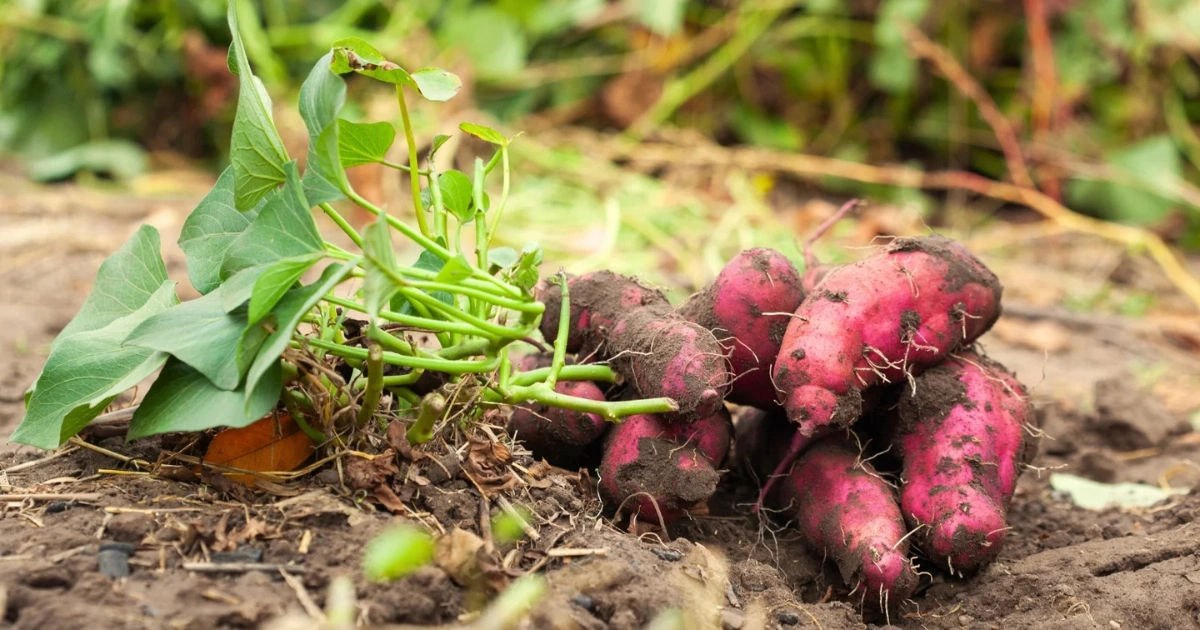
Sweet potatoes are among the most rewarding crops for home gardeners. They are productive, nutritious, and relatively low-maintenance when grown under the right conditions. However, small mistakes made during planting and early growth can significantly reduce yield or result in poor-quality roots.
Understanding the most common sweet potato planting mistakes allows you to avoid setbacks and create the ideal environment for strong vines and well-formed tubers. This guide breaks down the seven most frequent errors gardeners make and explains how to correct them for a healthier, more productive crop.
Primary keyword: sweet potato planting mistakes
1. Overwatering or Poor Drainage
Sweet potatoes are highly sensitive to excess moisture, especially during the early growth stage. One of the most damaging sweet potato planting mistakes is planting in soil that stays wet for long periods.
Waterlogged soil limits oxygen around the roots and encourages rot and fungal disease. Sweet potatoes perform best in soil that drains quickly while still retaining moderate moisture.
To avoid this problem:
- Plant in raised beds or mounded rows if drainage is poor
- Water deeply but infrequently
- Allow the top layer of soil to dry slightly between watering
Consistent moisture is important, but standing water is harmful.
2. Inadequate Soil Preparation
Sweet potatoes develop underground storage roots that need loose, well-structured soil. Planting in compacted, rocky, or heavy clay soil restricts root expansion and leads to misshapen or undersized tubers.
Ideal soil conditions include:
- Loamy texture
- Good aeration
- Soil pH between 5.0 and 6.5
Amending soil with compost or well-rotted organic matter improves structure and drainage. Avoid planting directly into unprepared ground, as poor soil is one of the leading causes of disappointing harvests.
3. Planting Too Late in the Season
Sweet potatoes require a long, warm growing season to fully mature. Planting too late reduces the time roots have to develop, resulting in small or incomplete harvests.
Sweet potatoes should be planted:
- After all danger of frost has passed
- When soil temperatures are consistently warm
- Approximately three to four weeks after the final spring frost
In regions with shorter summers, choosing early-maturing varieties improves success. Late planting is a common mistake that often goes unnoticed until harvest time.
4. Insufficient Sunlight
Sweet potatoes are tropical plants that thrive in heat and sunlight. Planting them in partial shade limits vine growth and reduces energy available for root development.
For optimal results:
- Choose a location that receives at least six to eight hours of direct sunlight daily
- Avoid planting near tall crops or structures that cast shade
Sun exposure directly influences tuber size and overall yield, making this one of the most critical planting considerations.
5. Excessive Nitrogen Fertilization
While fertilization is important, too much nitrogen is counterproductive for sweet potatoes. High-nitrogen fertilizers encourage lush foliage at the expense of root formation.
This imbalance results in:
- Large vines
- Small or poorly developed tubers
Instead of nitrogen-heavy products, use:
- Balanced or low-nitrogen fertilizers
- Compost or aged manure incorporated before planting
Moderate nutrient levels support steady vine growth while allowing energy to be directed toward root development.
6. Allowing Weeds to Compete
Weeds compete with sweet potatoes for water, nutrients, and sunlight. Young sweet potato plants are especially vulnerable during early establishment.
Neglecting weed control can:
- Reduce yield
- Increase pest pressure
- Introduce disease
Effective strategies include:
- Regular hand weeding
- Mulching with straw or organic matter
- Maintaining clean planting rows
Keeping the growing area weed-free during the first several weeks gives sweet potatoes a strong start.
7. Mishandling Sweet Potato Slips
Sweet potatoes are planted using slips, which are sprouts grown from mature tubers. Rough handling during planting is a surprisingly common mistake that affects establishment.
Best practices for planting slips:
- Handle gently to avoid bruising stems
- Plant slips four to five inches deep
- Space plants ten to twelve inches apart
- Keep the top leaves exposed above the soil
Damaged slips may struggle to root properly, leading to uneven growth or plant failure.
How to Create the Ideal Growing Environment
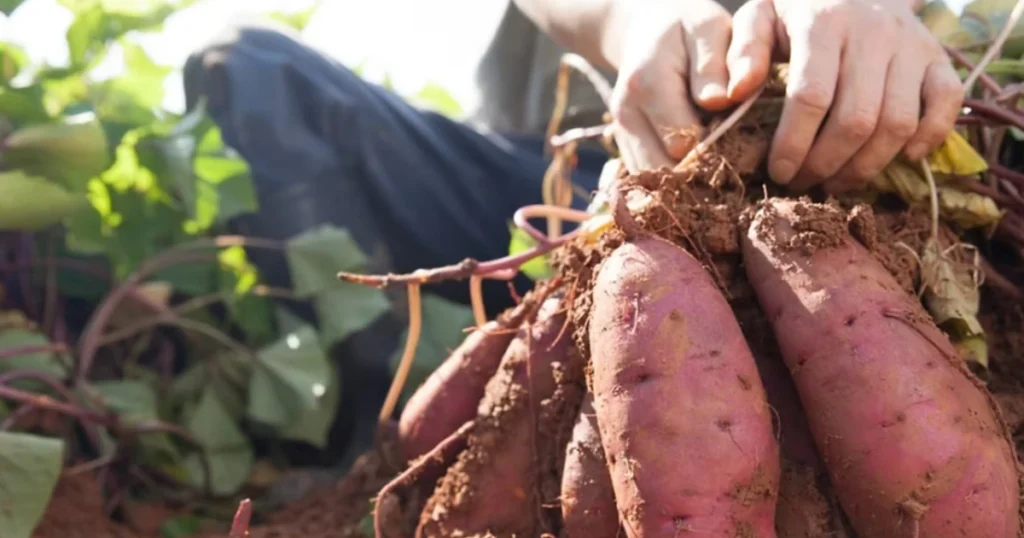
Avoiding sweet potato planting mistakes is only part of the process. Creating optimal conditions from the start improves long-term success.
Key factors include:
- Warm soil temperatures
- Loose, well-amended soil
- Full sun exposure
- Balanced nutrition
- Consistent but controlled watering
Sweet potatoes reward careful preparation with vigorous growth and high yields.
Common Misconceptions About Sweet Potato Planting
Some gardeners assume sweet potatoes grow well under the same conditions as regular potatoes. This misunderstanding leads to poor results.
Unlike regular potatoes, sweet potatoes:
- Require warmer temperatures
- Are more sensitive to excess moisture
- Prefer lighter soil textures
Recognizing these differences helps prevent avoidable errors.
Frequently Asked Questions
When is the best time to plant sweet potatoes
Sweet potatoes should be planted after the last frost, once soil temperatures have warmed sufficiently.
Can sweet potatoes grow in containers
Yes, but containers must be deep and well-draining to allow proper root development.
How often should sweet potatoes be watered
Water deeply but infrequently, allowing soil to partially dry between watering sessions.
Do sweet potatoes need fertilizer
Yes, but low-nitrogen or balanced fertilizers are best to support root growth.
Why are my sweet potatoes small
Common causes include late planting, poor soil, excess nitrogen, or insufficient sunlight.
Internal Linking Suggestions
From secretsofthegreengarden.com, consider linking to:
- How and Why to Build an Underground Greenhouse (Walipini)
- Natural Soil Improvements for Better Vegetable Yields
- Planting Flower Bulbs Using Egg Cartons: A Simple Trench Method
External High-Authority Sources
For further guidance and research:
- United States Department of Agriculture – vegetable production resources
- University extension services on root crop cultivation
- Royal Horticultural Society – sweet potato growing advice
Final Thoughts
Sweet potatoes are forgiving plants, but avoiding common planting mistakes dramatically improves success. From soil preparation and planting timing to sunlight and nutrition, each decision plays a role in the final harvest.
By understanding and correcting these seven sweet potato planting mistakes, gardeners can enjoy stronger vines, healthier roots, and a more abundant yield season after season.
Bộ phận nhân viên luôn hoạt động 24/7, sẵn sàng lắng nghe và giải quyết mọi vấn đề của bạn. Tất cả thông tin do người chơi cung cấp trong quá trình trao đổi đều được mã hóa vì thế, 888SLOT chúng tôi luôn đảm bảo 100% về mức độ bảo mật và xử lý hiệu quả trong thời gian ngắn. TONY03-11O