
A small wildlife pond is one of the simplest and most effective ways to support nature at home. Even in a modest garden, a compact pond can provide water, shelter, and safe access for birds, insects, amphibians, and other beneficial wildlife. With minimal materials and effort, you can create a feature that improves biodiversity and enhances the garden environment year-round.
This guide explains how to build a small wildlife pond step by step and why it makes such a meaningful difference.

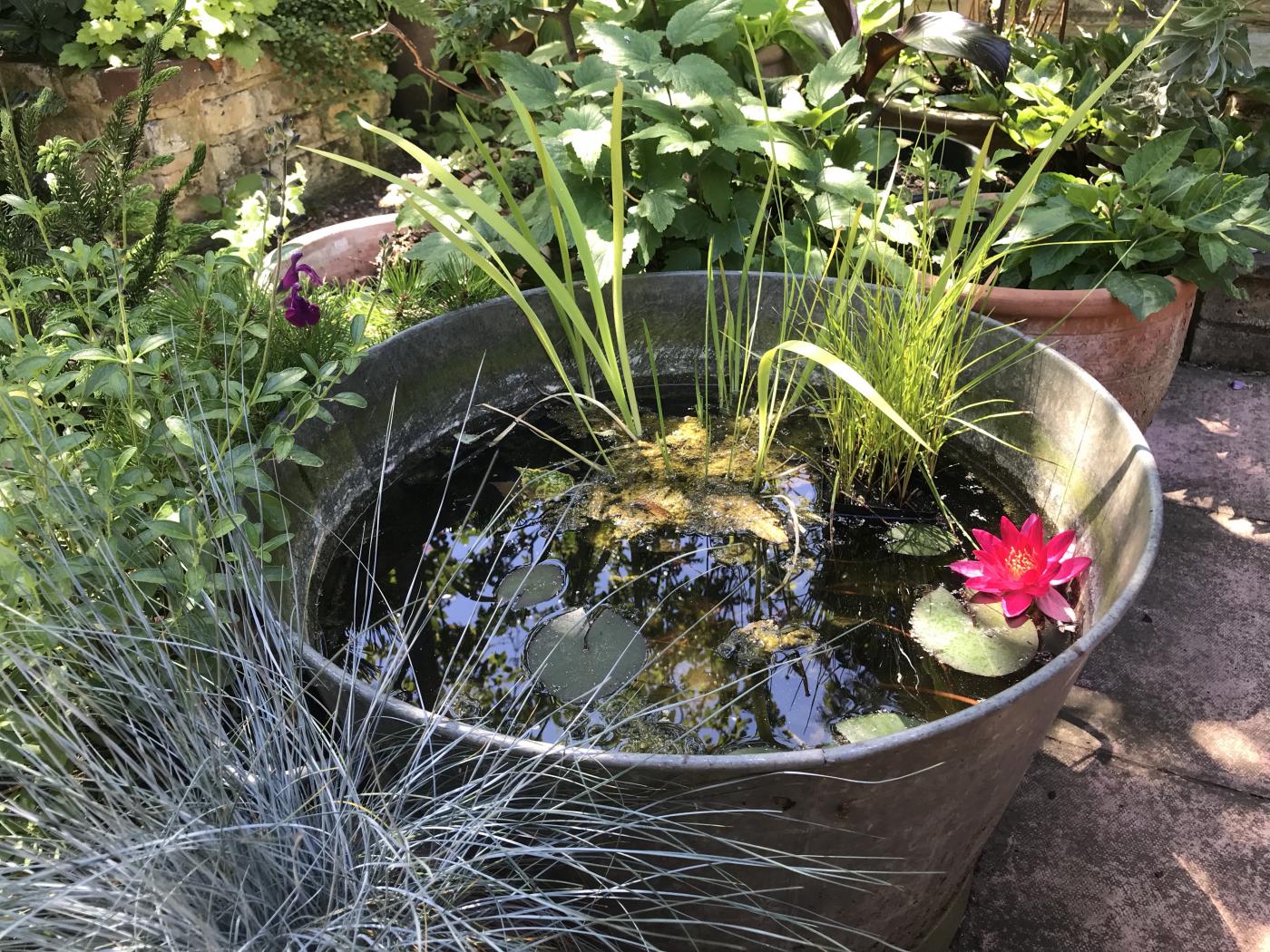

4
Why Build a Small Wildlife Pond?
Wildlife ponds act as vital resources, especially in areas where natural water sources are scarce. Even shallow water helps animals drink, cool down, and reproduce. Over time, a pond can become a miniature ecosystem that supports a wide range of species.
Key benefits include:
- Providing a reliable water source for wildlife
- Creating habitat for insects, frogs, and beneficial invertebrates
- Attracting birds for drinking and bathing
- Improving the garden microclimate
- Supporting natural pest control
Step-by-Step Guide to Building a Wildlife Pond
1. Dig the Hole
Start by choosing a quiet, partially sunny spot. Dig a round or slightly oval hole sized to fit your chosen container. Make sure the base is level so the pond will sit evenly and remain stable over time.
A shallow edge is important, as it allows small animals to enter and exit safely.
2. Prepare the Base
Add a thin layer of sand to the bottom of the hole. This helps stabilize the container and prevents pressure points that could cause cracking or tilting.
Check the level again before moving to the next step.
3. Install the Container
Place the container into the hole and adjust it until the rim is flush with the surrounding ground. This natural ground-level edge makes the pond more accessible for wildlife and blends it into the garden landscape.
Avoid raised edges, which can prevent animals from reaching the water.
4. Secure the Edges with Stones
Arrange stones, pebbles, or gravel around the edges of the pond. These materials:
- Hold the container firmly in place
- Create natural-looking transitions
- Provide safe entry and exit points for wildlife
Include at least one gently sloping side to help insects and amphibians climb out easily.
5. Fill with Water
Fill the pond slowly to avoid disturbing the base. Rainwater is ideal, as it is free from chemicals often found in tap water and is more suitable for wildlife.
If rainwater is not available, let tap water stand for 24 hours before use.
6. Add Minimal Planting
A few carefully chosen plants can improve pond health without overwhelming it. Use a small number of pond or marginal plants to provide:
- Shade to reduce overheating
- Oxygen for water balance
- Shelter for insects and amphibians
Avoid adding fish, as they can disturb wildlife and reduce biodiversity in small ponds.
Maintaining a Wildlife Pond
A small wildlife pond requires very little maintenance if designed correctly.
Basic care includes:
- Topping up water during dry periods
- Removing excess leaves in autumn
- Avoiding chemicals or treatments
- Letting nature establish its own balance
Over time, algae and insects will regulate themselves naturally.
The Impact of a Small Pond
Despite its size, a wildlife pond can have a surprisingly large ecological impact. It becomes a focal point for life in the garden, supporting pollinators, birds, and amphibians while enhancing the overall health of the space.
A simple pond:
- Encourages biodiversity
- Creates a calmer garden atmosphere
- Connects your garden to the wider ecosystem
I have recently started a website, the information you provide on this website has helped me greatly. Thank you for all of your time & work.
I believe this website has some real fantastic info for everyone :D. “Nothing great was ever achieved without enthusiasm.” by Ralph Waldo Emerson.
You really make it appear so easy together with your presentation but I in finding this matter to be really one thing that I feel I would never understand. It seems too complex and very vast for me. I am having a look ahead on your next submit, I will attempt to get the hang of it!
**mitolyn reviews**
Mitolyn is a carefully developed, plant-based formula created to help support metabolic efficiency and encourage healthy, lasting weight management.
casino 188v khẳng định đẳng cấp quốc tế thông qua chính sách bảo mật đa tầng, ngăn chặn tuyệt đối mọi hành vi xâm nhập trái phép. TONY02-03H
Very nice post. I just stumbled upon your weblog and wanted to say that I’ve truly enjoyed browsing your blog posts. After all I will be subscribing to your feed and I hope you write again soon!