
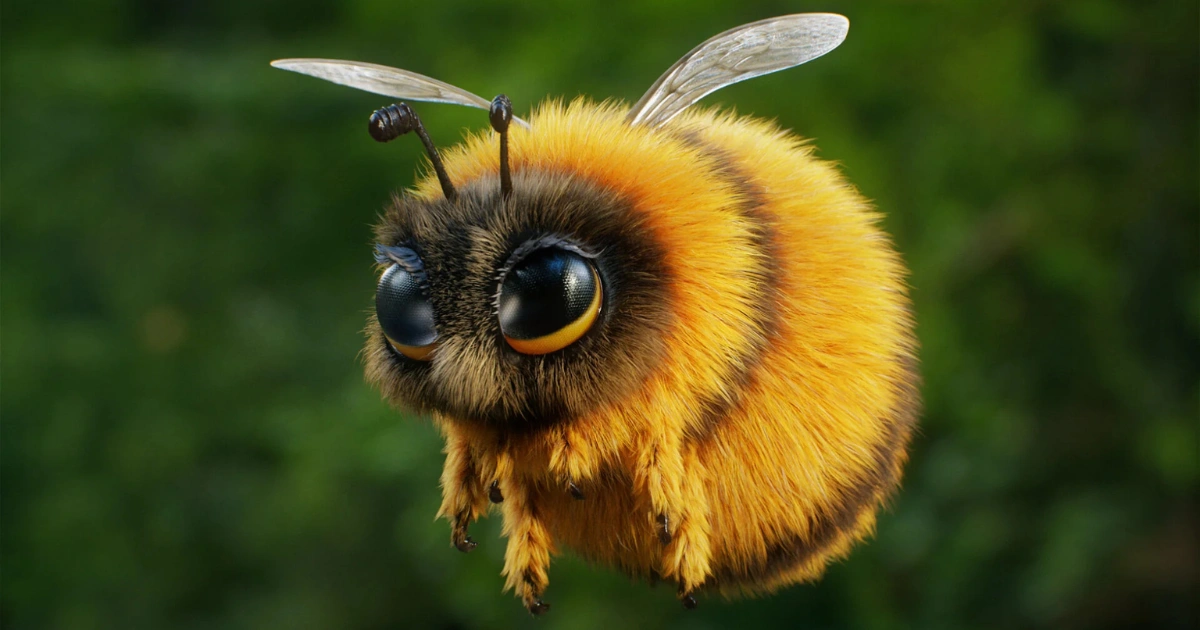
Bees may be small, but they play a critical role in the food we eat every day. Nearly one third of global food production depends on pollination. Fruits and vegetables such as apples, strawberries, squash, cucumbers, and many others rely on bees to grow and produce healthy harvests.
Unfortunately, bee populations are declining. Widespread pesticide use, loss of wildflowers, and the replacement of natural habitats with perfectly manicured lawns have made it increasingly difficult for bees to survive.
The good news is that even a small garden or outdoor space can make a real difference.
How Your Garden Can Help Bees
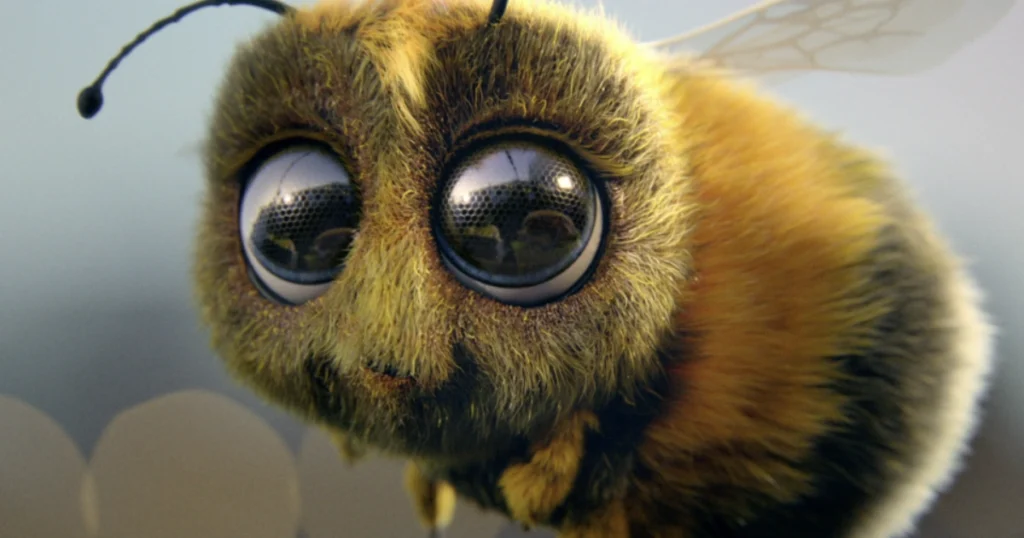
1. Plant bee-friendly flowers
Choose local, nectar-rich plants such as sunflowers, marigolds, clover, and other native flowering species. These provide essential food sources throughout the growing season.
2. Avoid chemical treatments
Pesticides and herbicides can harm bees directly or disrupt their ability to navigate and forage. Opt for natural pest control methods whenever possible.
3. Leave a small wild area
A garden does not need to be perfectly tidy. Leaving a small natural or unmowed corner allows bees to rest, nest, and shelter.
A Common Gardening Misconception
Many people believe that a perfectly trimmed lawn represents a healthy garden. In reality, overly manicured spaces often provide little to no food or habitat for pollinators. What looks neat to us can be an empty landscape for bees.
Why Small Actions Matter
Protecting bees is directly connected to protecting our food supply. Simple changes in how we garden can support pollinators, strengthen ecosystems, and help ensure future harvests.
xn88 – Nền tảng cá cược trực tuyến hàng đầu tại Việt Nam áp dụng chính sách “chơi có trách nhiệm” nghiêm ngặt: cho phép người dùng tự đặt giới hạn cược, thời gian chơi hoặc tạm khóa tài khoản – vì niềm vui chỉ thực sự ý nghĩa khi được kiểm soát. TONY03-11O