
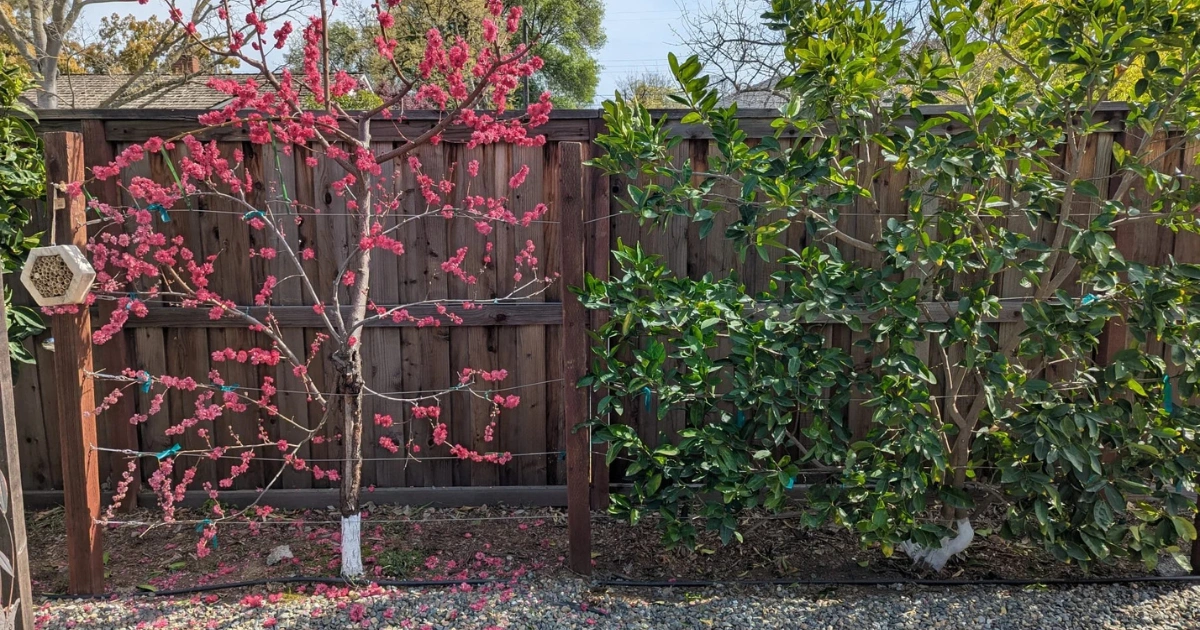
Pruning is one of the most important tasks in maintaining healthy and productive fruit trees. Among gardeners, a long-standing belief suggests that pruning during the waning moon leads to better results. But how much of this is rooted in science, and how should you actually approach pruning for optimal tree health?
This guide explores the concept of pruning fruit trees during the waning moon, separates fact from tradition, and provides practical, research-based techniques you can apply in your garden.
Understanding the Waning Moon and Gardening Traditions
The waning moon refers to the phase when the visible portion of the moon decreases, transitioning from full moon to new moon. In traditional gardening practices, especially in biodynamic agriculture, this phase is believed to influence plant behavior.
The idea behind pruning during this period is that plant sap is thought to move downward toward the roots. As a result, pruning is believed to:
- Reduce excessive regrowth of shoots
- Encourage stronger root systems
- Improve healing of pruning cuts
While these ideas are widely shared among gardeners, scientific evidence supporting lunar gardening remains limited.
What Science Says About Pruning Timing
Modern horticulture focuses less on lunar cycles and more on seasonal timing and plant biology.
Key scientific principles include:
- Trees should be pruned during dormancy (late winter or early spring)
- Active growth periods should be avoided for major pruning
- Weather conditions and tree species matter more than lunar phases
According to research from institutions like the University of California Agriculture and Natural Resources, proper timing based on plant physiology has a much greater impact than lunar phases.
Benefits Often Attributed to Waning Moon Pruning
Even though scientific evidence is limited, many gardeners report consistent results when pruning during the waning moon.
Commonly cited benefits include:
Reduced Sucker Growth
Some gardeners observe fewer unwanted shoots after pruning during this phase, especially in fruit trees like apple or citrus.
Improved Wound Healing
It is believed that lower sap pressure may reduce bleeding from cuts, allowing faster healing.
Better Energy Allocation
The idea is that energy remains concentrated in the roots, supporting long-term stability rather than rapid top growth.
These observations may also be influenced by seasonal timing, climate, and pruning techniques.
Best Practices for Pruning Fruit Trees
Regardless of lunar timing, proper pruning technique is essential.
Choose the Right Season
- Late winter is ideal for most fruit trees
- Avoid pruning during extreme cold or active flowering
Use Clean, Sharp Tools
- Disinfect pruning shears before use
- Make clean cuts to reduce disease risk
Focus on Tree Structure
Remove:
- Dead or diseased branches
- Crossing or rubbing limbs
- Weak or overcrowded growth
Maintain an open canopy to allow sunlight and airflow.
Avoid Over-Pruning
Removing too much growth at once can stress the tree and reduce fruit production.
How to Combine Tradition and Science
If you are interested in lunar gardening, you can combine it with proven horticultural practices.
For example:
- Prune during late winter (scientifically recommended)
- Choose a waning moon phase within that period (traditional approach)
This balanced method allows you to follow tradition without compromising plant health.
Environmental Awareness in Gardening
The image also highlights an important ecological message: the unintended consequences of using toxic substances.
Using poisons to control pests can harm beneficial wildlife, including birds of prey such as owls. These animals help naturally regulate rodent populations.
To maintain a healthy ecosystem:
- Avoid chemical poisons
- Encourage natural predators
- Use environmentally safe pest control methods
A sustainable garden supports both plant life and surrounding wildlife.
Internal Linking Suggestions
To improve site structure and reader engagement, consider linking this article to related content on secretsofthegreengarden.com:
- Complete Guide to Pruning Fruit Trees for Maximum Yield
- Natural Pest Control Methods Without Chemicals
- How to Build a Balanced Garden Ecosystem
These topics provide additional value and complement pruning practices.
External Resources for Reliable Guidance
For science-based pruning advice, consult:
- University of California Agriculture & Natural Resources
https://ucanr.edu - Royal Horticultural Society Pruning Guide
https://www.rhs.org.uk - USDA Plant Health Resources
https://www.usda.gov
These sources offer trusted, research-backed information.
FAQ: Pruning Fruit Trees
Is pruning during the waning moon necessary?
No, it is not required. Proper seasonal timing and technique are far more important for tree health.
When is the best time to prune fruit trees?
Late winter or early spring, when trees are dormant, is generally the best time.
Does pruning affect fruit production?
Yes. Proper pruning improves light exposure and airflow, which can increase fruit quality and yield.
Can I prune in summer?
Light pruning is possible, but heavy pruning during active growth can stress the tree.
What tools should I use?
Use sharp, clean pruning shears, loppers, or saws depending on branch size.
Conclusion
Pruning fruit trees during the waning moon is a traditional practice that continues to interest many gardeners. While scientific evidence does not strongly support lunar influence, combining this tradition with proven horticultural methods can still lead to successful results.
Ultimately, the key to healthy fruit trees lies in proper timing, careful technique, and an understanding of plant biology. By focusing on these fundamentals, you can ensure strong growth, better yields, and a more sustainable garden environment.