
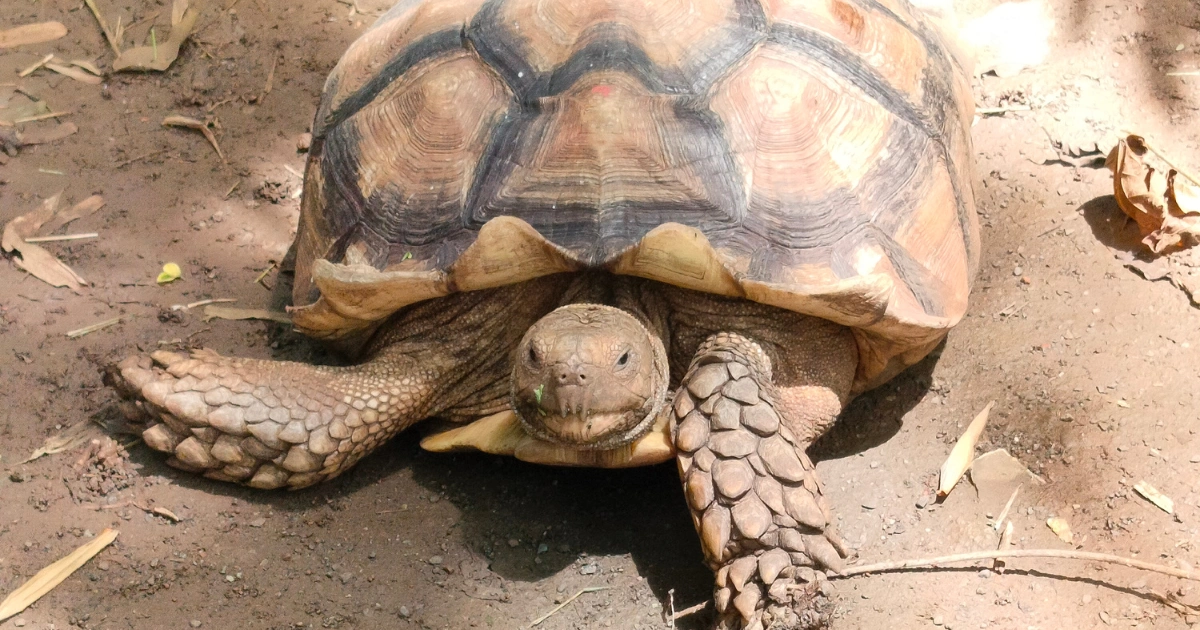
Turtles have been around for millions of years, and their evolutionary history is fascinating. From their earliest ancestors to the turtles we know today, these reptiles have adapted to a variety of environments. In this article, we’ll take a look at some of the most important prehistoric turtle species and how they contributed to the evolution of modern turtles.
Primary keyword: prehistoric turtle species
Related terms used naturally:
ancient turtle species
evolution of turtles
prehistoric turtles
early turtle ancestors
turtle fossil record
1. Eunotosaurus Africanus (260 Million Years Ago)
Description:
Eunotosaurus is considered one of the earliest ancestors of modern turtles. This species lived around 260 million years ago during the Permian period. Unlike modern turtles, Eunotosaurus did not have a fully developed shell, but it shared many characteristics that linked it to later turtle species.
Key Features:
- Early turtle ally with a partially developed shell
- Lived in terrestrial environments
- Had characteristics that would later be seen in true turtles, including a short neck and body structure
Eunotosaurus provides essential insight into how turtles began to adapt to their environment and evolve into the creatures we recognize today.
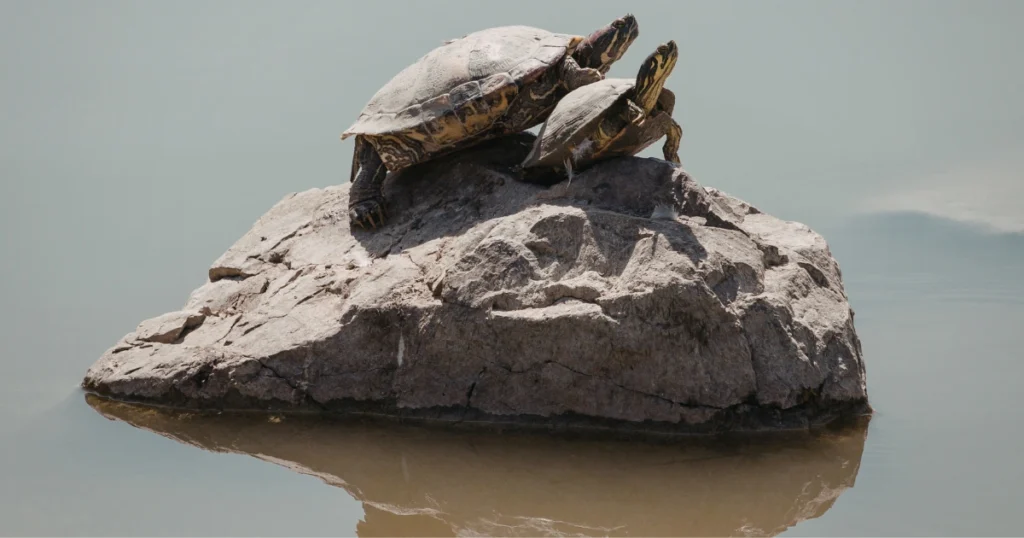
2. Pappochelys Rosinae (240 Million Years Ago)
Description:
Pappochelys is another important species in the evolution of turtles, living about 240 million years ago during the Triassic period. This species is often considered a stem-turtle because it represents a transitional form between earlier reptiles and the true turtles that would come later.
Key Features:
- Had a more developed shell than Eunotosaurus
- Still had a flexible body, but the early stages of a protective shell were present
- Lived in semi-aquatic environments, suggesting the beginnings of aquatic adaptation
Pappochelys shows us the early stages of shell development and how turtles began to evolve their unique body shape for protection.
3. Odontochelys Semitestacea (220 Million Years Ago)
Description:
Odontochelys, meaning “tooth turtle,” lived about 220 million years ago during the Triassic period. It is recognized as the first true turtle with a fully formed shell. This species marks a significant step in the evolution of turtles and shows how the turtle’s distinctive shell began to fully develop.
Key Features:
- Had a fully developed shell, but it was still mostly made of a soft material
- Had teeth, unlike modern turtles which have beaks
- Represents the first true turtle that possessed both a shell and a more developed body structure
Odontochelys is crucial in understanding how the turtle’s hard shell evolved as a protective feature, which would later become a defining trait of all turtles.
4. Proganochelys (210 Million Years Ago)
Description:
Proganochelys lived about 210 million years ago, during the Triassic period. This species represents one of the earliest examples of a true turtle with a fully developed shell and the features we associate with modern turtles.
Key Features:
- Fully developed shell, including a hard carapace (top shell) and plastron (bottom shell)
- Considered one of the first true turtles that resemble the species we know today
- Lived in semi-aquatic environments and had a diet of plants and small animals
Proganochelys is a critical species for understanding the early evolution of modern turtles. Its anatomy closely mirrors the structure seen in contemporary species.
5. Mutelania (170 Million Years Ago)
Description:
Mutelania is one of the most recent species in this lineage, living around 170 million years ago during the Jurassic period. This species is considered a basal turtle, meaning it represents an early form of the modern turtle, with distinct features that show the further evolution of the turtle shell.
Key Features:
- A fully developed shell and more refined features compared to earlier species
- Shows evidence of being well adapted to both land and aquatic environments
- Lived during a time when turtles were beginning to diversify into the species we recognize today
Mutelania offers a snapshot of how turtles continued to adapt and evolve as they moved into the Jurassic period, eventually leading to the wide variety of species we have today.
FAQ About Prehistoric Turtle Species
How did prehistoric turtles evolve?
Prehistoric turtles evolved from early reptile ancestors that began developing a protective shell. Over millions of years, turtles adapted to various environments, with species evolving from terrestrial to aquatic habitats.
Are there any turtles from the age of dinosaurs still alive?
While many of the ancient turtle species went extinct, modern turtles are descendants of these prehistoric species. Some turtle species, like the alligator snapping turtle, are considered “living fossils” due to their resemblance to ancient forms.
How big were ancient turtles compared to modern ones?
Ancient turtles were often smaller than modern species. However, some prehistoric turtles, like the Archelon, were enormous, with some reaching lengths of over 13 feet!
Where can I find fossils of prehistoric turtles?
Prehistoric turtle fossils have been found around the world, especially in regions that were once part of ancient oceans, such as parts of Europe, Asia, and North America.
How does studying prehistoric turtles help us today?
Studying ancient turtles helps scientists understand evolutionary patterns, how turtles adapted to different environments, and how they survived mass extinctions.
Internal Linking Suggestions for secretsofthegreengarden.com
To enhance SEO and create a cohesive content cluster, link this article to:
- How Turtles Adapted to Different Environments
- Understanding the Fossil Record of Reptiles
- The Evolution of Modern Animals
These links will create a well-rounded, informative cluster on evolutionary biology.
Final Thoughts
Prehistoric turtles are fascinating creatures that provide valuable insight into the history of reptiles. From early turtle allies like Eunotosaurus to the true turtles like Odontochelys and Proganochelys, these species show how turtles evolved over millions of years to become the creatures we recognize today. Studying these ancient species not only helps us understand the past but also highlights the incredible adaptability of life on Earth.
https://yakzrobyty.com.ua/ – тут читаю корисні статті по твоїй темі.
Strong Reasons Businesses Prefer Custom Plastic Injection Molding Services
In today’s production environment, selecting a reliable manufacturer can significantly impact quality, timelines, and budget efficiency. high precision plastic injection molding remain a preferred choice because they combine design accuracy and production efficiency. Manufacturers in multiple sectors trust this process when they need consistent plastic components that meet strict requirements every time.
Built for Product-Specific Requirements
All products require distinct performance, strength, and appearance needs. Custom molding enables producers to manufacture parts designed specifically for those needs rather than modifying concepts to match generic tooling. This means stronger functionality, longer lifespan, and refined appearance that matches design intent.
Shorter Production Timelines
Speed matters in modern industries. Once a mold is prepared, production cycles are highly efficient, allowing businesses to create consistent units at scale in a short time. This efficiency helps brands launch products sooner, replenish inventory quickly, and respond to demand.
Consistent Quality Across Every Unit
Consistency is critical, especially for industries that require tight tolerances. Injection molding operates through controlled automation, ensuring that each piece reflects the intended dimensions. This uniformity lowers error rates and boosts dependability.
Budget Advantages Over Time
Although mold development requires an starting expense, the cost per part becomes much lower once production begins. This makes custom plastic injection molding services a smart financial option for both growing businesses and established manufacturers. Efficient material use and automation also contribute to long-term savings.
Wide Range of Material Choices
Different products need different material properties. Injection molding supports numerous plastic resins, allowing manufacturers to select materials based on strength, flexibility, heat resistance, or chemical durability. This versatility ensures each part functions reliably in real use.
Suitable From Testing to Full Production
Custom molding supports the entire product lifecycle. Engineers can start with prototype runs to evaluate fit and performance, then move efficiently into full production once the design is finalized. This eliminates the need to switch manufacturing methods and keeps development efficient from start to finish.
Professional Appearance Without Extra Processing
Parts produced through injection molding often come out of the mold with refined textures and exact edges. Color can be added during material preparation, removing the need for secondary coating. This not only saves time but also ensures a consistent appearance.
A Smart Choice for Scalable Manufacturing
Choosing custom plastic injection molding services is not just manufacturing—it’s a growth strategy. Businesses gain access to precision output, scalable capacity, and reliable standards. Whether producing custom parts or mass quantities, this method provides the consistency and speed needed to grow successfully in modern industries.
Многие годами живут в логике: «главное — с утра выпить чуть-чуть, станет легче». На коротком промежутке времени это действительно частично снимает симптомы, но по сути лишь продлевает запой и усиливает интоксикацию. Организм не успевает переработать продукты распада алкоголя, кровь становится «тяжёлой», нарушается работа сосудов, возрастает нагрузка на сердце и мозг.
Узнать больше – https://kapelnica-ot-zapoya-dolgoprudnyj11.ru/kapelnica-ot-zapoya-na-domu-v-dolgoprudnom
Discover endless fun and excitement at good 4 play, your ultimate destination for entertainment.
This equilibrium fosters deeper fulfillment in professional and personal life.
Play the best games and claim amazing bonuses on Evo888 now!
The platform has gained popularity due to its user-friendly interface and diverse game selection.
Livinia’s collection blends trendy designs with everyday comfort, offering versatile pieces perfect for work or leisure. Stay stylish effortlessly with Livinia. Discover more at https://thelivinia.com.
Hey everyone, I’ve been looking into various licensing options lately and stumbled upon the Tobique option. Anyone here have experience with this licensing jurisdiction?
https://internetgaminglicense.net/ttobique-license-review/ I’ve been reviewing the pros and cojs pretty clodely. The iintial fees are definitely lower than the cost of a Mqlta or license. The wait period is typically quicker from what I understaqnd.
So, seems like a viable alternative for particular categories of businesses. Others have thoughts to share?
зайти на сайт gamesense crack
BRING GREEN’s lineup includes environmentally conscious items such as reusable bags, bamboo utensils, and zero-waste essentials. Make a positive impact with BRING GREEN. Shop now at https://thebringgreen.com.
Whether you are looking for reliable house painting solutions across the LA area, skilled painters deliver premium quality leaving your property perfectly clean and strictly adhering to your schedule tailored to your specific needs.
Page; https://www.pacesconnection.com/blog/the-link-between-walkable-neighborhoods-and-race-citylab-com
Epsion offers a wide range of electronic devices including smart home products, headphones, and chargers designed to enhance your tech lifestyle. Explore their latest gadgets at https://theepsion.com.
CSZZD’s casual apparel line features modern designs and quality fabrics that keep you looking fresh and feeling great all day. Check out their collection at https://thecszzd.com.