
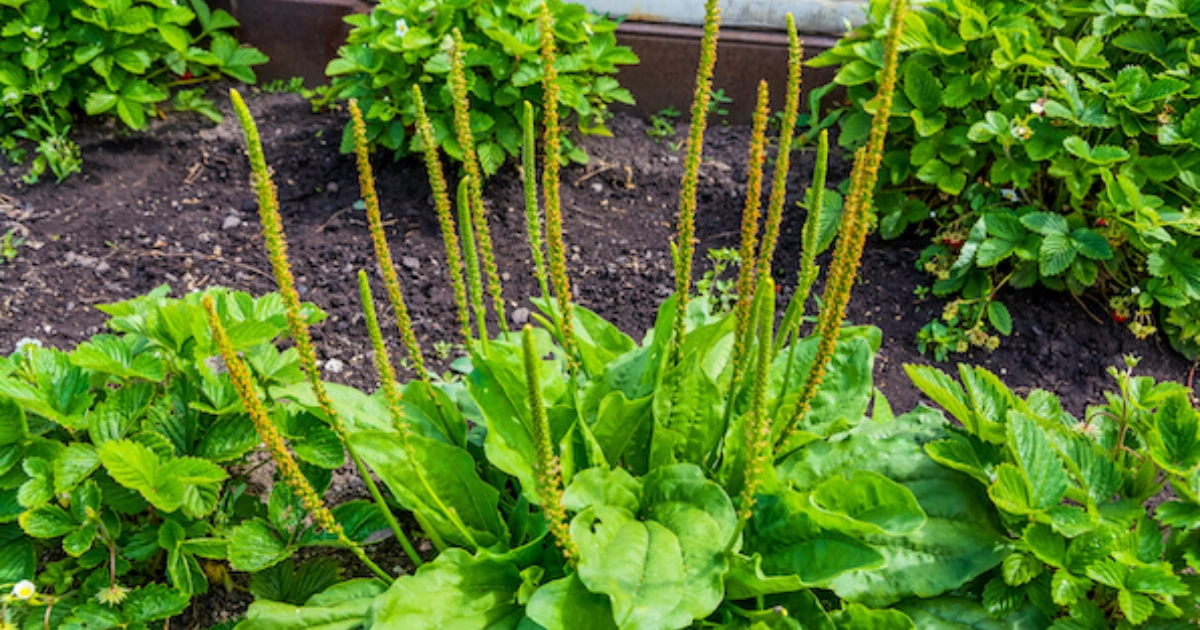
Plantain leaf, scientifically known as Plantago major, is one of the most overlooked medicinal plants found in gardens, lawns, and roadsides worldwide. Often dismissed as a common weed, this hardy plant has been used for centuries in traditional herbal medicine across Europe, Asia, and the Americas.
Today, modern research is beginning to confirm what traditional healers already knew: plantain leaf benefits extend to digestion, skin repair, inflammation control, respiratory support, and more. This article explores how Plantago major works, why it deserves a place in a natural wellness routine, and how to use it safely at home.
Why Plantain Leaf Is More Than a Weed
Plantain leaf thrives in compacted soils and disturbed ground, which is why it appears so frequently in backyards and footpaths. Its resilience mirrors its medicinal strength. The broad, ribbed leaves contain bioactive compounds such as mucilage, flavonoids, tannins, and iridoid glycosides that give the plant its healing properties.
Unlike many medicinal herbs that require careful cultivation, plantain grows abundantly and remains effective even when harvested from modest environments, as long as it is collected from clean, chemical-free areas.
Key Nutritional and Medicinal Components
Plantain leaf benefits are largely attributed to its rich internal profile, which includes:
- Mucilage that soothes irritated tissues
- Tannins that tighten and protect skin and mucous membranes
- Flavonoids with antioxidant activity
- Vitamins A, C, and K
- Minerals such as calcium and iron
- Natural antimicrobial compounds
Together, these components support both internal and external healing.
Ten Proven Benefits of Plantain Leaf
Reduces Inflammation Naturally
Plantain leaf contains anti-inflammatory compounds that help calm swollen tissues, making it useful for joint discomfort, muscle soreness, and internal inflammation affecting the digestive tract.
Supports Wound Healing and Skin Repair
Crushed fresh leaves or plantain-based ointments have traditionally been used on cuts, scrapes, insect bites, and minor burns. The plant promotes tissue regeneration while helping prevent infection.
Protects the Digestive System
The mucilage in plantain leaf forms a soothing coating along the digestive lining. This makes it helpful for gastritis, acid irritation, mild ulcers, and general digestive discomfort.
Eases Cough and Respiratory Congestion
Plantain leaf acts as a natural expectorant. It helps loosen mucus and calm inflamed airways, making it beneficial during colds, bronchitis, and seasonal respiratory irritation.
Offers Natural Antimicrobial Action
Studies have shown that Plantago major exhibits antibacterial, antiviral, and antifungal activity, supporting the body’s defenses against minor infections.
Provides Essential Nutrients
Plantain leaves contain meaningful amounts of vitamins A, C, and K, along with iron and calcium, contributing to immune health, blood function, and bone strength.
Soothes Skin Conditions
When applied topically, plantain leaf can help relieve eczema, acne, psoriasis, rashes, and insect stings by reducing redness and irritation.
Acts as a Mild Natural Analgesic
Plantain leaf has traditionally been used to ease headaches, menstrual cramps, and minor pain without the harsh effects associated with synthetic pain relievers.
Helps Regulate Blood Sugar Levels
Some traditional uses and early studies suggest plantain leaf may assist in stabilizing glucose levels, making it a supportive herb for metabolic balance when used appropriately.
Supports Liver and Kidney Detoxification
Plantain leaf has mild diuretic properties that encourage waste elimination through the kidneys while supporting liver function.
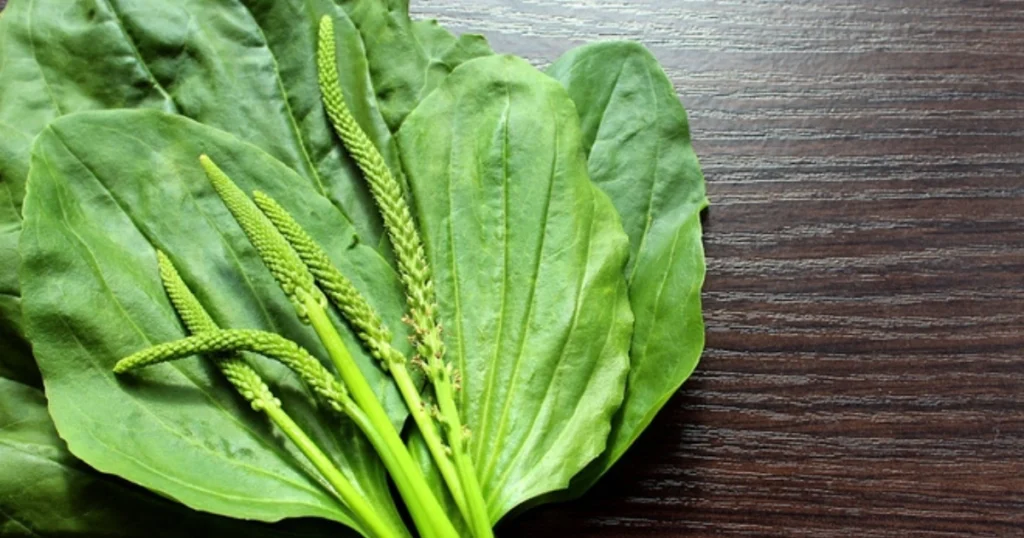
Practical Ways to Use Plantain Leaf at Home
Plantain Leaf Tea
A warm infusion is one of the easiest ways to access plantain leaf benefits.
Preparation:
- Use one to two teaspoons of dried leaves
- Pour boiling water over the leaves
- Steep for 10 to 15 minutes
- Drink up to three times daily
This tea is especially useful for digestion and respiratory comfort.
Healing Plantain Ointment
A homemade ointment can be used for cuts, insect bites, and irritated skin.
Basic method:
- Macerate fresh or dried leaves in olive oil for several weeks
- Strain and gently heat the infused oil
- Add natural beeswax to thicken
- Store in a clean container
Fresh Leaf Poultice
Crushed fresh leaves can be applied directly to the skin.
Instructions:
- Rinse leaves thoroughly
- Crush into a moist paste
- Apply to the affected area
- Cover lightly and leave in place for several hours
Edible Uses in the Kitchen
Young plantain leaves are edible and can be added to salads or cooked like spinach. Older leaves are tougher but still suitable for soups or stews.
Concentrated Plantain Tincture
A tincture provides a more concentrated form of plantain leaf benefits.
General use involves soaking leaves in alcohol for several weeks and consuming only small, diluted doses as needed.
When and How to Harvest Plantain Leaf
For best results, harvest young, vibrant leaves before the plant flowers. Choose locations free from pesticides, heavy traffic, and animal contamination. Wash thoroughly before use.
Safety Considerations and Precautions
Plantain leaf is generally considered safe for most people, but precautions are still important.
- Perform a skin patch test before topical use
- Avoid use if allergic to plants in the Plantaginaceae family
- Consult a healthcare professional if pregnant, breastfeeding, or taking prescription medication
- Do not substitute plantain for medical treatment in serious conditions
Frequently Asked Questions
Is plantain leaf safe for daily use?
When used in moderate amounts, plantain leaf is considered safe for daily use as tea or topical application for most healthy adults.
Can plantain leaf be used for children?
Plantain leaf is often used externally for minor skin issues in children, but internal use should be discussed with a qualified healthcare provider.
Does plantain leaf help with insect bites?
Yes. Fresh plantain leaves are commonly used to relieve itching, swelling, and irritation caused by insect bites.
Can I use dried plantain leaves instead of fresh ones?
Yes. Dried leaves retain many beneficial compounds and are suitable for teas, infusions, and ointments.
Is plantain leaf the same as the banana plant?
No. Plantain leaf (Plantago major) is unrelated to banana or culinary plantain fruits.
Suggested Internal Links from secretsofthegreengarden.com
- Healing Herbs You Can Find Growing Wild in Your Garden
- Natural Remedies for Skin Irritation Using Common Plants
- How to Safely Harvest and Dry Medicinal Herbs at Home
Trusted External Sources for Further Reading
- National Center for Complementary and Integrative Health – Medicinal Plant Research
- Royal Botanic Gardens, Kew – Plantago Species Overview
- University of Maryland Medical Center – Herbal Medicine Safety Guidelines
Final Thoughts
Plantain leaf benefits go far beyond its reputation as a common weed. From wound healing and digestive support to respiratory relief and skin care, Plantago major stands out as one of the most versatile medicinal plants available.
When used responsibly and harvested correctly, this humble plant offers a powerful blend of nutrition, protection, and natural healing that fits seamlessly into everyday wellness practices.
**neuro sharp**
neurosharp is a next-level brain and cognitive support formula created to help you stay clear-headed, improve recall, and maintain steady mental performance throughout the day.
**finessa**
Finessa is a natural supplement made to support healthy digestion, improve metabolism, and help you achieve a flatter belly.