
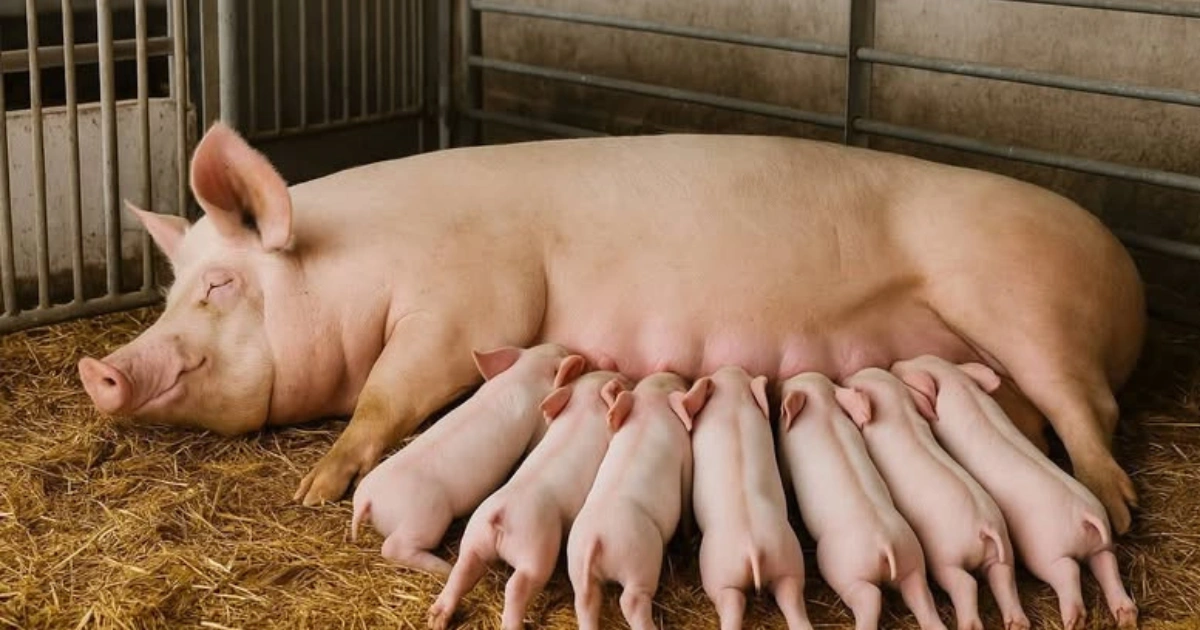
Pig breeding plays an essential role in modern agriculture and sustainable livestock production. Despite its importance, many misconceptions still exist about how reproduction actually occurs in pigs. Understanding the biological process behind pig reproduction helps farmers improve herd management, increase productivity, and ensure animal welfare.
This guide explains the fundamentals of pig breeding, including reproductive anatomy, fertilization, and embryo development.
Primary Keyword
pig breeding
Understanding Pig Breeding
Pig breeding refers to the controlled reproduction of pigs to produce healthy piglets and improve herd genetics. Farmers and livestock producers use breeding programs to select animals with desirable traits such as disease resistance, growth rate, and meat quality.
Successful pig breeding depends on several biological factors, including reproductive anatomy, hormone cycles, fertilization, and proper herd management.
Related terms often associated with pig breeding include:
- swine reproduction
- boar fertility
- sow reproductive system
- pig mating process
- livestock breeding management
- pig reproduction cycle
- embryo development in pigs
- sow pregnancy
Understanding how these components interact is crucial for efficient livestock production.
Boar Reproductive Anatomy
The male pig, known as a boar, has a specialized reproductive system designed to produce and deliver sperm for fertilization. Each component plays a specific role in reproduction.
Key reproductive organs in a boar
- Testicles
These organs produce sperm cells and the hormone testosterone, which regulates male reproductive behavior. - Vas deferens
This duct transports sperm from the testicles to the urethra during ejaculation. - Seminal vesicles
These glands produce fluids that nourish and transport sperm. - Prostate gland
The prostate contributes additional fluid that protects and activates sperm cells.
Together, these organs ensure that sperm are viable and capable of fertilizing the egg.
More information about swine reproductive biology can be found through research from institutions such as the
University of Minnesota Extension: https://extension.umn.edu/pigs-and-pork/pig-reproduction
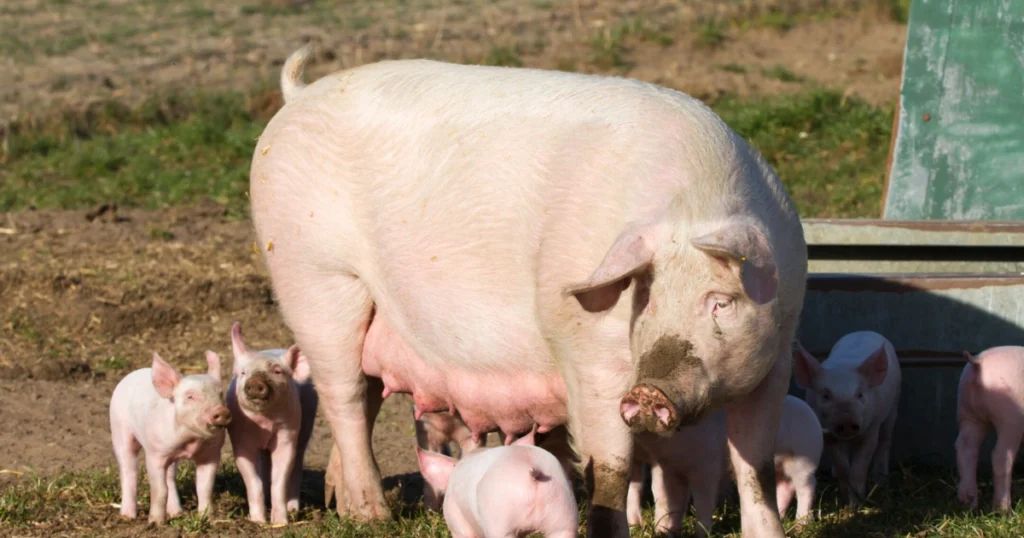
Sow Reproductive Anatomy
The female pig, known as a sow, has a reproductive system designed to support fertilization, pregnancy, and fetal development.
Main components of the sow reproductive system
- Ovaries
The ovaries produce eggs and release them during ovulation. - Uterus
This is where fertilized eggs implant and embryos develop into piglets. - Cervix
The cervix connects the uterus to the vagina and plays an important role in protecting the reproductive tract. - Vagina
This structure receives sperm during mating and acts as the birth canal during farrowing.
The structure of the sow’s reproductive tract allows multiple embryos to develop simultaneously, which is why pigs often produce large litters.
For a deeper scientific explanation, the
USDA National Agricultural Library provides valuable research resources:
https://www.nal.usda.gov
The Pig Mating Process
Pig mating usually occurs naturally when a boar mounts a sow during her fertile period. The fertile window is typically known as estrus, or heat.
During estrus:
- The sow becomes receptive to mating.
- Ovulation occurs.
- Eggs are released from the ovaries.
Farmers often monitor behavioral and physical signs of estrus to determine the best breeding time.
Signs of estrus in pigs
- Swollen vulva
- Increased vocalization
- Standing reflex when pressure is applied to the back
- Increased interest in boars
Accurate estrus detection significantly improves fertilization success.
Sperm Path and Fertilization
Once mating occurs, semen is deposited into the sow’s reproductive tract. The sperm then begin a journey toward the egg.
Steps in the fertilization process
- Semen deposition
During mating, semen is released into the reproductive tract. - Sperm movement
Sperm travel through the vagina and cervix toward the uterus. - Migration to the oviducts
Sperm continue toward the fallopian tubes where eggs are located. - Fertilization
When sperm meet an egg, one sperm penetrates the egg cell, creating a fertilized embryo. - Embryo development
The embryo travels to the uterus where it implants and begins developing into a piglet.
According to research from
Iowa State University Extension: https://www.extension.iastate.edu
fertilization in pigs typically occurs within hours after ovulation.
Embryo Development in Pigs
After fertilization, embryos develop rapidly. Pigs have a relatively short gestation period compared to many livestock species.
Key stages of pig pregnancy
- Early embryo stage – embryos implant in the uterine lining
- Fetal development – organs and body structures begin forming
- Growth phase – piglets grow rapidly before birth
The average gestation length for pigs is about 114 days, commonly remembered by farmers as:
3 months, 3 weeks, and 3 days.
During this period, proper nutrition and health care are essential to ensure healthy piglets.
Common Misconceptions About Pig Breeding
Many misunderstandings about pig reproduction come from simplified explanations or inaccurate diagrams.
Misconception 1: Fertilization happens immediately during mating
In reality, fertilization occurs later when sperm reach the egg in the oviduct.
Misconception 2: Only one egg is fertilized
Sows release multiple eggs during ovulation, which is why pigs produce litters rather than single offspring.
Misconception 3: Pig reproduction is random
Successful pig breeding relies on precise timing, hormonal cycles, and careful herd management.
Understanding the biological process allows farmers to improve fertility rates and piglet survival.
Best Practices for Successful Pig Breeding
Farmers who manage breeding programs effectively often follow these guidelines:
- Monitor estrus cycles carefully
- Maintain healthy nutrition for sows and boars
- Select breeding animals with strong genetics
- Ensure proper housing and stress reduction
- Work with veterinarians to monitor herd health
Proper breeding management can dramatically improve productivity and animal welfare.
Internal Linking Suggestions
To strengthen topical authority on secretsofthegreengarden.com, consider linking to related articles such as:
- How to Raise Chickens for Eggs in Your Backyard
- Natural Ways to Improve Soil Fertility in Your Garden
- Beginner’s Guide to Sustainable Backyard Farming
These topics align well with livestock care and small-scale farming.
FAQ About Pig Breeding
How old must pigs be before breeding?
Most pigs reach sexual maturity between 5 and 8 months of age. However, farmers typically wait until sows are physically mature before breeding to ensure healthy pregnancies.
How many piglets can a sow have?
A sow usually gives birth to 8–14 piglets per litter, though larger litters are possible depending on genetics and management.
How long are pigs pregnant?
The gestation period for pigs averages 114 days, often summarized as three months, three weeks, and three days.
Can pigs be bred naturally or artificially?
Both methods are common. Many farms use artificial insemination to improve genetics and control breeding schedules.
How often can a sow breed?
A sow can produce two litters per year under good management conditions.
Conclusion
Pig breeding is a complex biological process involving specialized reproductive anatomy, precise hormonal cycles, and careful herd management. Understanding how fertilization occurs, how embryos develop, and how breeding cycles work allows farmers to improve productivity and animal health.
By combining scientific knowledge with responsible livestock practices, pig producers can build sustainable and efficient breeding systems that support both food production and animal welfare.